As temperatures drop and crisp autumn weather settles in, home shoppers across Canada and North America are touring properties with cozy living rooms and glowing fireplaces in mind. But while quartz countertops and refinished hardwood floors catch your eye, one of the most critical components of the entire property sits quietly in the basement: the furnace.
Replacing a home heating system is one of the most expensive unexpected repairs a homebuyer can face. Here is a breakdown of what a fall furnace inspection costs, why a standard home inspection may not provide a complete assessment of your heating system, and how a specialized HVAC assessment can help you identify costly issues before closing.
Because Canadian winters can bring prolonged periods of freezing temperatures, a properly functioning heating system is essential for home comfort and safety. Natural Resources Canada recommends maintaining heating and cooling equipment to support safe, reliable, and efficient operation.
How Much Does a Fall Furnace Inspection Cost?
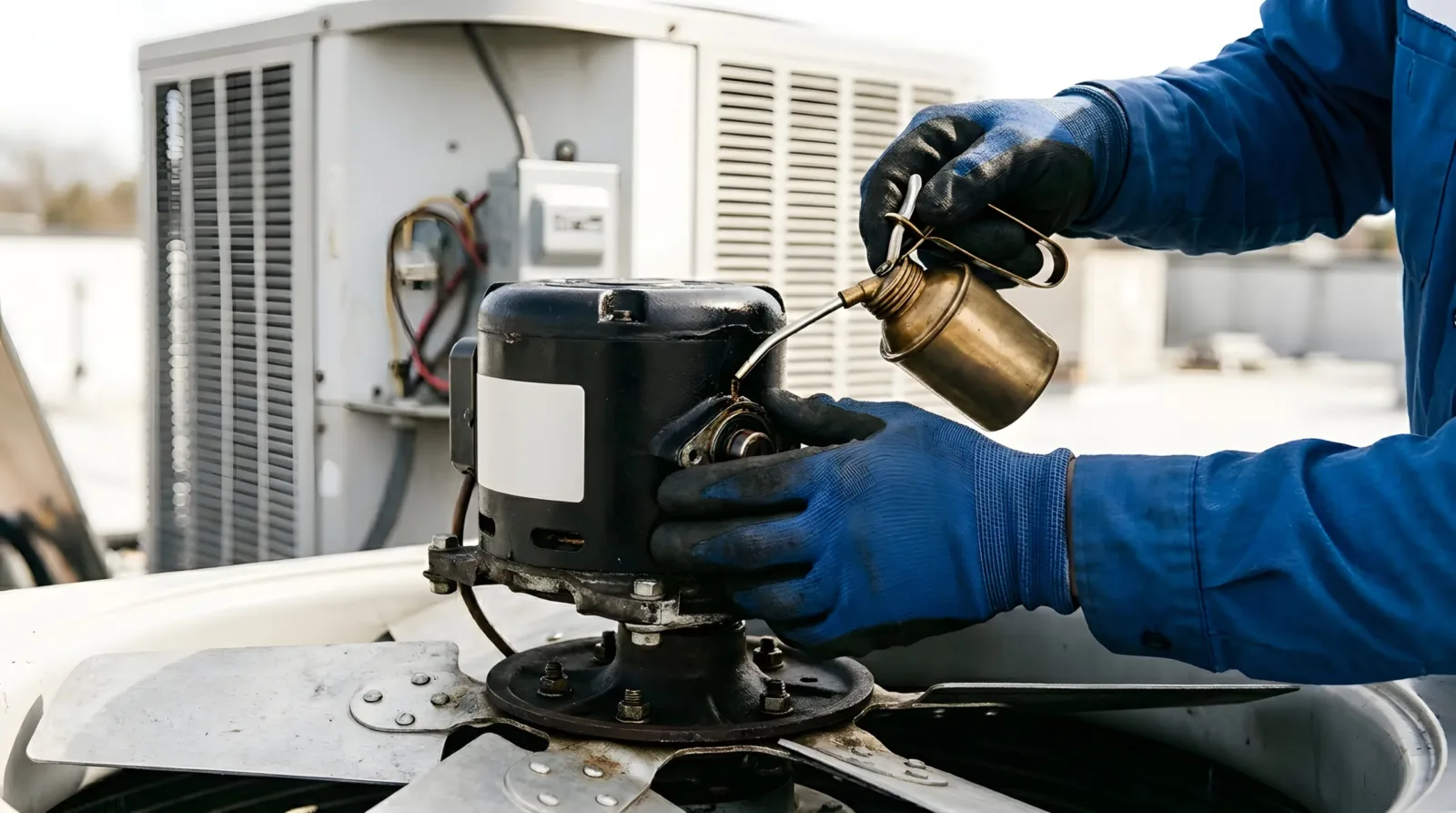
A professional furnace inspection or tune-up may cost between $100-$300, depending on your location, furnace type, and the services included. These figures are general budgeting estimates rather than a verified national average, so homebuyers should request local quotes and confirm what each service covers.
Prices and service descriptions vary by contractor, and diagnostic testing, cleaning, or repairs may cost extra. Ask whether the quote includes applicable taxes, combustion testing, and a written report before booking.
A furnace inspection is different from a repair or replacement. If a technician identifies a significant problem, request a separate estimate before authorizing additional work.
4 Reasons Every Homebuyer Should Ask for a Fall Furnace Inspection
1. Identifying Heat Exchanger Problems
The heat exchanger separates combustion gases from the air circulated through your home. Over time, corrosion, wear, or thermal stress can damage this component.
A damaged heat exchanger can allow combustion gases to enter areas where they should not be present, creating a potential safety hazard. A qualified HVAC technician can assess suspected damage and recommend appropriate repairs or replacement based on the equipment’s condition.
Natural Resources Canada recommends checking the heat exchanger, burner combustion, and fuel connections as part of heating-system maintenance. Depending on the equipment and suspected problem, a technician may use specialized diagnostic tools to investigate issues that a visual assessment cannot fully establish.
2. Gaining Leverage in Real Estate Negotiations
If a specialized HVAC inspection reveals that an older furnace needs significant repairs or is approaching the end of its service life, you can use the findings to inform your purchase decision.
Furnace age alone does not determine whether a system needs replacing. Buyers should also consider its condition, maintenance history, repair costs, and expected remaining service life.
Depending on the purchase agreement and the seller’s willingness to negotiate, you could request that the seller:
- Repair or replace the furnace before closing.
- Offer a price reduction or credit to help cover anticipated repair or replacement costs, where permitted by the agreement.
- Provide documentation of completed repairs or servicing.
These outcomes are not guaranteed. Your options depend on the terms of your offer, applicable conditions and deadlines, and the seller’s agreement. Discuss the inspection findings with your real estate agent before deciding how to proceed.
3. Improving Energy Efficiency and Managing Winter Bills
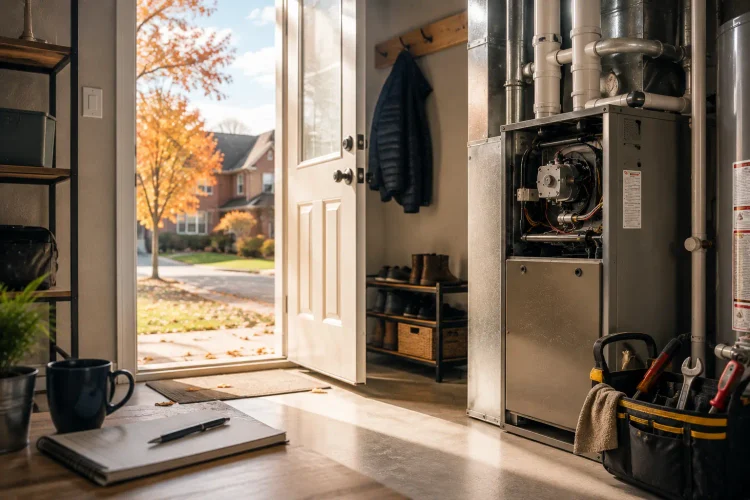
An unmaintained furnace may use more energy than necessary if dirty filters, restricted airflow, or other maintenance issues affect its operation.
Dirty filters can increase energy costs and potentially damage heating equipment, according to Natural Resources Canada. Professional maintenance can help identify problems affecting system performance, although an inspection cannot guarantee a specific reduction in utility bills.
Buyers should also consider the furnace’s age, condition, and efficiency rating when estimating future operating costs. If replacement is likely, obtain multiple quotes and compare appropriately sized systems rather than choosing a new furnace based on price alone.
4. Reducing the Risk of First-Winter Emergencies
There is nothing worse than moving into a new home in November or December, only for the heat to quit on a freezing night. Emergency heating service calls during peak winter periods may also involve inconvenient scheduling and additional charges.
A pre-season inspection can help identify worn components, ventilation problems, and other issues before the furnace faces regular winter use. However, even a well-maintained system can fail unexpectedly, so an inspection reduces risk rather than eliminating it.
Health Canada warns that improperly maintained or vented fuel-burning appliances can release carbon monoxide, an odorless and colourless gas that can cause serious illness or death. Homebuyers should confirm that working carbon monoxide alarms are installed in appropriate locations and that fuel-burning appliances receive appropriate professional maintenance.
Why a Standard Home Inspection May Not Be Enough
A general home inspection and a specialized furnace inspection serve different purposes. A general inspection typically involves a visual assessment of accessible components and the operation of major home systems, while a specialized HVAC assessment can investigate particular concerns with heating equipment.
A home inspector may identify visible damage, signs of poor maintenance, or concerns with the furnace’s operation. However, the scope of a general inspection may not include specialized diagnostic testing to investigate an internal mechanical issue or assess combustion performance in detail.
If the furnace is older, has an incomplete service history, shows visible signs of damage, or raises concerns during the general inspection, ask whether a dedicated HVAC assessment would be worthwhile. Confirm the scope of both inspections so you understand which components and tests each professional will cover.
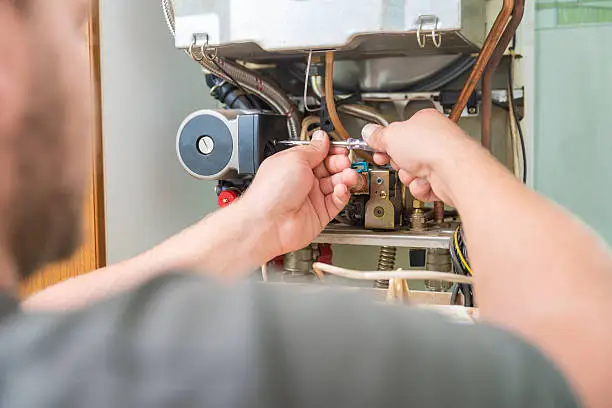
How Homebuyers Can Request a Furnace Inspection
- 1. Check your inspection conditions. Work with your real estate agent to determine whether your offer allows specialized trade inspections, including an HVAC assessment, alongside the general home inspection. Confirm the applicable deadlines and any requirements for notifying the seller.
- 2. Book the assessment early. Autumn is a practical time to schedule heating maintenance before colder weather increases demand. If you are buying a property, coordinate the appointment with your agent and the seller so the assessment fits within your contractual timelines.
- 3. Request maintenance records. Ask the seller for furnace installation details, service receipts, repair invoices, and any available warranty information. These records can help establish the system’s age, identify recurring issues, and show whether the previous owner followed the manufacturer’s maintenance recommendations.
- 4. Ask for a written report. Request documentation of the technician’s findings, recommended repairs, and any safety concerns. If the technician identifies a significant defect, ask for a written repair or replacement estimate so you can evaluate the potential cost before finalizing the purchase.
- 5. Follow up on safety concerns. If the technician identifies a potential carbon monoxide leak or another immediate hazard, follow their safety instructions and do not operate the affected equipment until it has been assessed and made safe by a qualified professional. If a carbon monoxide alarm sounds or you suspect an active leak, leave the building and contact emergency services from outside.
Why A Furnace Inspection Is Worth It
While a few hundred dollars might feel like an extra expense during an already costly home purchase, a fall furnace inspection can help you make a more informed decision about a property’s condition and future maintenance costs. Catching potential heating issues before closing gives you an opportunity to address concerns before winter arrives.
Looking for a home that fits your lifestyle? Explore homes for sale on Zoocasa and find a property that fits your needs. Reach out today.