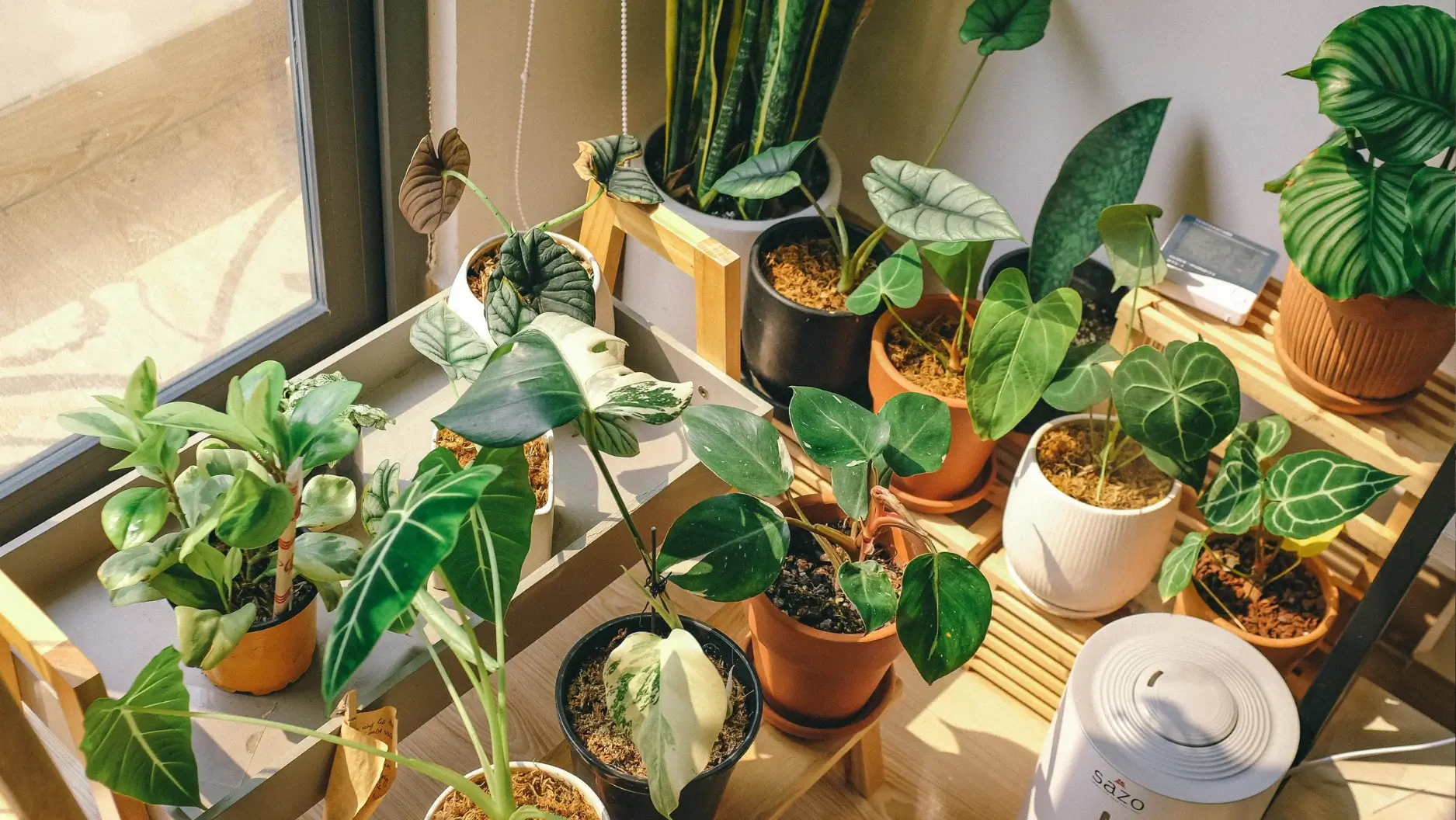
Learning how to grow flowers indoors is a simple way to bring colour, life and a little springtime energy into your home, even when frost covers the windows and snow is on the ground. As outdoor gardens begin to fade in fall, you can keep enjoying fresh blooms by creating a small indoor garden of your own.
You don’t need a greenhouse, a big backyard or years of gardening experience to make it happen. With the right flowers, enough light and a few simple care habits, you can create a colourful windowsill or plant display that brightens your home all winter.
Fall is the perfect time to start planning your indoor garden. From choosing flowers that thrive inside to getting watering and lighting right, here’s a step-by-step guide to help you grow flowers indoors and enjoy a little colour long after summer ends.
1. Choose Flowers That Thrive Indoors
Not every flower is suited to life inside. Some need hours of direct sunlight, while others prefer softer light and steady temperatures. If you’re new to indoor gardening, start with varieties that are known to grow well in homes. Here are four flowers worth considering:
African violets
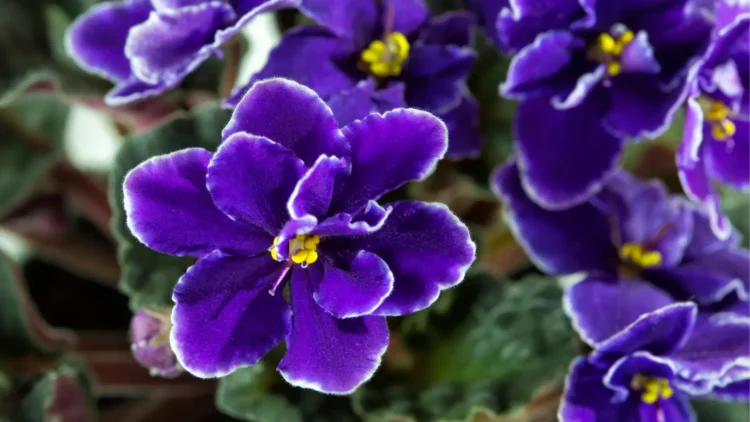
Small but colourful, African violets are an excellent choice for beginners. Their blooms come in shades of purple, pink, white and blue, and they can flower throughout the year when their growing conditions are right.
These plants prefer bright, indirect light and soil that stays evenly moist without becoming soggy. Their compact size also makes them ideal for condo windowsills, desks and plant shelves.
According to Iowa State University, African violets can bloom almost continuously with proper lighting, watering and feeding. That means a single plant can offer colour long after your outdoor garden has gone dormant.
Moth orchids

Want something that feels a little more elegant? Moth orchids are known for their graceful stems and long-lasting flowers, making them a beautiful addition to living rooms, bedrooms and bright home offices.
They prefer bright, indirect light and a growing medium that allows air to reach their roots. Unlike many houseplants, orchids generally shouldn’t be planted in ordinary potting soil. A suitable orchid mix, often made with bark, is a better choice.
Light plays an important role in getting orchids to flower, according to Iowa State University. An east-facing window can be a good starting point, although the ideal location depends on your home’s conditions.
Amaryllis
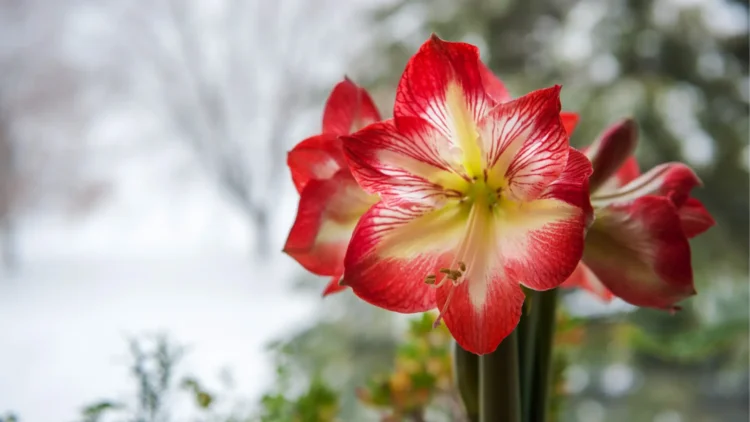
If you’re dreaming of bold flowers during the holiday season, consider amaryllis. These plants grow from large bulbs and produce dramatic blooms in shades of red, pink, white and other colours.
Fall is a good time to shop for bulbs and plan your display. Depending on the variety and growing conditions, amaryllis can produce flowers during winter, making them a popular choice for seasonal decorating.
You can watch the plant grow from a bulb into a flowering display, which makes it a fun project if you enjoy seeing progress over time. The University of Maryland’s amaryllis guide explains how to plant, care for and encourage these bulbs to bloom again.
Cape primrose
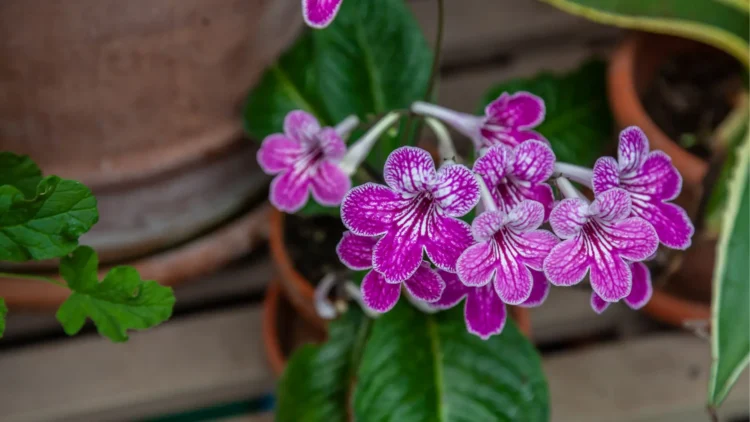
Cape primrose, also known as streptocarpus, is another flowering houseplant worth considering. Its colourful blooms and ability to grow indoors make it a lovely option for anyone looking to expand their collection beyond the usual houseplants.
Cape primrose generally prefers bright, indirect light and should be protected from harsh direct sunlight. It’s a good option for a bright room where you want flowers without dedicating an entire windowsill to a larger plant.
The University of Vermont recommends cape primrose alongside African violets and moth orchids for indoor winter gardening.
2. Find the Right Spot for Your Indoor Garden
Light is one of the most important parts of learning how to grow flowers indoors. During fall and winter, daylight hours shrink, and sunlight entering your home may not be enough for some flowering plants.
Start by looking for a bright windowsill or a spot near a window that matches your plant’s needs. East-facing windows often provide gentler morning light, while south-facing windows tend to receive more sunlight. However, some flowers need indirect light rather than strong, direct rays.
Pay attention to how the light changes throughout the day. If your plants stretch toward the window, produce fewer flowers or stop blooming, they may need more light.
A grow light can help fill the gap during darker months. Choose one designed for plants and follow the manufacturer’s recommended distance and daily lighting schedule. This can be especially useful if you live in a condo or apartment with limited natural light.
3. Choose the Right Pots and Potting Mix
You don’t need to invest in an elaborate gardening setup. A few suitable pots, the right growing medium and a small watering can are often enough to get started.
One detail worth checking before you buy your containers is drainage. Pots should have drainage holes that allow excess water to escape. When water collects around the roots, it can lead to root rot and other problems.
Next, choose a potting mix that suits your flowers. African violets need a lightweight, well-draining mix, while moth orchids require a specialised medium that allows air to circulate around their roots. Amaryllis bulbs need a suitable potting mix and a container that supports their growth.
It’s also worth considering how your indoor garden will look. After all, your plants will become part of your home decor. Try grouping a few small pots on a shelf, placing a flowering plant on a side table or using a simple plant stand to create a dedicated display. Mixing different heights and flower colours can make the arrangement feel more interesting without overcrowding your space. Just leave enough room for each plant to receive the light and airflow it needs.
4. Get Watering Right
One of the most common indoor gardening mistakes is watering too often. While plants need moisture to grow, constantly wet soil can damage their roots.
Instead of following a strict watering schedule, check the soil before reaching for your watering can. Some flowers prefer consistently moist soil, while others need their growing medium to dry slightly between waterings. Your plant’s needs will also change as daylight and temperatures shift.
During winter, many plants use less water because they receive less light and grow more slowly. However, heated homes can also dry out pots faster, so it’s important to check rather than assume your plants need less water.
For African violets, watering from the bottom can help keep water off their leaves. For orchids, check the moisture level of the growing medium and water according to the plant’s needs. The key is to avoid both extremes: letting plants dry out completely when they need moisture and keeping their roots constantly soaked.
5. Keep Flowers Comfortable as Temperatures Drop
Indoor temperatures can fluctuate more than you might expect during winter. Cold drafts from windows and doors, as well as hot air from heating vents, can stress flowering plants.
Keep your indoor garden away from direct heat sources and areas where cold air regularly enters. A bright room with fairly steady temperatures is often a good place to start.
Humidity is another factor to watch. Winter heating can make indoor air quite dry, which may affect plants that prefer more moisture in the air. Grouping plants together or using a humidifier can help create a more suitable environment.
The University of Maryland’s guide to indoor plant temperature and humidity offers more advice on keeping houseplants comfortable throughout the year.
6. Make Indoor Gardening Part of Your Fall Routine
Once your flowers are settled, a little regular attention can help keep them healthy through winter. Set aside a few minutes each week to check the soil, look for yellowing leaves and remove faded flowers. Inspect the leaves and stems for pests, too, especially when bringing plants inside from outdoors.
Follow the feeding instructions for your specific plant. Some flowering houseplants benefit from regular fertilizer during active growth, while others need less when growth slows. Avoid assuming every flower needs the same care.
It can also help to keep a simple note of when you water, fertilize or notice new growth. Over time, you’ll learn which spots in your home work best and how each plant responds to your routine.
Don’t worry if every flower doesn’t bloom on schedule. Indoor gardening involves some trial and error, especially when you’re learning how your home’s light and temperature affect different plants!
Bring a Little Spring Into Your Home All Winter
You don’t need a greenhouse or a green thumb to enjoy flowers during the colder months. With a few carefully chosen plants, the right lighting and a manageable care routine, you can create a small indoor garden that adds colour to your home long after your outdoor garden has gone dormant.
Start with one or two varieties that suit your space, then build your collection as you gain confidence. A few flowers can make your home feel brighter, even on the darkest winter days.
Looking for more ways to make the most of your space? Explore homes, neighbourhoods and real estate insights with Zoocasa.