
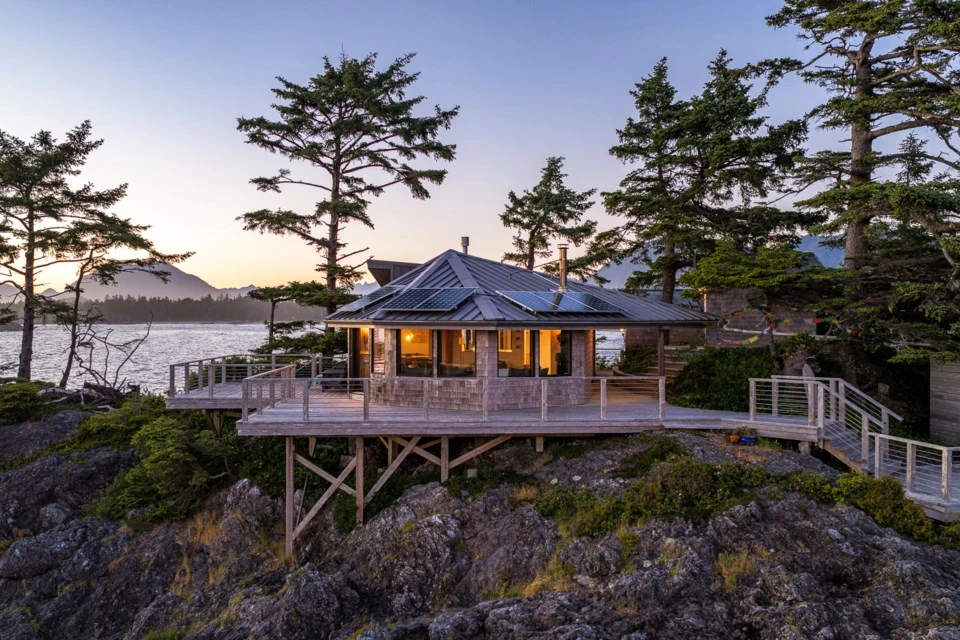
Vancouver Island’s coastal views, sandy beaches and peaceful waterfront communities make cottage ownership an appealing escape from city life. However, buying a vacation property involves more than the purchase price, with property taxes, insurance, utilities and ongoing maintenance adding to the cost.
For buyers exploring Vancouver Island cottages for sale, understanding these expenses can help determine whether a waterfront retreat fits their budget.
How Much Does a Vancouver Island Cottage Cost?
Cottage prices vary depending on location, waterfront access, property size and proximity to amenities. A modest cabin farther inland may offer a more accessible entry point, while a waterfront property with ocean views can command a significant premium.
According to the Vancouver Island Real Estate Board’s September 2026 statistics, the benchmark price of a single-family home across its market area was $777,300. Prices varied by community, from $474,600 on the North Island to $896,200 in Parksville-Qualicum. In Nanaimo, the benchmark price reached $798,400, while the Comox Valley recorded $848,900. These figures provide a useful starting point for buyers researching Vancouver Island properties, although they exclude acreage and waterfront homes and do not represent cottage-specific prices.
According to BC Assessment’s 2026 Vancouver Island regional report, the total assessed value of real estate across Vancouver Island and surrounding islands reached approximately $399 billion, reflecting a 2% increase from 2025. However, assessed values differ from current listing and sale prices.
Buyers should compare recent sales of similar cottages in their preferred communities rather than relying on regional assessment totals to estimate costs. Waterfront access, road conditions, property size and access to year-round services can all affect a cottage’s market value.
The Hidden Costs of Cottage Ownership
The purchase price is only one part of the financial commitment. Buyers should budget for several recurring expenses and one-time costs before making an offer.
- Property taxes: British Columbia homeowners pay annual property taxes based on assessed property values and local tax rates, with additional utility fees potentially applying.
- Home insurance: Waterfront and remote properties may require specialized coverage, so buyers should obtain quotes that account for the cottage’s location, construction and risks.
- Utilities and services: Properties outside municipal service areas may rely on private wells, septic systems, propane or other services that require regular upkeep.
- Maintenance and repairs: Coastal weather, moisture exposure and seasonal vacancies can make roof repairs, exterior upkeep and plumbing inspections important parts of the ownership budget.
- Closing costs: Buyers should account for legal fees, inspections and British Columbia’s property transfer tax. The tax generally starts at 1% on the first $200,000 of taxable property value, rises to 2% on the portion between $200,000 and $2 million, and reaches 3% on the portion above $2 million. Additional taxes may apply to certain properties. See the provincial property transfer tax guidelines.
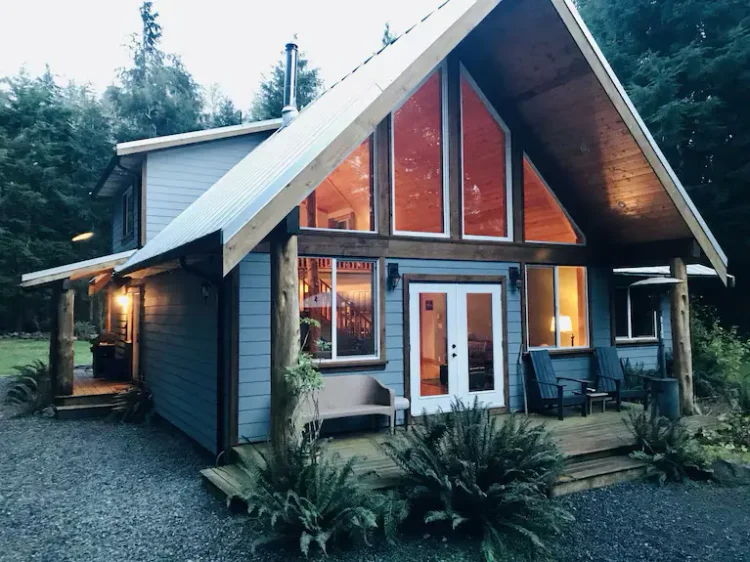
What Could Your Annual Cottage Budget Look Like?
Beyond mortgage payments, cottage owners should budget for property taxes, insurance, utilities and ongoing maintenance. Properties with septic systems or wells may also require regular inspections, testing and repairs. Owners should factor in travel costs, including ferry fares, fuel and transportation, especially if they plan to visit their cottage frequently.
Owners should request property-specific quotes and review recent utility bills rather than relying on general estimates. Mortgage payments, major renovations and unexpected repairs should also be factored into the overall budget. Additional costs can depend on a cottage’s location and infrastructure. For example, remote or waterfront properties may have additional access and maintenance expenses, while cottages without municipal water or sewer connections require owners to maintain their own systems. A practical budget should separate predictable annual expenses from irregular costs, such as replacing a roof, repairing a deck or upgrading an aging septic system. Setting aside a contingency fund can help owners manage unexpected repairs without relying on additional borrowing.
Buyers should also inspect the property’s existing systems before making an offer. In British Columbia, private well owners are responsible for maintaining water quality, and onsite sewage systems must follow applicable maintenance requirements. Reviewing inspection records and budgeting for future repairs can help buyers avoid unexpected costs.
Buyers should also confirm that a property’s water supply, septic system and access arrangements meet their intended needs before closing. A qualified home inspector and, where necessary, specialists in wells, septic systems or shoreline conditions can help identify issues that a standard walkthrough may miss.
Location Matters When Buying a Cottage
Vancouver Island offers a range of cottage settings, from established coastal communities to quieter rural areas. Properties near Victoria, Nanaimo and other service centres may offer convenient access to shopping, healthcare and year-round amenities. More remote locations can provide additional privacy, but buyers should consider road access, emergency services, ferry connections and the cost of transporting supplies.
Before purchasing a waterfront cottage, buyers should also investigate shoreline conditions, flood exposure, access rights and any restrictions on renovations or future development.
Buyers should review available flood-hazard information and ask about erosion, drainage and the property’s exposure to coastal storms. These factors can influence future maintenance needs, insurance availability and the feasibility of making changes to a waterfront property.
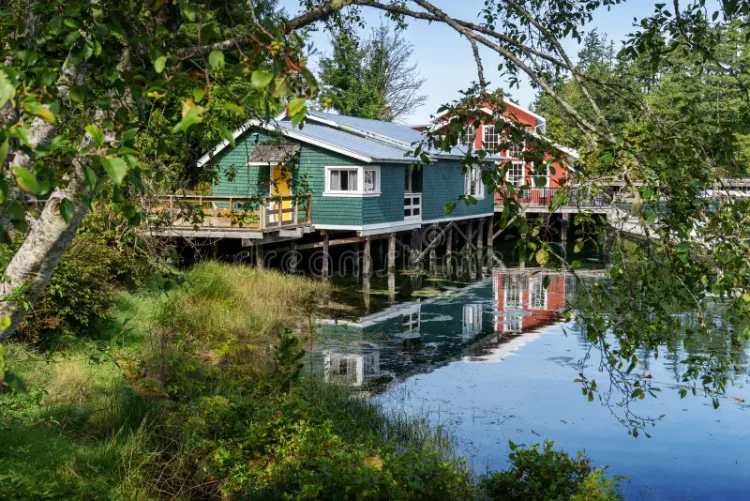
Is Cottage Ownership Worth It?
A Vancouver Island cottage can offer a valuable personal retreat and a place for family gatherings, but its financial benefits depend on the purchase price, ongoing costs and how often the property is used.
Buyers considering rental income should verify local zoning, municipal bylaws, strata restrictions where applicable and provincial short-term rental requirements before including rental revenue in their financial plans. British Columbia’s short-term rental rules restrict rentals to principal residences in many communities, although exemptions apply to certain locations and property types. As the rules vary by location, buyers should confirm whether a specific cottage qualifies for short-term rentals before purchasing it as an investment. Expected rental income should not be treated as guaranteed until eligibility, licensing requirements and operating expenses have been reviewed.
Ultimately, the best cottage purchase is one that balances the lifestyle you want with the full cost of ownership. By budgeting for both predictable expenses and unexpected repairs, buyers can enjoy Vancouver Island’s coastal lifestyle with greater financial confidence.
Ready to explore your next adventure? Search homes across Canada with Zoocasa and see where your next chapter could take you.