

After a turbulent few years, Canada’s housing market showed little movement heading into spring, as fluctuating interest rates continued to weigh on buyer demand. According to the Canadian Real Estate Association (CREA), home sales were essentially flat in March 2026, and the national average price saw only modest movement, reflecting ongoing pressure from higher borrowing costs and economic uncertainty.
Beneath the surface, however, the picture is far more uneven. Mid-priced cities are posting double-digit price gains, several higher-priced regions are seeing meaningful corrections, and a handful of markets are quietly heating up across both prices and sales.
To help buyers and sellers identify where the real opportunities and risks lie, Zoocasa analyzed average prices and annual changes across 23 regional markets in Canada, highlighting where home values are climbing fastest, where they are falling the most, and which cities are emerging as the country’s new value hubs.

How many Canadian housing markets are priced below and above the national average?
Based on CREA’s March data, 19 of 26 regional markets, approximately 73%, have average home prices below the national benchmark. These below‑average markets span every region, from the Prairies and Atlantic Canada to parts of Ontario and Quebec, with typical prices ranging from the mid‑$300,000s to the low‑$600,000s.
Meanwhile, seven markets (about 27%) sit above the national average, led by Greater Vancouver, Victoria, and Greater Toronto, where prices range from just under $1 million to over $1.2 million. This gap between the most and least expensive markets underscores how sharply regional affordability diverges across Canada, even as the national average smooths over these extremes.
Which Canadian cities have had the highest home price growth in 2026 so far?
Despite the national dip, some Canadian cities are seeing double-digit growth. The top five include:
- Trois-Rivières CMA: +14.3% year over year
- Saskatoon: +13.8%
- Thunder Bay: +11.5%
- Quebec City: +9.1%
- Saguenay CMA: +8.8%
What makes this especially worth paying attention to is that none of these are luxury markets. Saskatoon’s average sits in the mid-$400,000s. Trois-Rivières, Saguenay, and Thunder Bay are all under roughly $450,000. Quebec City is just under $500,000. Some of the strongest price momentum in the country is happening in cities that still look genuinely affordable compared to the $673,000 national average, and that combination won’t last forever.
Where are home prices dropping the most in Canada?
If you’re hunting for a correction, Ontario and B.C. are where to look. Several major markets posted annual declines of more than 6% in March 2026:
- Niagara Region: -8.1%
- Windsor-Essex: -6.8%
- Greater Toronto: -6.7%
- Sudbury: -6.7%
- Fraser Valley: -6.3%
- Hamilton-Burlington: -6.2%
These markets generally started at higher price points, ranging from the low-$500,000s to just over $1 million in the GTA and parts of the Fraser Valley. For buyers, it creates an unusual dynamic: some of Canada’s more affordable cities are getting expensive fast, while several higher-priced markets are quietly offering more room to negotiate.
Which Canadian housing markets have rising prices but falling sales?
A number of markets are seeing prices rise even as fewer deals are getting done, a pattern that usually points to tight supply and sellers holding firm rather than a wave of buyer demand. That list includes cities across both Western and Central Canada:
- Saskatoon: prices +13.8%, sales -6.8%
- Trois-Rivières: prices +14.3%, sales -13.4%
- Edmonton: prices +2.2%, sales -13.4%
- Calgary: prices +0.3%, sales -10.7%
- Halifax-Dartmouth: prices +1.3%, sales -10.7%
- Ottawa: prices +1.7%, sales -6.2%
- Victoria: prices +4.0%, sales -5.5%
In these cities, fewer deals are closing, but the ones that do aren’t coming with big discounts. For buyers, that can feel like a frustrating mix of limited options and stubborn asking prices.
What are the hottest real estate markets in Canada right now?
The markets showing the strongest momentum right now are the ones where more deals are closing, and prices are rising at the same time:
- Saguenay CMA: prices +8.8%, sales +52.2%
- Quebec City: prices +9.1%, sales +7.8%
- Sherbrooke CMA: prices +1.7%, sales +8.9%
- Montreal CMA: prices +4.7%, sales +2.2%
- Thunder Bay: prices +11.5%, sales +0.8%
- Newfoundland & Labrador: prices +0.1%, sales +5.3%
Quebec’s housing market is particularly noteworthy so far. Quebec City’s average sits in the high-$480,000s (roughly 25–30%) below the national average. Saguenay, Sherbrooke, and Trois-Rivières are all sub-$500,000 and posting some of the strongest price gains in the country. Buyers can still find comparatively affordable homes in these markets, but competition and price momentum are clearly building. This type of window doesn’t stay open indefinitely.
Which Canadian cities are seeing both prices and sales fall in 2026?
These are the markets cooling on both fronts and potentially offering the most leverage for buyers this year:
- Niagara Region: prices -8.1%, sales -6.4%
- Fraser Valley: prices -6.3%, sales -4.0%
- Hamilton-Burlington: prices -6.2%, sales -0.7%
- Sudbury: prices -6.7%, sales -9.8%
- Greater Vancouver: prices -3.0%, sales -2.9%
- Gatineau CMA: prices -3.4%, sales -11.3%
- Regina: prices -3.4%, sales -0.3%
For buyers who’ve been waiting for more selection and more negotiating power, these markets are worth watching closely.
Are homebuyers returning to markets with falling prices?
Yes, and the sales numbers prove it. In a handful of Ontario markets, prices have corrected just enough to pull buyers off the sidelines:
- Kitchener-Waterloo: prices -4.7%, sales +13%
- Windsor-Essex: prices -6.8%, sales +6.8%
- London & St. Thomas: prices -3.2%, sales +4.1%
- Greater Toronto: prices -6.7%, sales +1.7%
For first-time and move-up buyers, that window (where inventory is up and prices haven’t bounced back yet) tends to be narrow. These four cities suggest it may already be opening now that prices have softened, selection has improved, and buyers who’ve been waiting have started to move.
What’s happening to home prices in Ontario in 2026?
Most major Ontario markets are now in clear correction territory. In March 2026, seven out of eight Southern Ontario markets in this analysis recorded year-over-year price declines. The sharpest drops hit Niagara Region (-8.1%), Windsor-Essex (-6.8%), Greater Toronto (-6.7%), Sudbury (-6.7%), and Hamilton-Burlington (-6.2%).
Kitchener–Waterloo and London & St. Thomas posted more moderate declines of 4.7% and 3.2%, respectively.
Even with these pullbacks, typical home values in many of these markets remain in the low- to mid-$600,000s and still above $1 million in the GTA.
How is the British Columbia housing market performing in 2026?
B.C. remains home to some of the highest prices in the country, but the trend lines are pointing downward in its two largest markets. Greater Vancouver’s average home price fell 3% year over year to $1,201,522 in March 2026, while the Fraser Valley’s average home price fell 6.3% to $967,114.
Victoria is the main exception, with an average price of $1,027,854 (up 4 % annually), even as sales there fell by 5.5%. The province as a whole tells a story of extremely high prices meeting a cooling market, with Victoria holding on while Vancouver and the Fraser Valley quietly give ground.
Why is Alberta standing out as one of Canada’s most resilient housing markets?
While Ontario corrects and B.C.’s largest markets cool, Alberta is holding its ground. Calgary posted a 0.3% price gain year over year, and Edmonton climbed 2.2%. Both did it while absorbing significant sales slowdowns. Calgary sales fell 10.7% annually, and Edmonton’s dropped 13.4%, yet prices haven’t followed. It’s a sign that sellers aren’t panicking, and underlying demand is keeping values steady.
Homes You Can Buy Across Canada With the Approximate Budget of the National Average Home
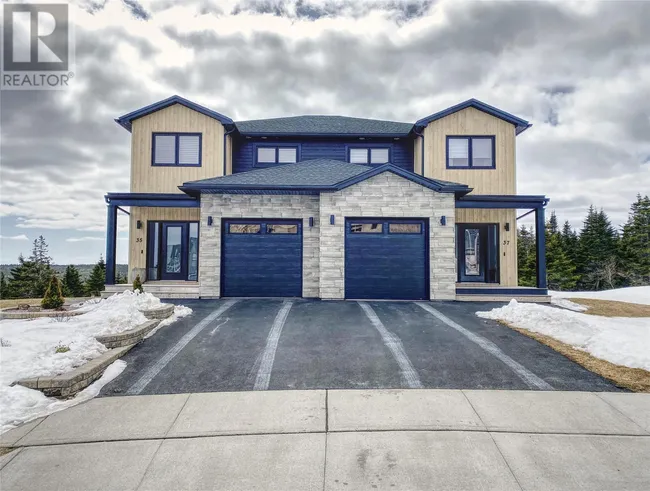
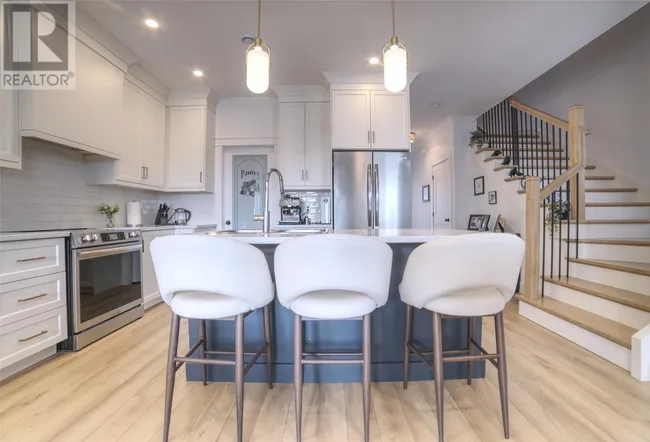
35 Donegal Run, St. John’s (Galway) NFLD
- Property Type: Single Family Home
- Specs: 3 beds, 3.5 baths | 2,666 sqft
A bright, open main floor, oversized primary suite, and fully developed basement with flexible bonus space make this single-family home ideal for modern family living. Situated on a quiet cul-de-sac lot, the home also features two mini splits for year-round comfort, an attached garage, and a large fenced yard with an oversized deck, perfect for everyday convenience and outdoor enjoyment.
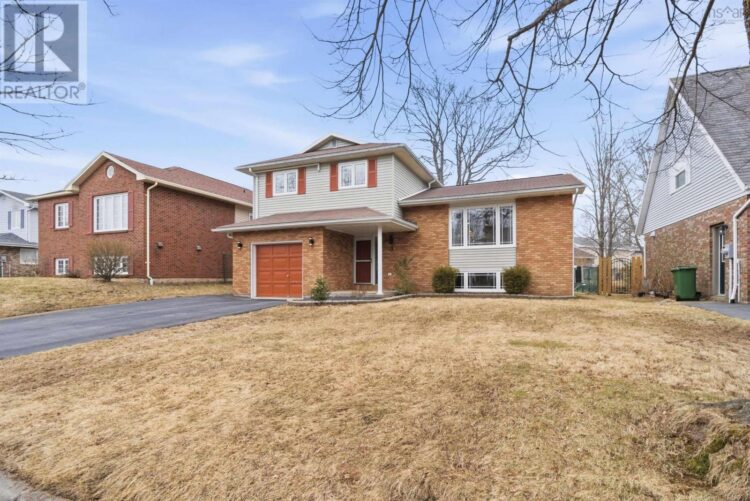
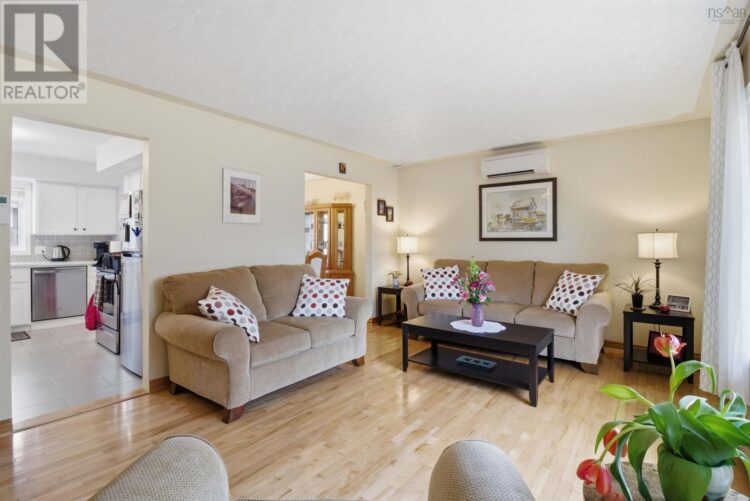
9 Amberwood Court, Halifax (Rockingham), NS
- Property Type: Single Family Home
- Specs: 3+1 beds, 2.5 baths | 2,012 sqft
Tucked into a sought-after Rockingham school district, this four-level side split offers generous living space, an updated kitchen, and multiple flexible rooms for family, work, or guests. Four ductless heat pumps keep the home comfortable in every season, while the attached heated garage, level fenced yard, deck, and shed round out a move-in-ready package.
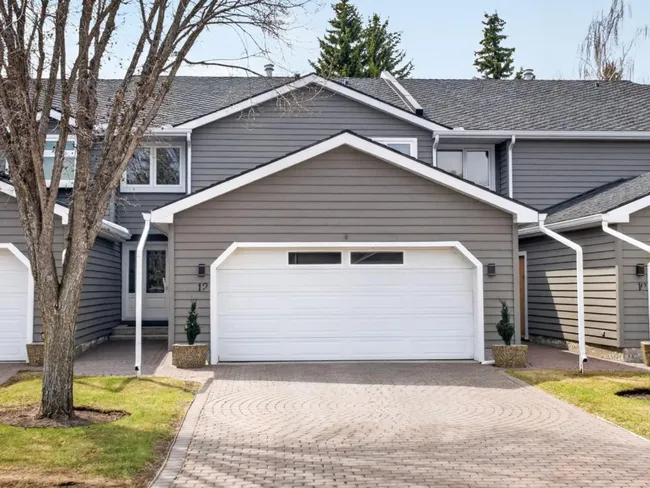
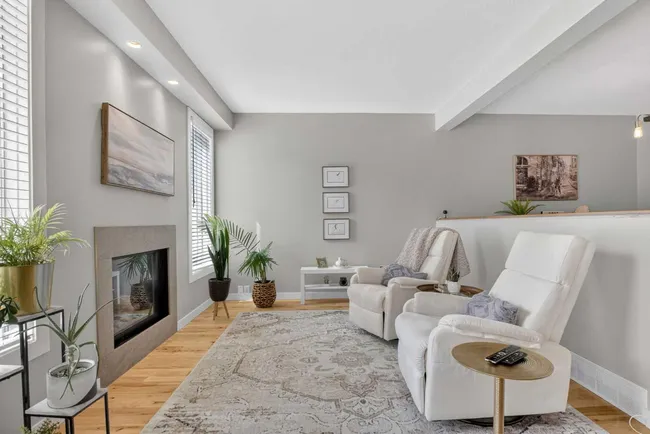
12 Wood Cres SW, Calgary
- Property Type: Row / Townhouse
- Specs: 3+1 beds, 3.5 baths | 2,133 sqft
This beautifully renovated townhouse delivers an upscale lock-and-go lifestyle with a designer kitchen and a luxurious primary retreat. An oversized insulated garage and the ease of condo-style living complete this low-maintenance home.
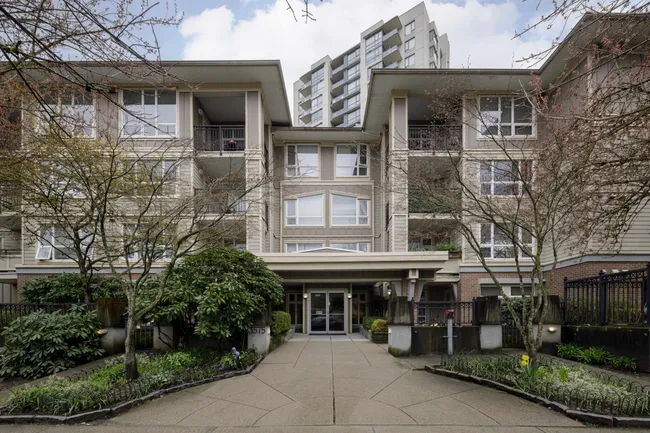
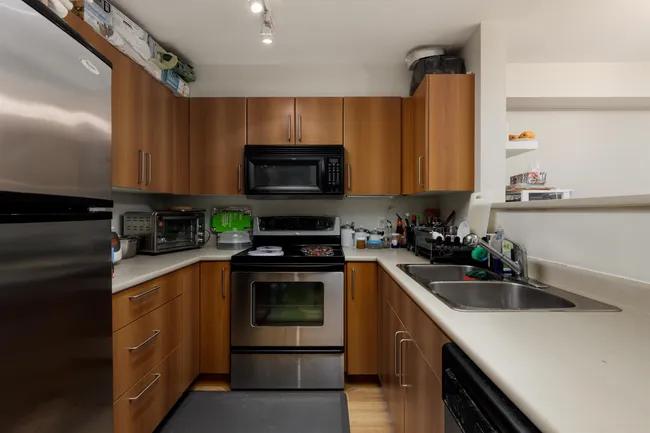
214-3575 Euclid Ave, Vancouver, BC
- Property Type: Apartment
- Specs: 2 beds, 2 bath | 868 sqft
This bright corner suite at Montage offers park-side living with two bedrooms, two bathrooms, and generous living and dining areas. A spacious covered balcony overlooks peaceful Aberdeen Park, providing a calm outdoor retreat in every season.
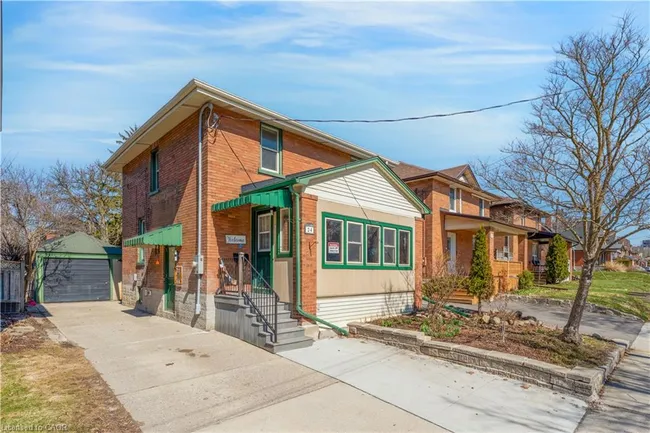
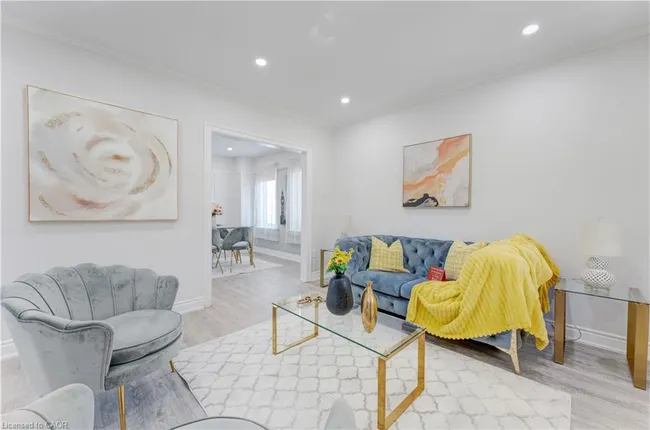
24 Onward Ave, Kitchener, ON
- Property Type: Single Family Home
- Specs: 3+1 beds, 2 baths | 1,523 sqft
This character home blends original charm with smart modern updates in a prime downtown location, featuring updated kitchens and extensive recent mechanical and electrical upgrades for long-term peace of mind. A separate-entry in-law suite, deep lot with garden, and flexible zoning make it equally compelling for end users and investors alike.