
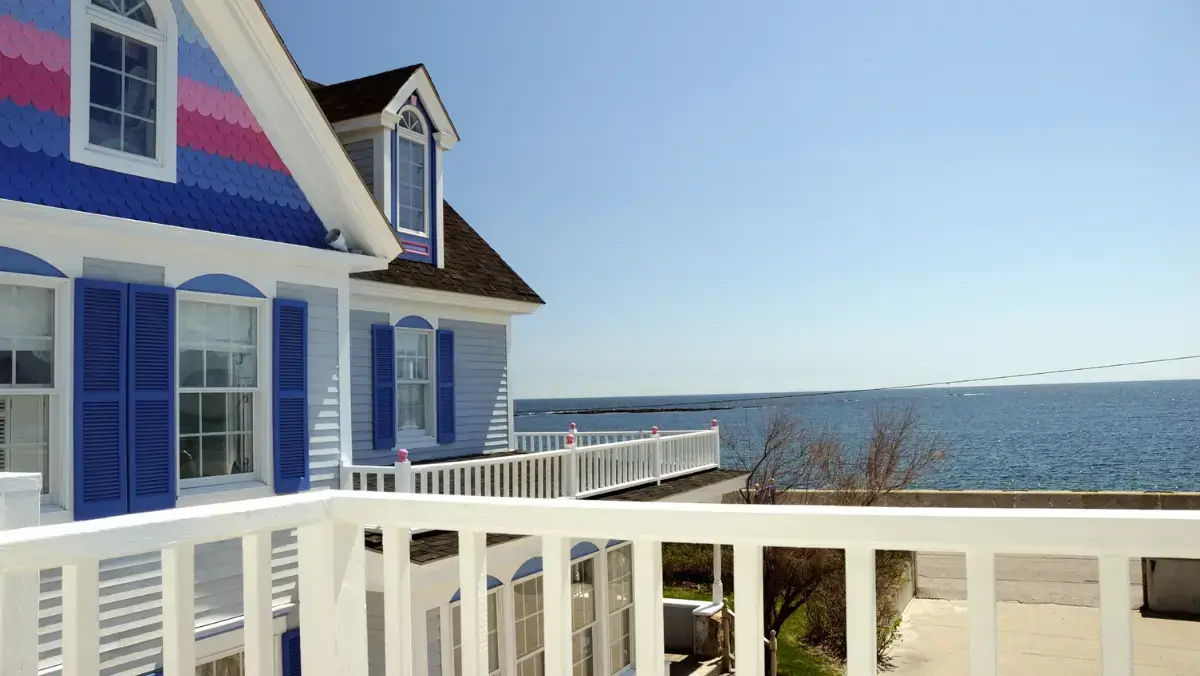
Waterfront homes in Maine offer unmatched scenery and lasting appeal, but they also come with growing risks that buyers cannot afford to overlook. Coastal erosion, rising insurance premiums, and updated disclosure rules are changing how these properties are evaluated and priced. While many buyers once relied on low insurance costs and outdated flood maps, today’s market requires a more careful approach. Understanding these risks can help buyers make a more informed investment.
The Disclosure Gap & What LD 2035 Changed
Until 2024, Maine required very little flood-related disclosure during a home sale. A 2020 property disclosure survey by the National Association of REALTORS® found that the state’s laws did not require sellers to disclose flood risk. The Natural Resources Defense Council also gave Maine a failing grade for its flood disclosure laws.
In many cases, sellers only had to answer whether the property carried flood insurance, and even “unknown” was considered an acceptable response.
Legislative Document 2035, An Act Regarding Disclosure of Flood Risk by Sellers of Real Estate, significantly expanded Maine’s disclosure requirements. The law followed a rise in flood-related inquiries to the Maine Floodplain Management Program. Under the updated rules, sellers must now disclose:
- Whether the property is located within a Federal Emergency Management Agency (FEMA)-designated Special Flood Hazard Area, including the relevant Flood Insurance Rate Map (FIRM) panel.
- Any flooding, flood damage, flood insurance claims, or federal disaster assistance related to flooding during the seller’s ownership.

Where the Disclosure Law Falls Short
While LD 2035 strengthened Maine’s disclosure requirements, important limitations remain. Sellers only have to disclose flooding that happened while they owned the property. If the home flooded under a previous owner, that history may not be included. The disclosure form also isn’t designed for every type of waterfront home. Many coastal properties are built on pilings or slabs, where flooding often affects parking or storage space instead of a basement. Those situations are not always reflected in the current disclosure requirements.
FEMA Maps Are the Floor, Not the Full Picture
The updated disclosure law also requires sellers to attach a FEMA FIRMette, but buyers should understand its limitations. FEMA flood maps are based on historical flood data and are not designed to predict future flood risk. As sea levels rise and coastal flooding becomes more frequent, a property’s actual exposure may exceed what the current map suggests.
As a result, properties outside a mapped Special Flood Hazard Area may still face meaningful flood risk. Buyers should also confirm whether their county has updated flood maps, since some parts of Maine continue to rely on much older FIRMs.
Erosion Is Speeding Up & You May Not Be Allowed to Rebuild the Way You’d Expect
The Maine coast is changing, even if the changes happen gradually. Sea level has been rising at Portland’s tide gauge for more than a century, and the pace has picked up in recent decades, according to the Maine Geological Survey. Looking ahead, the agency estimates sea levels could rise another 20 to 40 inches by 2090. Add 1 to 3 feet of storm surge during major coastal storms, and flooding that was once considered rare could become much more common.
One of the biggest surprises for waterfront buyers comes after a major storm. If a coastal home is heavily damaged, rebuilding it exactly as it was may not be an option. Maine’s Natural Resources Protection Act, Coastal Sand Dune Rules (Chapter 355), and local Shoreland Zoning ordinances can all limit how and where a damaged waterfront property can be rebuilt.
- The 50% Rule. If the cost to restore a home equals or exceeds 50% of its market value, the municipality may issue a Substantial Damage Determination. That designation requires the structure to meet current floodplain regulations, which often means elevating the home on pilings.
- No new seawalls. After devastating storms in 1978, the state banned new seawalls, bulkheads, and riprap in coastal dune areas because these structures can make erosion worse on nearby beaches.
- Bluff setbacks. If a home is located beside a bluff and is classified as Unstable or Highly Unstable, Maine’s shoreland zoning rules require new construction to be set back from the bluff edge.
Shoreline stabilization is another cost buyers should factor into the equation. Maine generally encourages soft stabilization methods, such as native plantings and geotextile fabric. Construction is typically restricted to late fall and winter to protect coastal habitat, and larger projects often require engineering reviews and multiple permits. Depending on the property’s conditions, costs can quickly climb into the tens of thousands of dollars.
Insurance Is Still Affordable in Maine–For Now
Homeowners insurance in Maine remains among the most affordable in the country. However, premiums have been rising. The Maine Bureau of Insurance reported that average homeowners insurance rates increased by 12.8% in 2024. The pace slowed in 2025, with approved rate increases averaging 2.9%, according to figures released in April 2026. Even so, coastal homes often face larger premium increases than the statewide average because they are more exposed to wind and storm damage.
Coastal homes are facing closer underwriting reviews, with insurers paying more attention to:
- Separate windstorm deductibles. Instead of a fixed dollar amount, many now use a windstorm deductible based on a percentage of the home’s replacement value. For a higher-value waterfront property, that percentage can translate into a significant out-of-pocket expense before coverage begins.
- More buyers are landing in the surplus lines market. Properties considered higher risk are increasingly being placed with non-admitted surplus lines insurers, which typically charge higher premiums and may offer more limited coverage. Unlike admitted insurers, these companies are generally not backed by state guaranty funds.
- Secondary structures losing coverage. Features that define waterfront living, including docks, piers, detached garages, retaining walls, and beach stairs, are increasingly being excluded or covered under separate limits outside the primary dwelling policy.
What to Do Before You Buy

1. Do not rely only on the seller’s disclosure.
A seller’s disclosure is helpful, but it may not include flooding that happened before they owned the home. Pull a National Flood Insurance Program (NFIP) claims history for the address to get a fuller picture.
2. Look beyond FEMA flood maps.
A property can face future flood risk even if it is outside a current flood zone. The Maine Geological Survey’s Sea Level Rise/Storm Surge viewer can show how the property may be affected as conditions change.
3. Get professional advice on bluffs and slopes.
If the home sits near a bluff or slope, confirm the site’s stability before assuming you could rebuild there after major damage.
4. Get a firm insurance quote before making an offer.
Ask for an actual quote, not an estimate. Make sure you understand the windstorm deductible, coverage limits, and whether the insurer is a standard carrier or a surplus lines provider.
Understanding the Risks of Waterfront Homes in Maine
For generations, Maine’s coastline has attracted buyers seeking a rare combination of beauty and investment potential. But waterfront homes in Maine now come with a new set of considerations, from rising insurance costs to changing shoreline regulations. Buyers who understand these risks before purchasing will be better prepared for the future.
Finding the right waterfront property means looking beyond the view. Start your search with Zoocasa today.