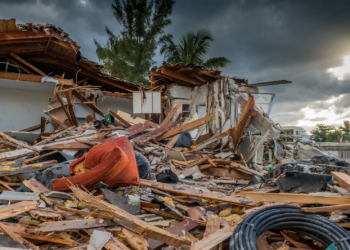
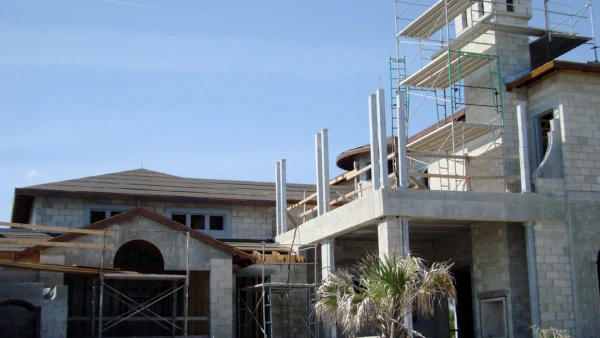
Natural disasters such as hurricanes, tornadoes, floods, wildfires, and earthquakes can strike with little warning, leaving destruction in their wake. As climate change intensifies extreme weather patterns, the frequency and severity of these events are expected to increase. For homeowners, this raises an urgent question: how can we better prepare our homes to withstand the forces of nature?
Fortunately, advances in architecture, engineering, and building materials now allow for homes to be designed and retrofitted to survive a wide range of natural disasters. Below are some key features and strategies that can significantly improve a home’s resilience to these hazards:
Hurricane and Wind Resistance
Homes in hurricane-prone areas face extreme winds, which can tear off roofs, break windows, and collapse walls. To reduce the risk of damage from high winds, consider the following features:
- Impact-Resistant Windows and Doors: Shatterproof windows and doors can withstand flying debris, which is one of the most common causes of damage during hurricanes. These windows are typically made from laminated glass or polycarbonate materials, which prevent the glass from shattering on impact.
- Roof Straps and Hurricane Clips: Roofs are particularly vulnerable to wind damage. Using hurricane clips or straps to secure the roof to the walls and foundation can significantly increase the structural integrity of the home. These fasteners help prevent the roof from being lifted off during strong winds.
- Reinforced Garage Doors: In hurricane zones, garage doors are often a weak point in the structure of the home. Reinforcing or replacing garage doors with impact-resistant models helps prevent them from being blown in by high winds.
- Aerodynamic Design: Homes with rounded corners or a sloped roof can better withstand wind forces by reducing the buildup or pressure that can lead to structural failure. Avoiding flat roofs and sharp angles can improve wind resistance.
Flood Prevention and Water Resistance
Flooding is a common consequence of heavy rains, storm surges, or rising rivers. Protecting a home from water damage involves several strategies:
- Elevated Foundations: In flood-prone areas, elevating the home above the base flood elevation (BFE) is one of the most effective ways to prevent flood damage. Homes built on pilings or stilts can remain dry even during significant flooding.
- Flood-Proof Materials: When building or renovating, consider using flood-resistant materials such as concrete, brick, or pressure-treated wood for walls, floors, and foundations. These materials can withstand water exposure without weakening or rotting.
- Flood Barriers and Levees: Installing removable flood barriers around the perimeter of the home can offer temporary protection during heavy rainfall or storm surges. Some homes use inflatable or steel barriers to divert water away from the house.
- Proper Drainage Systems: Ensuring that the landscaping around the home promotes proper water damage can help prevent flooding. Installing French drains, sump pumps, or rain gardens can direct excess water away from the home’s foundation.
Earthquake Resistance
Earthquakes are unpredictable, but building homes to withstand seismic activity is possible. Here are key features for earthquake resilience:
- Seismic Bracing and Foundation Reinforcement: Homes in earthquake-prone areas should have reinforced foundations. Steel or concrete shear walls, cross-bracing, and steel straps can prevent a building from shifting or collapsing during ground shaking.
- Flexible Building Materials: Materials that can bend without breaking, such as wood or certain composite materials, are more earthquake-resistant than rigid materials like brick or unreinforced concrete. Flexible materials allow the home to absorb seismic waves rather than crack under pressure.
- Anchoring Heavy Furniture and Appliances: During an earthquake, unsecured furniture can become dangerous. Use anchoring straps or brackets to secure bookshelves, appliances, and other heavy items to walls, preventing them from toppling.
Wildfire Mitigation
In areas prone to wildfires, taking steps to create defensible space around the home is essential. Here are some ways to minimize the risk of wildfire damage:
- Fire-Resistant Roofing and Siding: Choosing fire-resistant roofing materials such as metal, clay tiles, or asphalt shingles can help protect the home from embers. Similarly, using fire-resistant siding materials like stucco, brick, or cement board reduces the risk of a home catching fire.
- Defensible Space Landscaping: Create defensible space by clearing away dead vegetation, trees, and other flammable materials from around the house. This buffer zone gives firefighters time to defend your home and can slow the spread of a wildfire.
- Fire-Resistant Windows and Vents: Install tempered glass windows, which are more resistant to breaking from heat. Additionally, vents should be covered with mesh screens to prevent embers from entering the home through attic vents or eaves.
- Sprinklers and Fire Suppression Systems: Some homeowners install automatic sprinkler systems around their homes or in their attics to reduce the risk of fire spreading quickly. These systems can be particularly effective in preventing fires during peak wildfire seasons.
Energy and Water Resilience
Natural disasters often disrupt essential services such as electricity and water supply. Preparing your home for these disruptions can ensure greater self-sufficiency:
- Backup Power Systems: Installing solar panels combined with a battery storage system or a backup generator ensures that the home can remain powered even during an outage. This can be especially important during hurricanes, earthquakes, or wildfires when power lines may be down for extended periods.
- Rainwater Harvesting and Water Storage: Installing rainwater collection systems allows homeowners to store water for emergency use. This can be particularly useful during natural disasters that disrupt the municipal water supply.
- Sustainable Design: Homes that incorporate sustainable building practices, such as passive solar heating and energy-efficient insulation, can remain comfortable during natural disasters while reducing dependency on external resources.
General Disaster Preparedness
- Smart Home Technology: Incorporating smart home features such as flood detectors, temperature sensors, and remote control systems can help homeowners monitor and respond to potential threats quickly. Some systems can automatically shut off the water supply in case of leaks or alert homeowners to rising flood levels.
- Emergency Shelters and Safe Rooms: In tornado-prone or hurricane-prone areas, homeowners might consider adding a designated safe room or storm shelter. These rooms are designed to provide protection from extreme weather conditions and are typically reinforced with concrete and steel.
- Emergency Kits and Evacuation Plans: While this isn’t a home feature per se, having a well-stocked emergency kit with food, water, and first-aid supplies is essential. Additionally, an evacuation plan that includes clear routes and communication methods can ensure that everyone in the household stays safe.
Building a home that can withstand natural disasters requires careful planning and investment. By incorporating the right materials, structural reinforcements, and disaster mitigation strategies, homeowners can significantly reduce the risk of property damage, safeguard their loved ones, and ensure their homes remain safe in the face of increasingly unpredictable natural events. Whether you’re constructing a new home or retrofitting an existing one, these features offer a foundation for creating resilient homes that can withstand nature throws their way.
Are you looking to enter the real estate market this winter? Give us a call today! One of the experienced agents at Zoocasa will be more than happy to help you through the exciting home-buying process!