
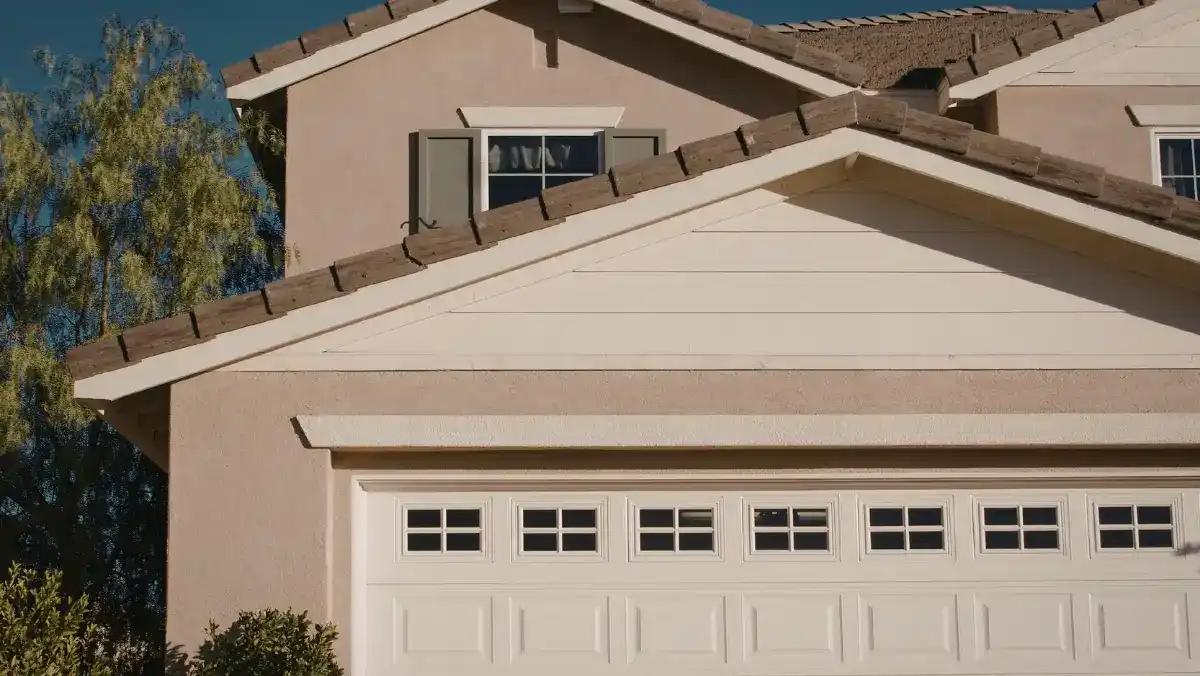
If you’re prepping to sell your home, knowing how to stage your garage before you list could be the highest-ROI move you make. Recent buyer surveys show that 42% of homebuyers prefer a two-car garage over other parking options, making it one of the most desired home features.
The average cost of staging is about $1,500, but it can make a real difference. Staged homes often sell for 1–10% more than similar unstaged properties, so even small upgrades can deliver a strong return at closing.
Here’s how to stage your garage before you list in today’s market.
How Buyers Evaluate a Garage
When a buyer walks into a cluttered garage, their brain can get overwhelmed. They stop seeing the actual space and focus on the mess instead. Three psychological factors shape how they decide what to offer:
1. The Halo Effect of Maintenance
A well-kept garage makes buyers think the rest of the home is in good shape as well. On the other hand, things like oil stains or damaged walls can make buyers worry about hidden problems. This leads to “perceived risk” pricing, where they lower their offer to cover possible repairs.
Real estate agents often point out that buyers tend to overestimate repair costs during negotiations, so even small cosmetic issues can lead to bigger price reductions than expected.
Identity Disruption
Personal items like family photos or hobby collections can make it harder for buyers to see themselves in the space. These items act as “identity anchors” that keep the home tied to the current owner.
Decision Fatigue
Since the garage is often one of the first or last spaces buyers see, it can have a bigger impact than its size suggests.
Step 1: How to Cut Your Garage Inventory by 30-50%
Professional stagers recommend reducing garage contents by 30% to 50%. The quickest way to achieve this is to fully empty the space first, then organize items using a clear system.
The Five-Year Rule
If an item hasn’t been used in five years, it goes. This single rule eliminates roughly 40% of typical garage contents in most homes.

Step 2: Environmental Remediation
After decluttering, work top-down: ceiling, walls, then floor. A pressure washer is the highest-efficiency tool here, removing salt deposits, grime, and dirt that sweeping leaves behind.
Wall Remediation
Patch and touch up any drywall holes. If walls are unfinished or stained, a coat of neutral white paint is the single highest-ROI improvement possible in a garage.
Concrete Stain Removal
Concrete is porous, so stains can suggest poor maintenance or heavier wear than what’s actually there. The best way to deal with them depends on how old the stain is and what caused it:

Odour Neutralization
Air fresheners are a red flag for buyers. Use molecular-level neutralizers instead:
- Chlorine dioxide bombs: Penetrate porous surfaces like drywall and floor joists
- Ozone generators: For severe cases (smoke, mould); rented at $50–$100/day
- Dehumidifier + ventilation: Prevents mustiness from returning
Pest Exclusion
Even cosmetic evidence of pests raises structural integrity concerns. Seal gaps around pipes and cables with caulk, replace worn weatherstripping, and use peppermint or cedar essential oils as a natural deterrent.
Step 3: The Floor Upgrade
The floor is the largest visible surface in your garage, and its condition greatly shapes buyer perception. Here’s how the major coating options compare:

Polyaspartic has become the professional standard as it cures in a single day, meaning sellers can install it without losing showings.
GTA-area installers like Epoxy Dudes and Toronto Garage Solutions back their work with 15-year workmanship warranties, while companies like SurfacePro Epoxy and Garage Living offer 10-year coverage.
Step 4: EV Infrastructure
About 74% of Ontarians say they would consider buying an electric vehicle next, and the demand for EV-ready homes is growing quickly. Research on 14 million California home sales found that being close to EV charging infrastructure increased home values by about 3.3%.
- Homes equipped with a Level 2 charger tend to sell faster than properties without one
- Proximity to EV charging infrastructure added 3.3% to 5.8% in home value, depending on distance
- 80% of EV charging in Canada happens at home, making a home charger a daily-use feature, not a luxury
The EVEMS Workaround
For older GTA homes still on 100-amp service, a full panel upgrade can run $2,000–$4,500, depending on the complexity of the install. An EVEM is a cost-effective alternative. It monitors your home’s electrical capacity in real time and automatically pauses the charger when other high-load appliances are running, allowing safe Level 2 charging without the upgrade.
Step 5: Storage Systems That Maximize Perceived Square Footage
The sense of a “big garage” comes down to how much open floor space you can see. The fix is moving everything possible to the walls and ceilings.

Step 6: Lifestyle Staging
In 2026, the garage is increasingly marketed as a flexible, multi-use space rather than just a place to park a car, with these high-impact zone ideas that consistently attract buyers:
The Home Gym
One of the top garage conversion trends in 2026 is the home gym, which can be staged with high-density rubber mats, a dumbbell rack, a yoga mat, and a single cardio machine. Frameless wall mirrors make smaller garages feel nearly twice as large, with an estimated staging cost of $400–$1,200 using rented or borrowed equipment.
Niche Lifestyle Hooks
In affluent markets, a single standout feature can often be the deciding factor that tips an offer in your favour:
- Built-in dog washing station — appeals to the 70% of homeowners with pets
- Mini “man cave” corner — comfortable seating + mini-fridge
- Crafting/hobby retreat — appeals to remote workers seeking a dedicated space
Turning Function Into Value
Knowing how to stage your garage before you list is one of the most measurable, high-ROI staging moves in today’s market. In a market where buyers are slower to commit and quicker to negotiate, a fully staged garage removes objections before they become price reductions.
A well-staged garage can set your home apart, but finding the right next home matters just as much. Explore what’s available with Zoocasa and start your search today.