
A well-maintained yard can boost curb appeal, create a relaxing outdoor retreat and add to your property’s overall appeal. However, hurricane-force winds and heavy rainfall can quickly turn landscaping into a source of property damage.
From fallen tree branches and uprooted shrubs to flooded gardens and eroded soil, severe storms can affect more than your home’s exterior. They can also damage fences, walkways, drainage systems and other outdoor features that may be costly to repair.
Preparing your landscaping before hurricane season can help minimize damage, protect your home’s exterior and make post-storm cleanup more manageable. While no landscaping strategy can make a property completely storm-proof, thoughtful planning and regular maintenance can help reduce risks.
Here’s how homeowners can protect their landscaping from hurricane season, whether they’re maintaining an established garden or preparing a newly purchased property for severe weather.
1. Inspect Your Trees and Trim Vulnerable Branches
Trees can provide shade, privacy and curb appeal, but damaged or poorly maintained trees may pose a risk during severe storms. Strong winds can break branches, damage nearby structures and uproot trees with compromised root systems.
Before hurricane season, inspect the trees around your property for dead branches, visible cracks, damaged trunks and signs of root problems. Pay particular attention to trees close to your home, driveway, garage, fences and overhead utility lines.
The University of Florida’s Institute of Food and Agricultural Sciences (UF/IFAS) recommends having larger trees assessed and properly pruned by a qualified arborist to help reduce storm-related damage, and emphasizes the importance of a strong trunk structure and healthy branch arrangement.
Avoid removing large branches or cutting back a tree’s canopy excessively on your own. Improper pruning can weaken trees rather than make them more resilient. If you notice a leaning tree, exposed roots or significant structural damage, consult a certified arborist before the next storm arrives.

2. Secure Outdoor Furniture, Planters and Garden Decorations
Landscaping includes more than trees, shrubs and flower beds. Patio furniture, hanging baskets, decorative planters, garden ornaments and other loose items can become airborne in strong winds.
Before a hurricane or tropical storm arrives, move lightweight outdoor items into a garage, shed or other secure indoor space. Anchor heavier items where appropriate, and secure anything that cannot be brought inside.
The U.S. Centers for Disease Control and Prevention’s hurricane preparedness guidance specifically recommends clearing yards of items such as lawn furniture, grills, propane tanks, bicycles and construction materials that could blow around during a storm.
Container plants also need attention. Move smaller pots indoors or to a sheltered location. If a large planter cannot be moved, follow local emergency guidance and assess whether it can be secured safely.
Check garden structures such as trellises, pergolas and raised decorative features for loose connections or unstable foundations. Repairing these features before hurricane season may help prevent them from collapsing or damaging nearby plants.
3. Improve Yard Drainage to Reduce Flooding
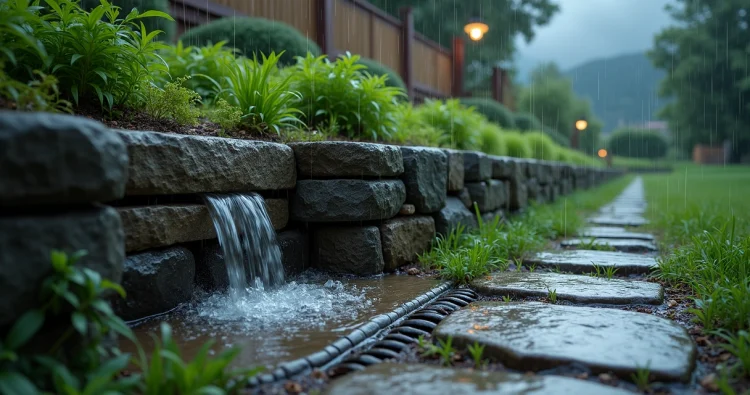
Heavy rainfall can overwhelm poorly drained yards, allowing water to pool around gardens, patios and foundations. Standing water can damage plants, wash away soil and increase the risk of water entering a home.
Start by inspecting your property’s grading, downspouts and existing drainage channels. Make sure the landscape directs water away from your home’s foundation rather than allowing it to collect beside exterior walls.
Canada’s federal government recommends flood-wise landscaping to help manage runoff and reduce localized flooding. Strategies include rain gardens, bioswales, suitable vegetation and permeable paving that allows water to soak into the ground.
Rain gardens can collect runoff in designated areas, while bioswales use planted channels to help slow and direct water. Permeable surfaces can also reduce the amount of rainwater running across patios, paths and driveways.
However, drainage improvements must suit your property’s soil, slope and existing infrastructure. Consult a qualified landscaping or drainage professional before making major grading changes, particularly if your property has a steep slope, a retaining wall or a history of flooding.

4. Protect Garden Beds From Soil Erosion
Heavy rain can wash away topsoil, expose plant roots and leave garden beds uneven. Sloped properties and areas with bare soil may be especially vulnerable to erosion during intense rainfall.
One way to protect garden beds is to maintain healthy ground cover. Dense plantings, low-growing ground covers and suitable native grasses can help hold soil in place while reducing the amount of exposed ground.
Vegetation can help slow runoff and that rocks can stabilize soil and reduce erosion in appropriate drainage features, according to the government of Canada’s flood-wise landscaping guidance.
Mulch can also help protect garden soil from the impact of rainfall. Apply it according to the needs of your plants, but avoid piling it against tree trunks or building foundations. On steep slopes or in areas with fast-moving runoff, mulch may wash away, so consider more stable ground covers or professionally designed erosion-control measures.
For gardens with recurring drainage problems, a landscape professional can help determine whether additional ground cover, stone channels or other soil-stabilization measures are appropriate.
5. Choose Storm-Resilient Plants for Future Landscaping
If you’re redesigning your yard or adding plants to a recently purchased home, consider how local weather conditions should influence your choices.
No plant is completely hurricane-proof, and a species that performs well in one region may struggle in another. However, choosing plants suited to your climate, soil and exposure can help establish a healthier landscape over time.
UF/IFAS recommends selecting tree species with stronger structural characteristics, planting them with adequate rooting space and considering their mature size in relation to nearby buildings and utilities. Its hurricane tree preparation guide offers guidance on selecting and positioning trees to reduce storm-related risks.
When planning a new garden, consider the following:
- Native and locally adapted plants: These may be better suited to local growing conditions and can support soil stability when established appropriately.
- Strong tree structure: Look for trees with healthy trunks, well-spaced branches and sound root systems.
- Appropriate planting locations: Give trees enough room to develop roots without interfering with foundations, sidewalks or underground utilities.
- Salt tolerance in coastal areas: If your property is exposed to salt spray, choose plants suited to those conditions.
- Established ground cover: Use suitable grasses, shrubs or ground covers to help limit exposed soil and manage runoff.
For Canadian properties, consult a local nursery, arborist or landscape professional who understands your region’s growing conditions. Coastal properties, in particular, may need landscaping that accounts for salt exposure, strong winds and heavy rainfall.
6. Prepare Your Lawn, Irrigation System and Rain Barrels
A few simple maintenance tasks can help your landscaping cope better with an approaching storm.
First, inspect your lawn and garden for loose branches, debris and damaged structures. Remove items that could obstruct drainage channels or become projectiles in high winds.
Next, check your irrigation system. UF/IFAS recommends turning off irrigation before a hurricane because rainfall will generally provide sufficient water during the storm. Continuing to irrigate saturated soil can add unnecessary moisture when drainage is already under pressure.
Rain barrels also require preparation. The university’s hurricane landscaping guidance recommends securing barrels and addressing their connections to gutters before a storm. Follow the manufacturer’s instructions and local stormwater guidance to prevent barrels from tipping over or discharging water in an unsafe location.
Finally, check fences, gates and garden edging for loose components. Repairing damaged features before severe weather arrives may help prevent further deterioration.
Homeowner tip: Complete routine yard maintenance early in the season rather than waiting for a storm warning. Once severe weather is imminent, prioritize official safety instructions over landscaping work.
7. Protect Landscaping Before a Hurricane Arrives
Long-term maintenance is important, but homeowners should also take several immediate steps when a storm is forecast.
The National Oceanic and Atmospheric Administration’s hurricane preparedness guidance recommends trimming trees before storms, securing loose outdoor objects and preparing the home for potential wind impacts.
As a storm approaches:
- Move portable planters, garden furniture and decorations into a secure location.
- Remove loose debris from the yard and drainage areas.
- Turn off irrigation systems.
- Secure rain barrels and other movable outdoor equipment.
- Follow local guidance for protecting vulnerable structures and preparing your property for heavy rainfall.
- Monitor official weather alerts and evacuation instructions.
Do not attempt to prune trees, climb ladders or move heavy objects in dangerous wind or rain. Once conditions become hazardous, protecting people takes priority over protecting landscaping.
If evacuation orders are issued, follow them promptly. No landscaping measure is worth delaying your departure or putting yourself at risk.
8. Assess Your Landscaping Safely After the Storm
Once officials confirm that it is safe to return outside, inspect your property for damage before beginning cleanup.
Look for fallen branches, leaning trees, exposed roots, washed-out soil, damaged fences and blocked drainage channels. Photograph damage before making repairs if you may need to submit an insurance claim.
Watch for hazards such as hanging branches, leaning trees and debris near power lines after a hurricane. Keep away from downed power lines and branches touching electrical wires, and contact the utility company to report hazards rather than attempting to clear them yourself. Hire a qualified tree professional to assess major damage, particularly if a tree has shifted, developed large cracks or is leaning toward a building.
For smaller garden beds, remove debris carefully and assess whether soil has washed away or roots have become exposed. Restore damaged ground cover and drainage features once conditions permit, and consult a professional if flooding or erosion has affected your foundation or retaining walls.
Remember that not every damaged plant needs immediate replacement. Some plants may recover after damaged material is removed appropriately, while others may require professional assessment.
Protect Your Property With a Hurricane-Ready Landscape
Protecting your landscaping from hurricane season starts long before a storm reaches your area. Regular tree maintenance, secure outdoor furniture, effective drainage and suitable plant choices can help reduce the risk of damage and make recovery easier.
For homeowners, these preparations also form part of a broader property maintenance plan. Healthy landscaping can contribute to curb appeal, but keeping trees structurally sound and managing runoff can be just as important as maintaining an attractive lawn.
Every property has different needs, so tailor your preparations to your local climate, terrain and exposure to wind or flooding. With a little planning and consistent maintenance, you can help protect your outdoor space while keeping your home ready for whatever the season brings.
Ready to find a place to call home? Explore properties with Zoocasa.