Hurricanes can reshape entire communities in a matter of hours, bringing powerful winds, storm surge, flooding, and billions of dollars in property damage. For homebuyers, understanding the risks associated with hurricane-prone cities in the U.S. can be an important part of deciding where to live.
While some coastal communities may go years without a direct hit, their location can still leave them vulnerable to hurricanes and other storm-related hazards. From flooding and storm surge to high winds, understanding these risks can help buyers make more informed decisions when purchasing a home.
What Makes a City Hurricane-Prone?
“Hurricane-prone” doesn’t necessarily mean a city is hit by a hurricane every year.
Hurricanes can affect communities in different ways. A storm may make a direct landfall nearby, pass close enough to bring damaging winds, or create dangerous storm surge and flooding without making landfall directly in the city.
National Oceanic and Atmospheric Administration’s (NOAA) historical hurricane records track tropical cyclone activity across the Atlantic and Gulf coasts, providing a picture of how frequently different areas have experienced hurricanes over time.
For homeowners, however, hurricane frequency is only part of the picture. Flood exposure, elevation, proximity to the coast, building standards, storm surge and the condition of individual properties can all affect the level of risk.
For a broader historical picture, NOAA’s National Hurricane Center database includes the Atlantic HURDAT2 hurricane database, with storm information dating back to 1851. The current dataset was updated in February 2026 to include the 2025 hurricane season.
That means hurricane risk isn’t simply about counting the number of times a hurricane has made landfall in a city. A community’s location, geography and exposure to flooding can also influence its overall risk.
Which U.S. Cities Are Most at Risk?

The following cities are among the U.S. communities with significant histories of hurricane exposure.
1. Miami, Florida
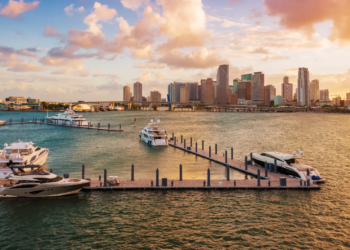
Miami and South Florida are among the most recognizable hurricane-prone areas in the country.
Located along Florida’s Atlantic coast, the region is exposed to tropical systems moving through the Caribbean and western Atlantic. NOAA’s historical hurricane records provide more than a century of storm data that can be used to examine the area’s exposure.
For homeowners, the risks extend beyond wind. Coastal properties can also face storm surge and flooding, making the property’s exact location an important consideration.
2. Key West, Florida
Key West’s location in the Florida Keys puts it in a particularly exposed position during the Atlantic hurricane season.
The island’s low-lying geography and surrounding waters can increase concerns around storm surge and flooding during major storms.
For buyers, looking at a home’s distance from the water is only part of the equation. Elevation, flood exposure, construction and previous storm damage can all be important factors to investigate before purchasing.
3. New Orleans, Louisiana
New Orleans is particularly vulnerable to hurricanes because of its low-lying geography and surrounding waterways.
Hurricane Katrina in 2005 demonstrated how devastating the combination of hurricane winds, storm surge and flooding can be. The storm caused catastrophic flooding in the New Orleans area after the city’s flood-protection system was overwhelmed.
The experience also highlights why hurricane risk and flood risk shouldn’t be treated as the same thing.
For buyers, understanding a property’s flood exposure can be just as important as looking at its history of hurricane impacts.
4. Tampa, Florida
Tampa Bay’s location along Florida’s Gulf Coast makes hurricane exposure an important consideration for homeowners.
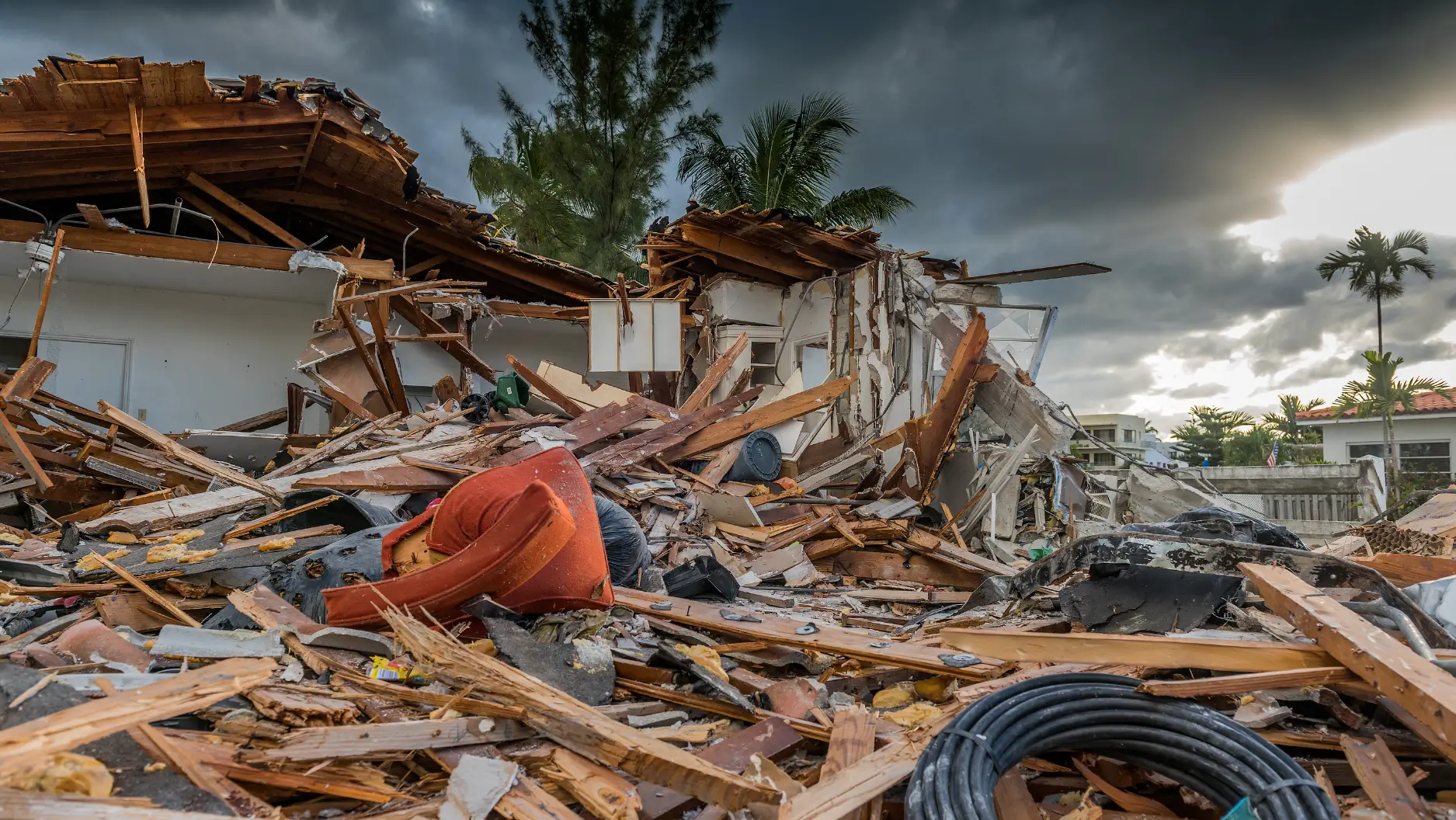
Hurricane Milton made landfall near Siesta Key, Florida, in October 2024 and caused widespread impacts across the state. NOAA estimated the storm’s total damage at approximately $34.3 billion.
NOAA also reported that Hurricane Milton caused flooding and widespread power outages and spawned tornadoes across Florida. NOAA’s 2024 climate assessment provides additional information about the storm.
The example demonstrates why a hurricane’s exact path matters. Communities across the region can experience different levels of wind, rainfall and storm-surge exposure depending on where a storm travels.
5. Charleston, South Carolina
Charleston’s coastal location makes it vulnerable to tropical systems moving along the Atlantic coast.
The city and surrounding communities can experience several hurricane-related hazards, including strong winds, storm surge and heavy rainfall.
For prospective homebuyers, that means hurricane risk isn’t determined simply by a home’s distance from the ocean. Elevation, drainage, flood exposure and proximity to waterways can also affect a property’s vulnerability.
6. Wilmington, North Carolina
Wilmington sits along North Carolina’s southeastern coast, putting it within reach of Atlantic hurricanes and tropical storms.
Hurricane Florence in 2018 demonstrated how rainfall can become one of the most significant threats associated with a tropical system. The storm produced widespread flooding across parts of North and South Carolina.
7. Jacksonville, Florida
Jacksonville’s location in northeastern Florida puts it within reach of Atlantic hurricanes and tropical storms.
The city’s extensive network of rivers and waterways also makes flooding an important consideration for homeowners.
This is another example of why hurricane risk shouldn’t be measured solely by distance from the coast. Heavy rainfall from a tropical system can cause flooding well beyond the point of landfall.
8. Corpus Christi, Texas
Corpus Christi sits directly along the Texas Gulf Coast, making it vulnerable to hurricanes approaching from the Gulf of Mexico.
The region can face several hazards during a major storm, including strong winds, storm surge and flooding.
9. Houston, Texas
Houston is an important example of why hurricane risk isn’t simply about direct landfalls.
Hurricane Harvey caused catastrophic flooding across the Houston area in 2017, despite the storm not passing directly over the city.
NOAA’s Historical Hurricane Tracks resource specifically demonstrates how expanding the search radius around a location can reveal storms that affected a community without passing directly over it.
For homebuyers, the lesson is important: hurricane exposure can extend far past the immediate coastline.
10. Galveston, Texas
Galveston has one of the most notable hurricane histories in the United States.
Its location on a barrier island along the Texas Gulf Coast makes storm surge and high winds important considerations for residents.
The city was devastated by the Galveston hurricane of 1900, one of the deadliest natural disasters in U.S. history.
Today, buyers considering Galveston should look beyond historical hurricane frequency and investigate the specific risks associated with a property, including flood exposure, elevation and construction.
How Common Are Costly Hurricanes in the U.S.?
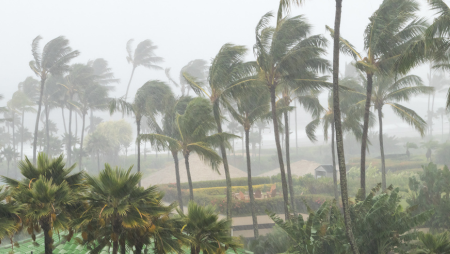
The financial impact of hurricanes can be enormous.
According to NOAA’s Billion-Dollar Weather and Climate Disasters database, the U.S. experienced 67 tropical cyclone disasters that caused at least $1 billion in damage between 1980 and 2024.
Across all types of weather and climate disasters, the U.S. recorded 403 billion-dollar events during that period, with total costs exceeding $2.9 trillion.
Hurricanes and tropical storms can therefore have significant financial consequences for homeowners, communities and local economies.
What Should Buyers Look For in a Hurricane-Prone Area?
Buying a home in an area with hurricane exposure doesn’t necessarily mean buying a home that will experience severe damage.
Instead, buyers should investigate the specific property.
Check the Flood Zone
Before purchasing, look up the property’s flood zone and determine whether it is vulnerable to coastal or inland flooding.
- Consider Elevation: A property’s elevation can affect its exposure to flooding and storm surge.
- Research Previous Storm Damage: Ask whether the home has experienced hurricane or flood damage in the past and whether repairs were completed.
- Check the Roof: The condition and age of a home’s roof can be especially important in an area exposed to high winds.
- Look at Windows and Doors: Impact-resistant windows, shutters and reinforced doors can provide additional protection against strong winds and flying debris.
- Understand Insurance: Buyers should understand what their homeowners insurance covers and whether separate flood insurance may be required or recommended.
- Research Evacuation Routes: For coastal properties, buyers may also want to understand local evacuation routes and plans before purchasing.
The Bottom Line
Many of the U.S. communities with significant hurricane exposure are also popular places to live, from Florida’s Atlantic and Gulf coasts to communities along the Texas and Louisiana coastlines.
Hurricane risk doesn’t necessarily mean buyers should avoid these areas. Instead, it means understanding the risks before making one of the biggest purchases of your life.
If you’re considering a home in a hurricane-prone area, look beyond the listing photos and asking price. Research the property’s flood exposure, elevation, construction, insurance considerations and storm history.
The more you know about a property’s potential risks, the better prepared you can be to make an informed homebuying decision.
Looking to find the right home for you? Zoocasa can help. Reach out today.