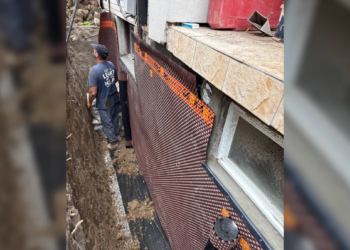
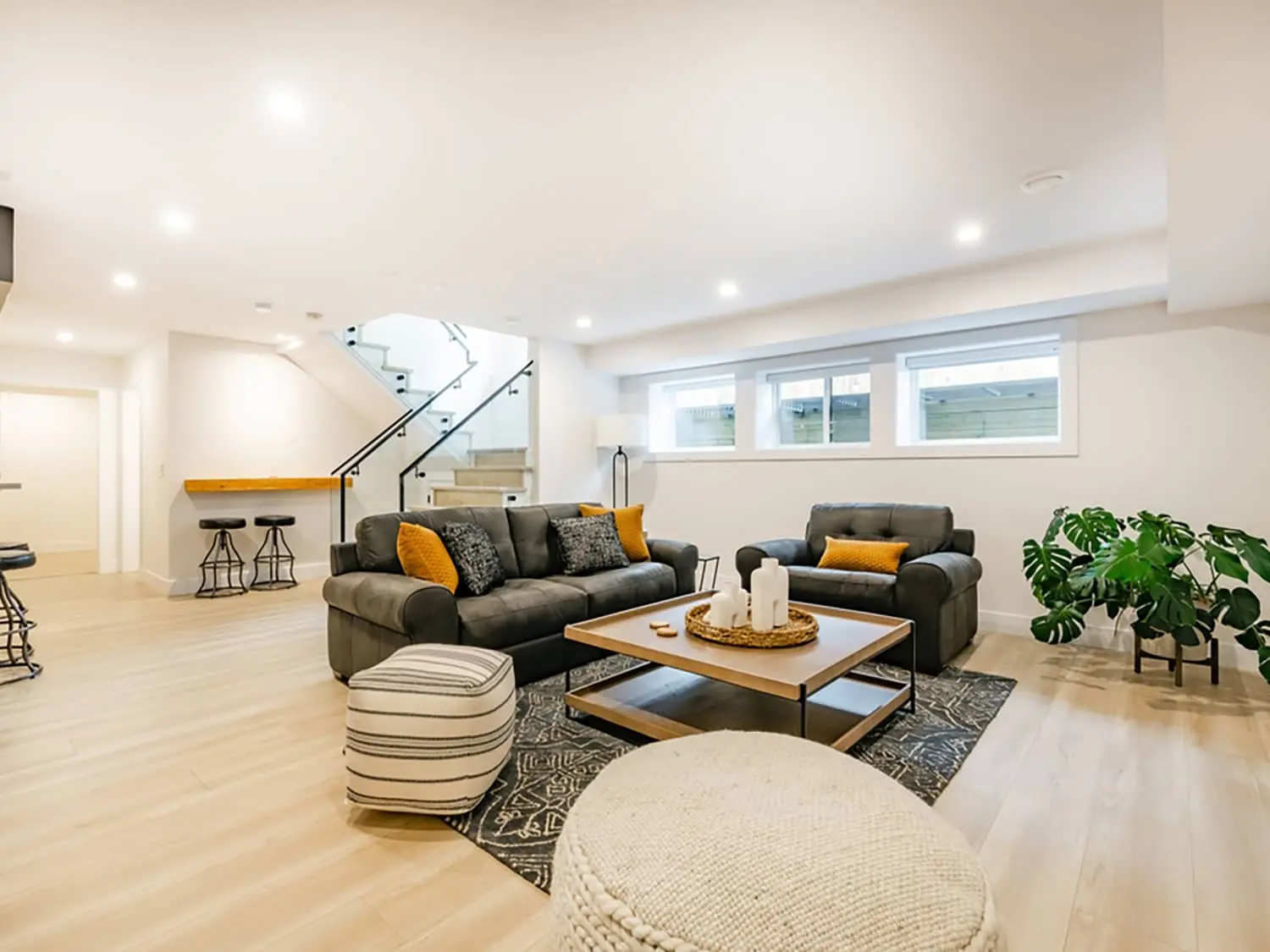
Insulation plays a key role in maintaining a comfortable indoor temperature and managing energy consumption. In a basement apartment, it is especially important because much of the unit is surrounded by foundation walls and concrete floors, which can feel cold during the winter.
Proper insulation helps maintain more consistent indoor temperatures, reduce heat loss, and improve energy efficiency. According to the Ontario Building Code’s Supplementary Standard SB-12, energy-efficiency requirements for housing include insulation provisions for basement walls and certain below-grade floor assemblies.
The specific requirements depend on factors such as the building’s construction date, the nature of renovations, and the applicable building-code provisions. Therefore, renters should not assume that every existing basement apartment must meet all the requirements of the newest building code.
How Much Does It Cost to Heat a Basement Apartment in Ontario?
Heating expenses are an important consideration when budgeting for a basement rental, especially if the tenant pays for electricity or natural gas. Expenses depend on apartment size, insulation quality, heating equipment, thermostat settings, outdoor temperatures, and applicable utility rates.
The Ontario Energy Board publishes electricity pricing information and explains the different pricing structures available to residential customers. Renters can consult its electricity rates and billing information to better understand how electricity pricing may affect their monthly expenses.
Are utilities included in basement apartment rent?
Not necessarily. In Ontario, responsibility for utilities should be clearly established in the tenancy agreement. The provincial government’s Guide to Ontario’s Standard Lease explains how landlords and tenants document responsibility for services and utilities, including electricity, heat, and water.
If the basement apartment shares utilities with the main household, tenants should ask how expenses are calculated and what portion they will be expected to pay. Confirming these details in writing can help prevent disagreements and unexpected costs.
What Are Ontario’s Legal Heating Requirements for Rental Apartments?
Ontario has minimum heating requirements for residential rental properties. Under Section 15 of Ontario Regulation 517/06, landlords are generally required to maintain heating equipment capable of keeping habitable spaces at a minimum temperature of 20°C. The regulation specifies that the temperature is measured at 1.5 metres above floor level and one metre from exterior walls. There is also an exception to the minimum-temperature requirement where tenants control the temperature and the primary heating source can maintain at least 20°C.
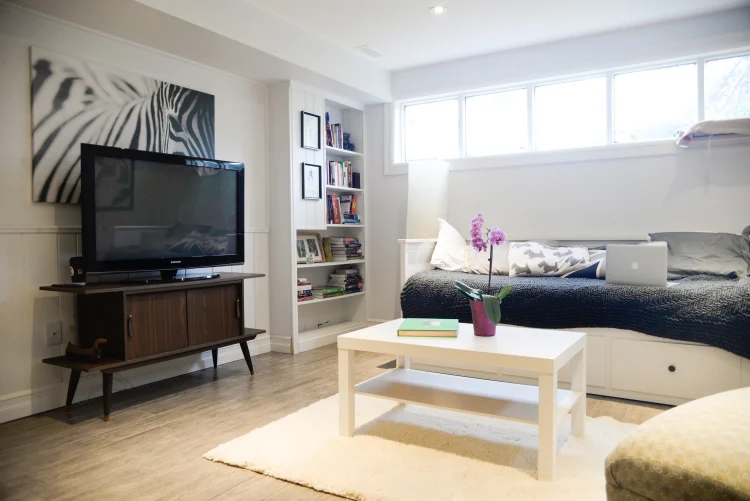
Ontario’s standard lease guidance also identifies September 1 to June 15 as the standard provincial heating period, although municipalities may have additional or stricter requirements.
If a basement apartment consistently falls below the applicable minimum temperature, tenants should document the issue and notify their landlord in writing. If the problem remains unresolved, they can contact their municipality’s property standards department or seek guidance from the Landlord and Tenant Board.
Signs That a Basement Apartment May Have Poor Insulation
Not every basement apartment is uncomfortable or expensive to heat. However, certain warning signs can indicate inadequate insulation, air leaks, or moisture problems. Look for cold walls and floors, drafty windows, uneven room temperatures, condensation, and musty smells. Moisture deserves particular attention because it can contribute to mold growth. Health Canada explains that controlling moisture and addressing water problems are important steps in preventing indoor mold.
A dehumidifier may help manage excess humidity, but it is not a substitute for repairing leaks or addressing underlying moisture problems.
How to Keep Heating Costs Down in a Basement Apartment
Even if a basement apartment has adequate insulation, there are practical ways tenants can manage energy use and improve indoor comfort.
Keeping heating vents clear, using curtains strategically, addressing drafts, and maintaining appropriate indoor humidity can all contribute to a more comfortable living environment. Health Canada recommends managing moisture, improving ventilation, and using kitchen and bathroom exhaust fans to help reduce indoor humidity and prevent mold growth.
Tenants should notify their landlord about significant drafts, damaged windows, or other building deficiencies before attempting permanent repairs themselves.
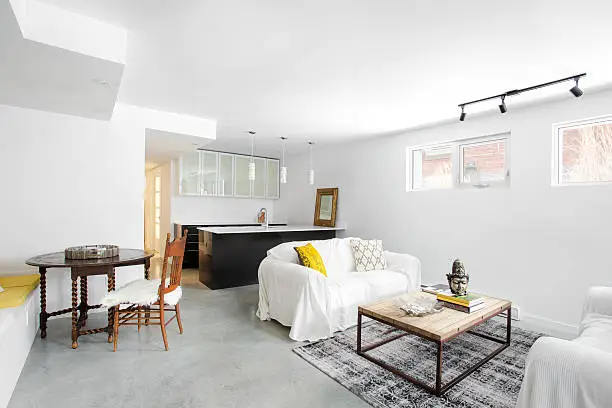
Are Basement Apartments in Ontario Required to Meet Building Code Requirements?
Secondary units in Ontario must comply with applicable building and safety requirements. However, the precise requirements depend on the property’s construction date, renovation history, and applicable regulations.
According to the Government of Ontario, homeowners adding a second unit must consider zoning requirements, building permits, fire safety, exits, ceiling heights, and heating and ventilation systems.
For renters, this is particularly important because building-code considerations extend beyond insulation. Fire separation, smoke and carbon monoxide alarms, safe exits, and adequate ventilation are also important features of a safe basement apartment. A well-insulated basement apartment is not necessarily a legally compliant one. Renters can contact their local municipal building department if they have concerns about a secondary suite’s compliance or safety.
Looking for your new home? Search Zoocasa for homes and expert advice.