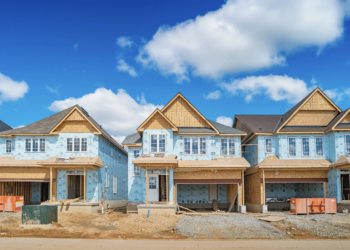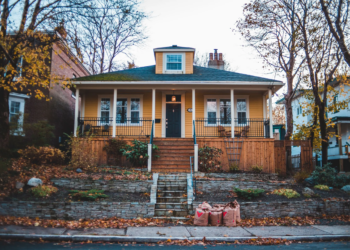
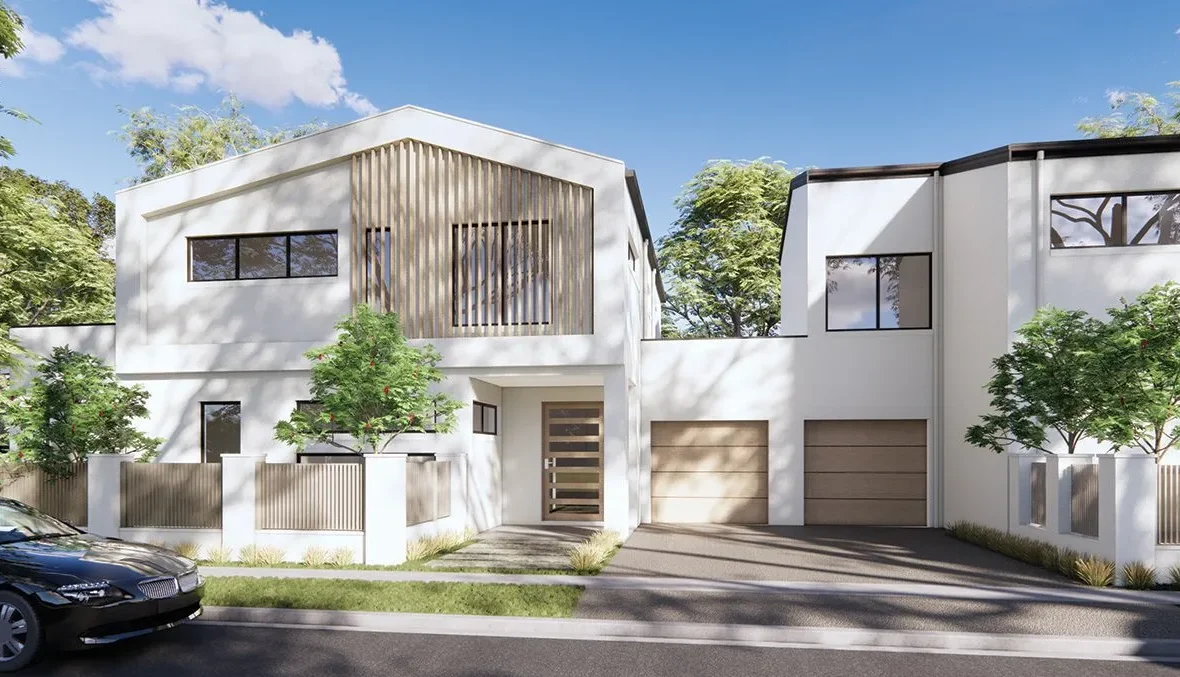
Owning a home while earning rental income sounds like an ideal arrangement for buyers looking to make homeownership more affordable. But what if you could purchase a duplex, live in one unit, and rent out the other?
This setup, often called owner-occupied duplex living or house hacking, allows homeowners to generate rental income while maintaining their own private living space. It can help offset mortgage payments, build equity, and provide an additional source of income without requiring investors to purchase a separate rental property.
The good news is that yes, you can generally live in one side of a duplex and rent out the other in Canada. However, there are important considerations involving mortgage requirements, landlord responsibilities, insurance, taxes, and local rental regulations.
Here’s what prospective duplex buyers should know before making the investment.
Can You Legally Live in One Side of a Duplex and Rent Out the Other?
In most cases, yes. A duplex is designed to accommodate two separate residential units, making it possible for an owner to occupy one side while leasing the other to a tenant.
However, the property must be legally recognized as a duplex, and both units must comply with applicable building codes, zoning bylaws, and fire safety requirements.
Buyers should verify that:
- The property is legally classified as a duplex or two-unit dwelling.
- Both units have the necessary permits and approvals.
- Each unit meets local fire and building safety standards.
- The rental arrangement complies with municipal bylaws and provincial tenancy legislation.
This distinction is important because some properties advertised as duplexes may actually be single-family homes with an unauthorized secondary suite. Renting out an unapproved unit could create legal, insurance, and safety complications.
What to check: Before purchasing, contact the municipality to confirm the property’s zoning, permitted residential use, and legal unit status. In Ontario, buyers can also consult their local building department and review applicable requirements under the Ontario Building Code and Fire Code.

Can You Use Rental Income to Help Qualify for a Mortgage?
One of the biggest advantages of buying an owner-occupied duplex is that rental income may help buyers qualify for financing.
When applying for a mortgage, lenders may consider the expected or existing rental income from the second unit when assessing a buyer’s ability to manage monthly housing costs. This can make a duplex more financially accessible than a comparable single-family home, although the amount of rental income accepted varies by lender and mortgage program.
According to the Canada Mortgage and Housing Corporation (CMHC), lenders may consider up to 100% of the gross rental income from a secondary suite in a two-unit owner-occupied property when calculating debt service ratios for mortgage loan insurance applications. This is subject to applicable underwriting requirements.
For prospective buyers, this means rental income could help offset the financial burden of:
- Monthly mortgage payments
- Property taxes
- Utilities and maintenance
- Home insurance
- Other homeownership expenses
However, buyers should not assume that all rental income will count toward their mortgage application. Lenders may use different calculations, request a signed lease agreement, or apply a percentage of the expected rent.
What Are the Tax Implications of Renting Out Half a Duplex?
While living on one side of a duplex can provide rental income, homeowners should understand that the money earned is generally taxable.
The Canada Revenue Agency (CRA) requires property owners to report rental income on their annual tax returns. However, landlords can generally deduct eligible expenses associated with earning that income.
Common deductible expenses may include:
- Mortgage interest (not the principal portion of mortgage payments)
- Property taxes
- Landlord insurance
- Utilities paid by the owner
- Repairs and maintenance
- Advertising and property management fees
When a property has both personal and rental uses, expenses that apply to the entire building must be reasonably divided between the owner’s unit and the rental unit. Homeowners can use factors such as square footage or the number of rooms to determine the rental portion of shared expenses, according to the CRA.
There is another important consideration: the principal residence exemption. Although a duplex can qualify as a principal residence, renting out a separate, self-contained unit may affect the property’s tax treatment when it is eventually sold. The CRA generally considers a substantial and permanent conversion of part of a home into a rental unit a partial change in use.
However, certain exceptions and elections may apply. For example, the CRA may not consider there to be a change in use when the rental portion is relatively small, no structural changes are made, and capital cost allowance (CCA) is not claimed.
What this means: Before purchasing or converting a property into a rental, consult a tax professional to understand how rental income, deductible expenses, and the principal residence exemption may affect your situation.
What Landlord Responsibilities Come With an Owner-Occupied Duplex?
Living next door to your tenant does not eliminate your responsibilities as a landlord. In fact, owning an owner-occupied duplex means balancing your role as a homeowner with your legal obligations to a renter.
Although the specific rules vary across Canada, landlords generally need to:
- Maintain the rental unit in a good state of repair and fit for habitation.
- Ensure heating, plumbing, electrical, and other essential systems are functioning.
- Follow provincial or territorial tenancy legislation.
- Respect tenant privacy and provide legally required notice before entering the unit.
- Handle maintenance requests and necessary repairs.
- Follow applicable rules for rent increases, deposits, and ending a tenancy.
Does Living in a Duplex Affect Your Home Insurance?
Yes. A standard homeowner’s insurance policy may not automatically cover the risks associated with having a tenant. Buyers should notify their insurance provider before renting out the second unit and confirm that their policy reflects the property’s owner-occupied, multi-unit arrangement.
Depending on the policy, additional or different coverage may be needed for: Damage to the rental unit, Landlord liability, Rental income loss following an insured event, Damage caused by tenants or shared structures and common areas
Tenants should also be encouraged to obtain their own tenant insurance to protect their personal belongings and provide personal liability coverage.
Important: Never assume an existing homeowner’s policy automatically covers rental activity. Confirm the details with an insurance provider before a tenant moves in.
What Are the Pros and Cons of Living in One Side of a Duplex?
Before purchasing a duplex, buyers should weigh the financial benefits against the responsibilities of being a landlord.
One of the biggest advantages is the ability to build wealth through two income streams: personal homeownership and rental income. Rather than paying for an entire property without assistance, homeowners can use rent collected from the second unit to reduce their out-of-pocket housing costs.
However, the arrangement is not entirely passive. Homeowners must be prepared for tenant turnover, maintenance requests, unexpected expenses, and periods when the rental unit is vacant.
There is also the lifestyle consideration. Sharing a building with tenants means being close to their everyday activities, which can be convenient for maintenance but may require clear boundaries.
What Should You Look For When Buying an Owner-Occupied Duplex?
If you’re considering buying a duplex to live in while renting out the other unit, it’s important to evaluate the property as both a home and an investment.
Here are some factors to consider before making an offer:
Separate entrances and utilities: Independent entrances, electrical meters, and heating systems can make managing two households easier. Separate utilities can also simplify billing arrangements.
Rental demand: Research average rental prices and vacancy trends in the neighbourhood. A property in an area with strong rental demand may offer more consistent income potential.
Property condition: Inspect both units, including plumbing, electrical systems, roofing, insulation, and shared infrastructure. Older duplexes may require significant repairs.
Parking and outdoor space: Determine whether each household has adequate parking and access to outdoor amenities. Shared driveways and yards should have clearly established arrangements.
Potential rental income versus expenses: Calculate how much rent you could reasonably collect and compare it with mortgage payments, property taxes, insurance, utilities, maintenance, and other costs. Remember that rental income is not the same as profit.
Legal status: Confirm that both units are authorized for residential use and that the property complies with local regulations.
A real estate agent experienced in multi-unit properties can help buyers evaluate rental potential, identify potential concerns, and understand the local market before purchasing.

Is Buying a Duplex and Renting Out One Side Worth It?
For buyers looking to enter the rental market without purchasing a separate investment property, living in one side of a duplex and renting out the other can be a practical way to combine homeownership with real estate investing.
Ultimately, an owner-occupied duplex can offer the best of both worlds: a place to call home and an opportunity to generate rental income. With proper research and financial planning, it can be a worthwhile strategy for buyers looking to make their real estate investment work harder.
Looking for your next rental project? Search Zoocasa for homes and expert advice.