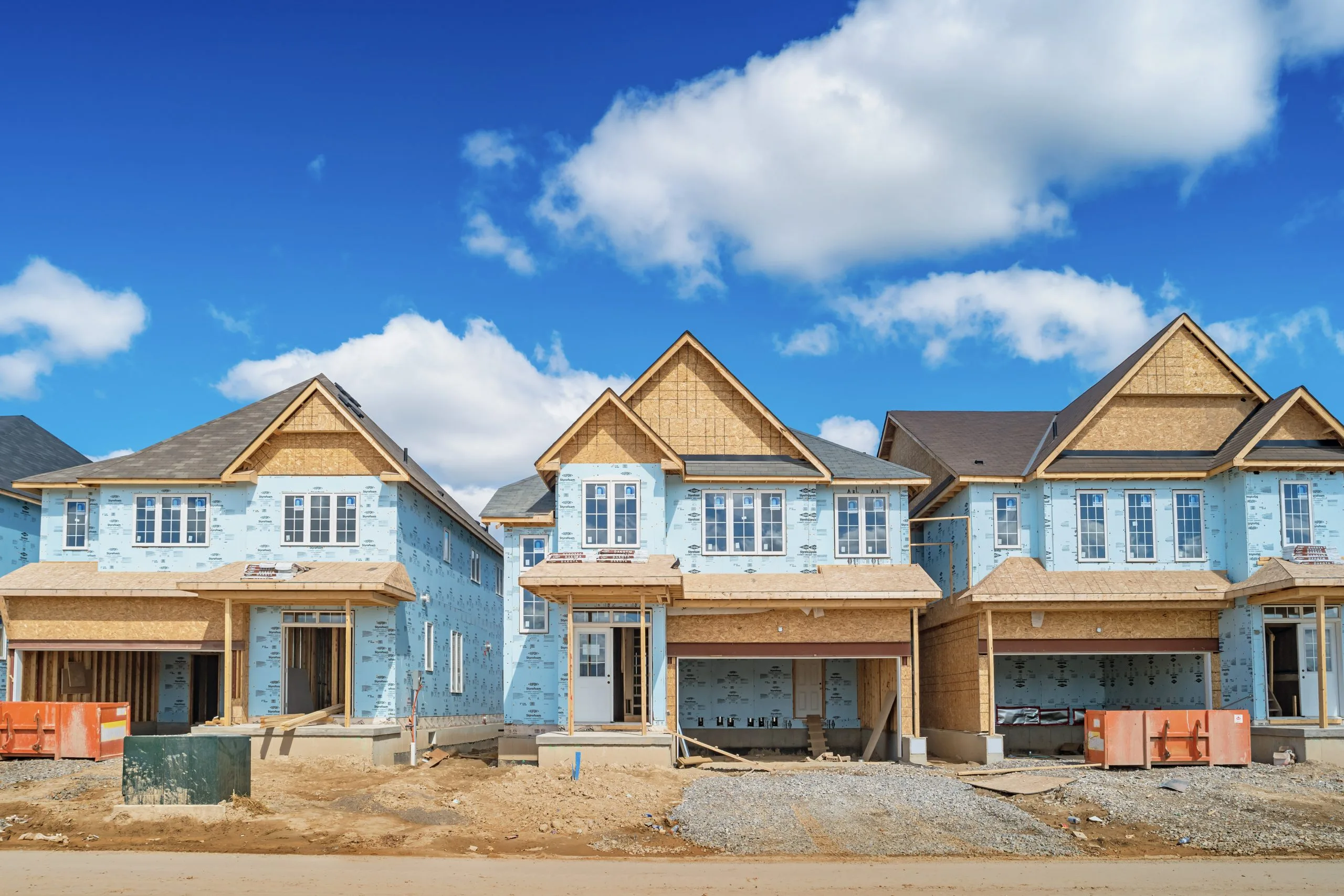
Buying a home is one of the biggest financial decisions Canadians make, but what if the home you’re purchasing hasn’t even been built yet? Pre-construction homes offer buyers the opportunity to purchase a brand-new property built to current building codes and standards, with modern features and systems that shouldn’t require major repairs right away. Unlike older resale homes, buyers may have peace of mind knowing that costly maintenance projects, such as roof replacements, aging plumbing or outdated electrical systems, are unlikely to be immediate concerns.
Pre-construction properties can also offer the opportunity to customize finishes, choose certain upgrades and spread deposit payments over time. However, buying a home that doesn’t yet exist comes with its own set of financial considerations and uncertainties.
From potentially securing a purchase price ahead of completion to navigating construction delays and unexpected closing costs, there are several factors to weigh before signing a pre-construction agreement.
Here’s a closer look at the pros and cons of buying a pre-construction home in Canada and what prospective buyers should know before making a commitment.
What Is a Pre-Construction Home?
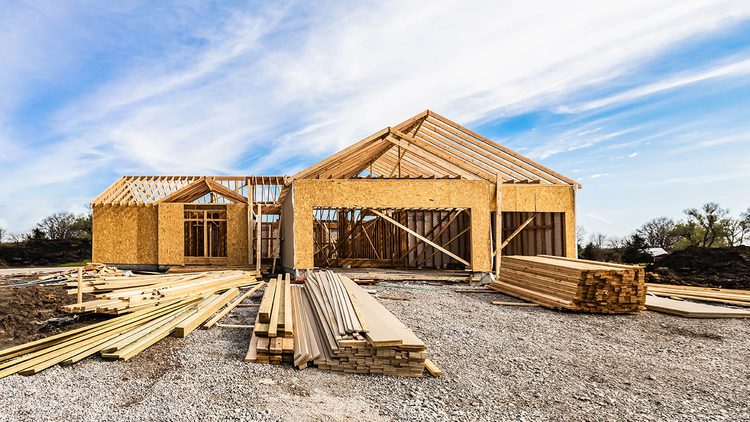
A pre-construction home is a property purchased directly from a builder or developer before or while construction has begun. These properties can include detached houses, townhomes and condominium units.
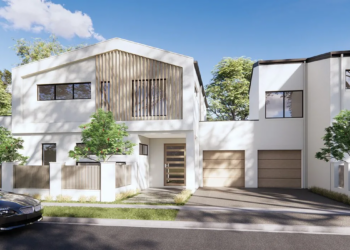
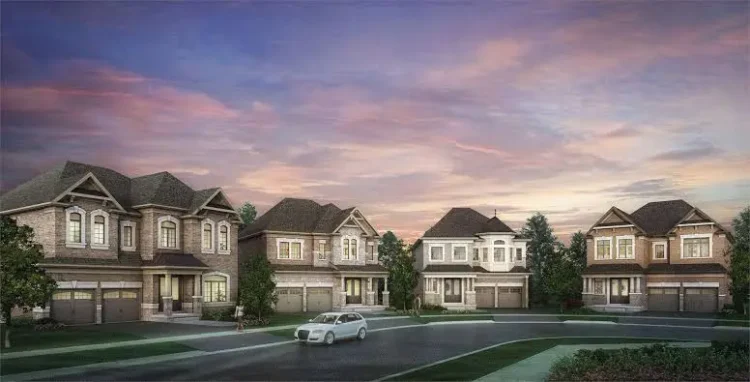
When buying a resale property, buyers can tour the finished home and assess its condition. In contrast, pre-construction buyers typically make their decision using floor plans, architectural renderings, model suites and promotional materials. Depending on the development and construction stage, buyers may also have the opportunity to select certain finishes, fixtures and upgrades.
However, the process can involve a considerable waiting period. Buyers may need to wait several months or even years before their property is ready for occupancy.
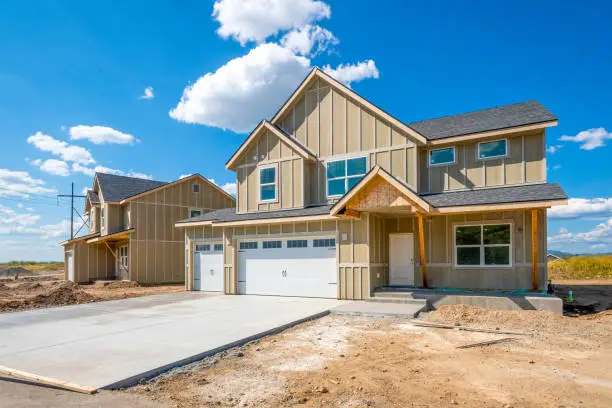
The Pros of Buying a Pre-Construction Home
1. More Time to Save for Your Down Payment
One of the biggest advantages of buying pre-construction is that the deposit is often paid in installments rather than as one lump sum. Developers typically establish a deposit schedule in the purchase agreement, allowing buyers to spread their payments over several months or longer.
For example, a buyer purchasing a $600,000 property with a hypothetical 20% deposit would need to contribute $120,000. If the builder allows that amount to be paid over 12 months, the cost can be spread in instalments throughout the year rather than as a single upfront amount. This can make budgeting more manageable, particularly for first-time buyers who are still building their savings.
However, a smaller initial payment doesn’t necessarily mean a less expensive purchase. Buyers should understand the complete deposit schedule and ensure they can meet every deadline.
2. Opportunities to Customize Your Home
Another major benefit is having some control over the finished product.
Depending on the builder and construction stage, buyers may be able to select kitchen cabinetry, countertops, flooring, bathroom finishes and other design features. Some developments also offer optional upgrades, allowing homeowners to tailor certain aspects of the property to their preferences. That way, the homes can reflect their personal style without having to budget for renovations after moving in. However, customization options are not unlimited. Structural changes and certain upgrades may not be permitted, and additional selections can increase the final purchase cost.
3. Potentially Benefit From Future Property Appreciation
One of the biggest financial considerations when buying pre-construction is the possibility that the property could increase in value before completion. Imagine purchasing a pre-construction townhouse for $650,000 with an expected completion date three years later. If comparable properties in the neighbourhood are worth $700,000 when construction is finished, the buyer could potentially benefit from the difference. But this is not guaranteed.
Property values can also decline, meaning buyers could find themselves committed to paying more than the home’s market value when it is completed. The Bank of Canada’s housing market research and local real estate market data can help buyers understand broader economic conditions, but neither can guarantee future appreciation. Unlike buyers purchasing an existing home, pre-construction buyers must also weigh what the market might look like by the time their home is ready.
4. Newer Features and Less Immediate Maintenance
A newly constructed home generally comes with modern layouts, newer appliances, contemporary building materials and updated mechanical systems. Compared with an older resale property, there may be fewer immediate concerns about replacing an aging roof, upgrading outdated electrical systems or renovating an older kitchen.
New homes may also offer improved energy-efficiency standards, depending on when and how the property is built. Features such as improved moisture and air barriers, modern windows and more efficient heating and cooling systems can contribute to lower energy consumption over time.
Another consideration is the added protection that comes with purchasing a qualifying new home. In Ontario, eligible new homes are covered under the province’s mandatory new-home warranty program, administered by Tarion’s warranty program. The program includes one-year coverage for workmanship and materials, two-year coverage for certain major systems and water-related issues and seven-year coverage for qualifying major structural defects.
The Cons of Buying a Pre-Construction Home
1. Construction Delays Can Disrupt Your Plans
Perhaps the biggest disadvantage of buying pre-construction is the uncertainty surrounding completion dates.
Construction projects can experience delays because of labour shortages, weather conditions, material costs, financing challenges and permitting issues. For buyers, this can create complications when coordinating a lease expiration, selling an existing property or planning a move.
Canada’s construction market also highlights why timelines deserve attention. According to CMHC’s Fall 2025 Housing Supply Report, condominium apartment starts declined in most major markets as slower pre-sales contributed to project delays and cancellations. Even when units are being marketed and sold, there is no guarantee the development will be completed.
2. Unexpected Closing Costs Can Add Up
The advertised purchase price isn’t necessarily the final amount buyers will pay. Depending on the property and purchase agreement, buyers may also encounter additional expenses including:
- Development levies and municipal charges
- Utility connection and meter installation fees
- Legal fees and title insurance
- Land transfer taxes and municipal land transfer tax, where applicable
- HST-related adjustments, where applicable
- Additional charges for upgrades and finishes
- Builder charges related to Tarion enrolment fees in Ontario, where applicable
For pre-construction condominium buyers, interim occupancy fees are another important consideration.
In Ontario, interim occupancy allows a buyer to move into their condo before the building is registered and ownership is legally transferred. During this period, buyers must pay an occupancy fee that can include interest on the unpaid purchase balance, estimated property taxes and projected common expenses.
Importantly, these payments do not go toward paying down the mortgage.
3. Your Mortgage Approval and Financial Situation Could Change
Another challenge occurs when buyers don’t obtain their final mortgage financing until closer to the closing date, especially when purchasing a home years in advance. Interest rates, lending requirements, employment circumstances and household income can all change between signing the purchase agreement and taking possession.
For example, a buyer who qualifies for a mortgage today may have a different financial situation when the property is ready. Even if the purchase price is locked in, the mortgage rate and borrowing conditions may not be. Buyers should speak with a mortgage professional about their financing options and avoid assuming that today’s pre-approval guarantees future mortgage approval.
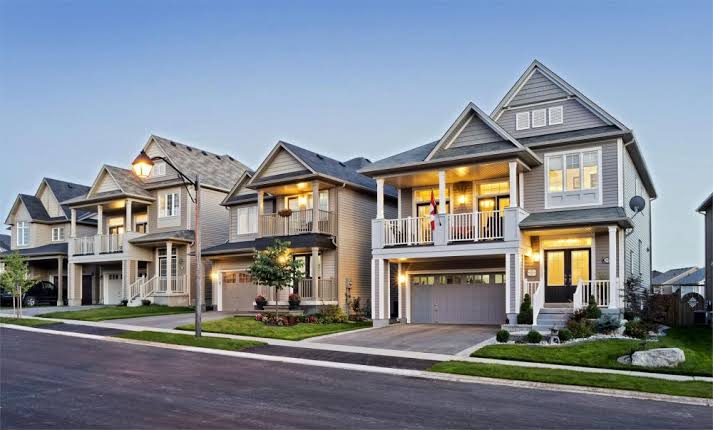
4. You Can’t Fully Inspect What You’re Buying
Buying a pre-construction home means making a significant investment without being able to see the finished property. Although model homes and renderings can provide an idea of the final product, the completed home may differ in certain ways.
Buyers should pay close attention to the purchase agreement, floor plans, finish schedules and disclosure documents to understand what the builder is actually obligated to provide. There may also be differences between the advertised amenities and what is available when the building opens.
This makes reviewing the contract with a real estate lawyer especially important.
Pre-Construction Home Buying: What Do the Numbers Say?
Pre-construction purchases are closely tied to Canada’s broader housing construction landscape.
According to Housing, Infrastructure and Communities Canada, 258,026 homes were completed across Canada in 2025. Of those:
- 44% were intended for the rental market.
- 31% were intended for homeownership.
- 25% were condominiums.
Additionally, Canada issued residential building permits for 307,303 dwelling units in 2025, representing a 6% increase from 2024. These figures highlight the scale and changing composition of Canada’s housing construction industry. However, building permits represent potential future construction, not completed homes or guaranteed move-in dates.
For buyers considering pre-construction, the number of developments being advertised doesn’t necessarily tell the whole story. It’s important to research whether projects are progressing through the necessary approval and construction stages.
What to Know Before Signing a Pre-Construction Agreement
Before committing to a pre-construction property, buyers should do their due diligence. Here are a few important steps to take:
- Research the builder: Review previous developments, construction history, customer feedback and any regulatory or disciplinary records. Check if the builder is properly licensed or registered in your province or territory, and look into any available regulatory or disciplinary history.
- Review the purchase agreement: Have a real estate lawyer examine the agreement and its addendum, including deposit schedules, closing costs, occupancy dates, cancellation clauses and provisions for potential delays.
- Understand deposit protection: Warranty and deposit protection rules vary across provinces. Confirm how much of your money is protected and under what circumstances.
- Budget for additional expenses: Account for upgrades, closing adjustments, legal fees and potential interim occupancy payments.
- Consider your future finances: Make sure you can manage the purchase even if interest rates, income or household circumstances affect your ability to qualify for financing at closing.
In Ontario, buyers can use the Home Construction Regulatory Authority’s Ontario Builder Directory to check a builder’s licence and review available information about its history.
Ontario buyers purchasing pre-construction condominiums also receive a 10-day cooling-off period after receiving the required purchase documents, disclosure statement and Condo Buyers’ Guide. This provides an opportunity to have the agreement reviewed and reconsider the purchase.
Is Buying a Pre-Construction Home Worth It?
Buying a pre-construction home can be a worthwhile option for buyers who have a flexible timeline, want a newer property and are comfortable navigating the uncertainties of a developing project. However, it isn’t necessarily the best choice for everyone.
Buyers who need a guaranteed move-in date, prefer to inspect a finished property or want more certainty around their financing may find a resale home more suitable. The decision comes down to balancing the potential benefits of customization, newer construction and future market opportunities against the financial and timing risks.
A pre-construction home might offer the opportunity to plan for your future, but it’s important to remember that you’re investing in a property that hasn’t been built yet. Doing your research before signing can help ensure that the home you eventually receive is worth the wait.
Looking for the perfect home that fits your lifestyle? Search homes and get expert advice on Zoocasa.