By: Renohood
Cottage life is terrific, whether you use it as a summer getaway or live there year-round. The key to successful cottage living is keeping your property in good condition. Most of the time, routine maintenance on common areas of vulnerability for your home go a long way towards preventing costly budget-buster repairs.
Making some small home renovations to your cottage may be worth the effort. The Canadian government had also proposed measures for Government Home Renovation Grants & Rebates encouraging people to consider eco-friendly real estate options.
Cottage Maintenance Areas of Priority
When considering which areas of your cottage to upgrade or maintain on a limited budget, you need to prioritize. Structural elements of your cottage should be the first area to consider, as they are the basis of your home.
Roofing
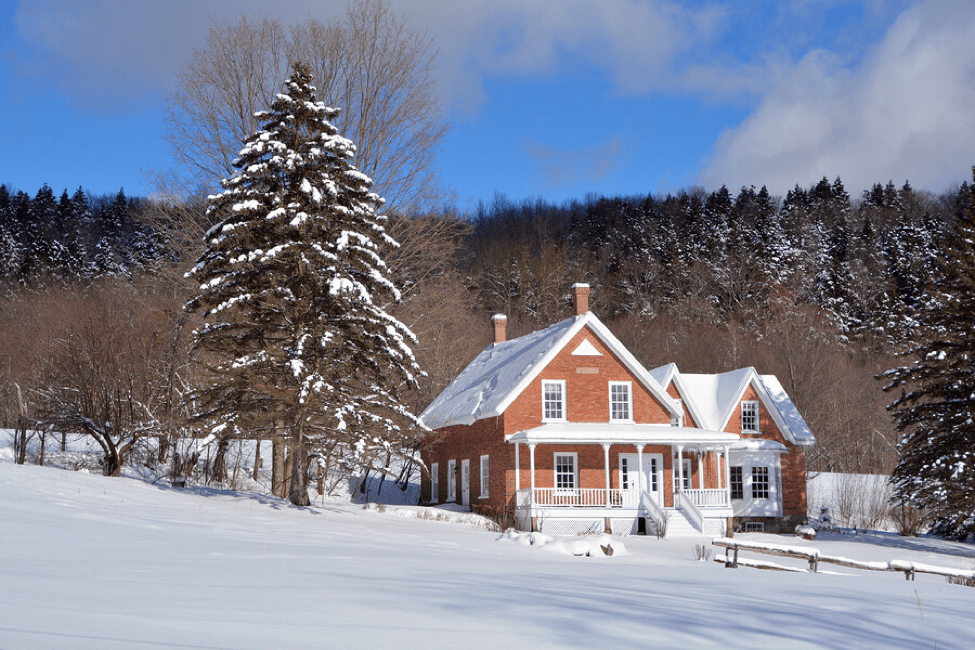
The roof of your cottage takes a lot of damage during the off-season, due to winds, ice, snow, falling branches, and the freeze-thaw cycles. Ice buildup results when warm air in the attic spaces melts the bottom layer of snow on your cottage roof. This melted layer then refreezes at the eaves, causing icicles. Icicles signal that meltwater and ice are sneaking back up onto the roof, penetrating the shingles, and allowing water to damage your roof.
Add a couple of roof vents to improve air circulation in the attic. Keep your cottage indoor temperature between 45F (7 degrees Celsius) and 50F (10 degrees Celsius) degrees when you are away. If you are at your cottage in the winter, remove heavy snowfall from the roof.
Basement
Keep an eye on the foundation of your cottage. Any cracks larger than a hairline need repair by a
Wooden elements
Maintain a no-rot protocol at your cottage, to keep the wood on the structure and decking or docks from falling prey to the elements. Spray a good wood preservative on any areas where wood touches wood or masonry every year.
Taking Care of Your Cottage’s Essentials
Functional elements of your cottage include windows, doors, plumbing, electrical, and any heating, air conditioning, or ventilation systems.
Windows and Doors
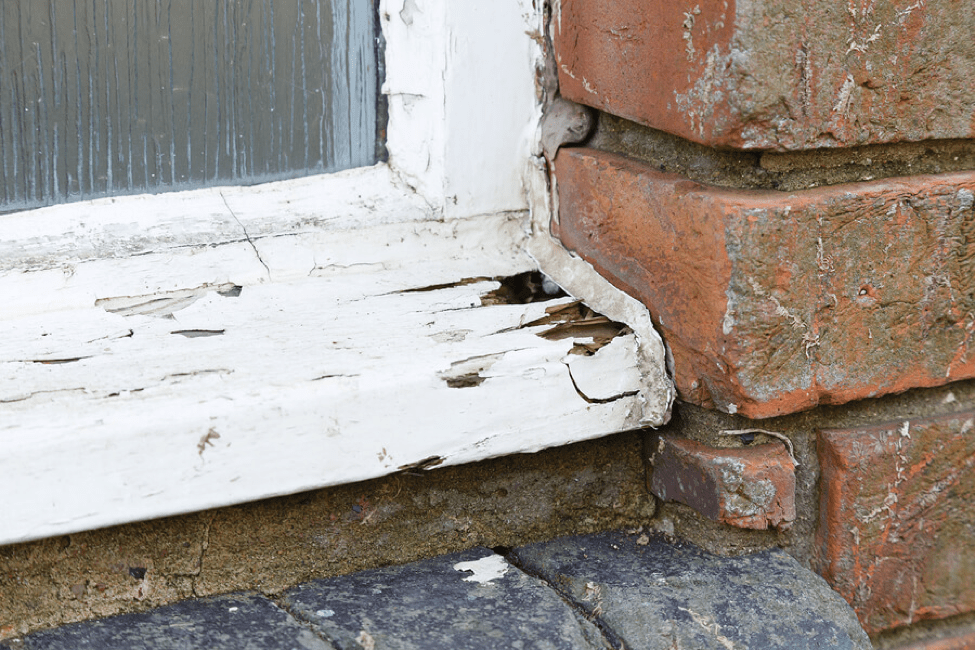
Inspect windows inside and out, ensuring caulking stays in good shape. One of the common and cost-effective window styles for a cottage is double-hung vinyl windows. These minimize air leaks to keep temperatures stable indoors. Double-hung windows can hold a standard air conditioner if you plan to use one during the hot summer days.
When it is time for updating your windows at your cottage, consider that the cost of replacement windows includes the savings on your energy spending. Look for a low “U-value” window to maximize the insulation value of the windows, as well as a high “R-value” to resist heat flow through the windows.
Do not neglect window screens. Cottage season is also insect season. Flies, mosquitoes, and gnats make life miserable without window screens in good repair. Replace or repair torn or damaged window screens and screen doors at the start of the season.
Every exterior door needs a solid caulked seal around the outside, to keep water from damaging the door frame. Doors that are not protected by an eave or awning take more of a beating from wind, rain, and snow. Eventually, the bottom outside wood of the door will rot. When a door shows signs of wood rot, replace the door.
Plumbing

Plumbing and your cottage water systems are one of the first places to look for problems when opening your cabin for the season. A good routine for closing your cottage for the winter helps prevent problems.
Most newer buildings use PEX for supply lines. PEX expands, so if the water inside freezes, it is less likely to freeze than typical black
Drainage
When closing the cottage for the season, use the drain plug on the water pump and remove all the water in your system. Drain the water heater, toilet tanks, and pressure tanks. Add RV-grade antifreeze to toilets and sink drains and use an air compressor to remove any pools of water from the pipes. If you plan to stay at the cabin for short vacations during the winter, leave the shower and faucets turned on to a trickle to prevent frozen supply lines. Repeat the closing maintenance sequence before leaving the cottage again.
Electrical
The electrical systems in many backcountry cabins may be outdated. Newer cottages should have grounded outlets and GFCI outlets near wet areas in kitchens and bathrooms. If your budget allows it, invest in a professional electrician to upgrade your cottage from old “two-hole” ungrounded outlets to grounded outlets. Upgrade old-style electrical panels from the fuse-style to the kind with breakers.
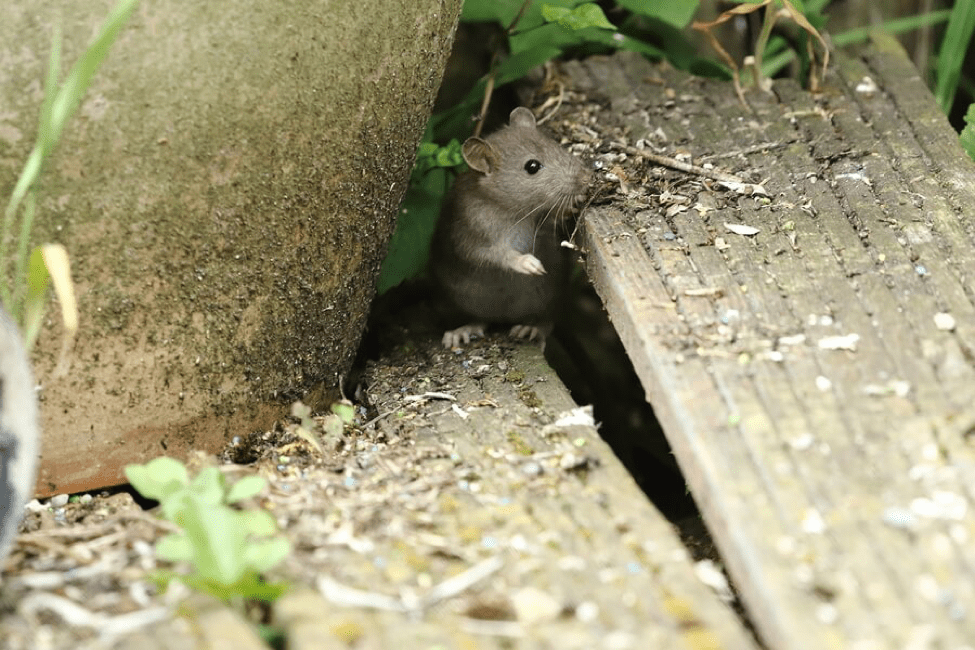
When you open your cottage for the spring, check the exterior for any downed power lines. Do not approach them. Check your electricity meter for damage. Call your power provider if there are signs of damage. Check inside the cottage for damage to wires that may have been done by gnawing wild animals. An electrician may also need to repair these issues.
HVAC System
If you have air conditioning, heating, or other ventilation systems, replace the air filters. Many cottages have ceiling fans. Fans help circulate air and significantly help cut the costs of running both air conditioning and heating. In summer, set the fan blades to spin counterclockwise, and in winter, set them to rotate clockwise. Many cottages also have wood stoves. Make sure the wood stove and stove pipes are securely joined at each joint.
Curb Appeal Practicality
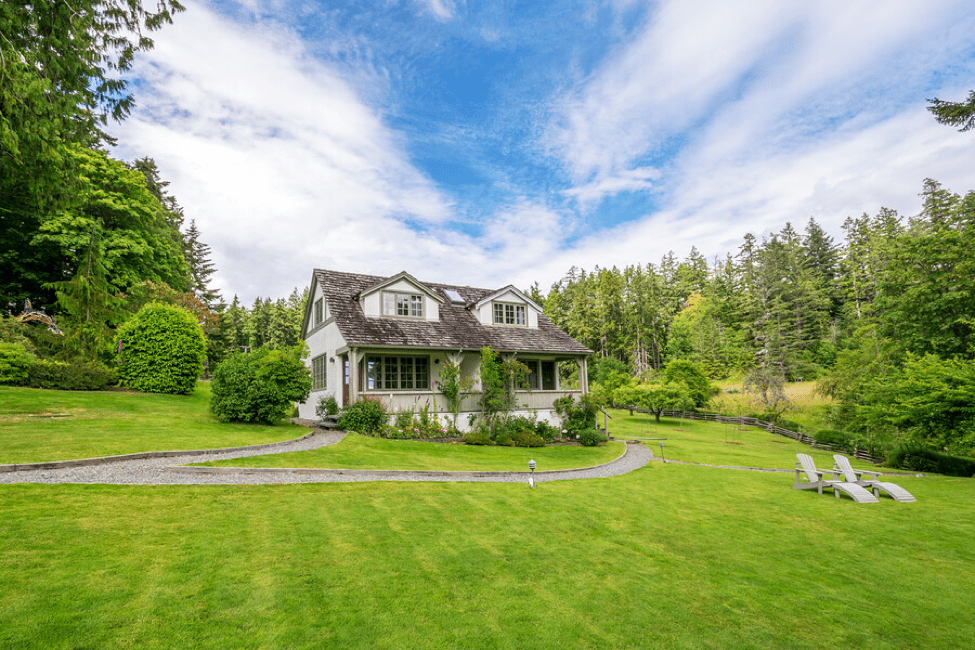
Other areas of your cottage need maintenance to keep healthy year-round. These include outside and inside finishes, gutters, decks and docks, landscaping, and wildlife management.
Landscaping
Keep trees and shrubs away from the roof, walls, and other wood surfaces. Vegetation management helps prevent rot, decay, and insect infestation, as well as minimizing the risk of winter winds bringing branches down on the cottage.