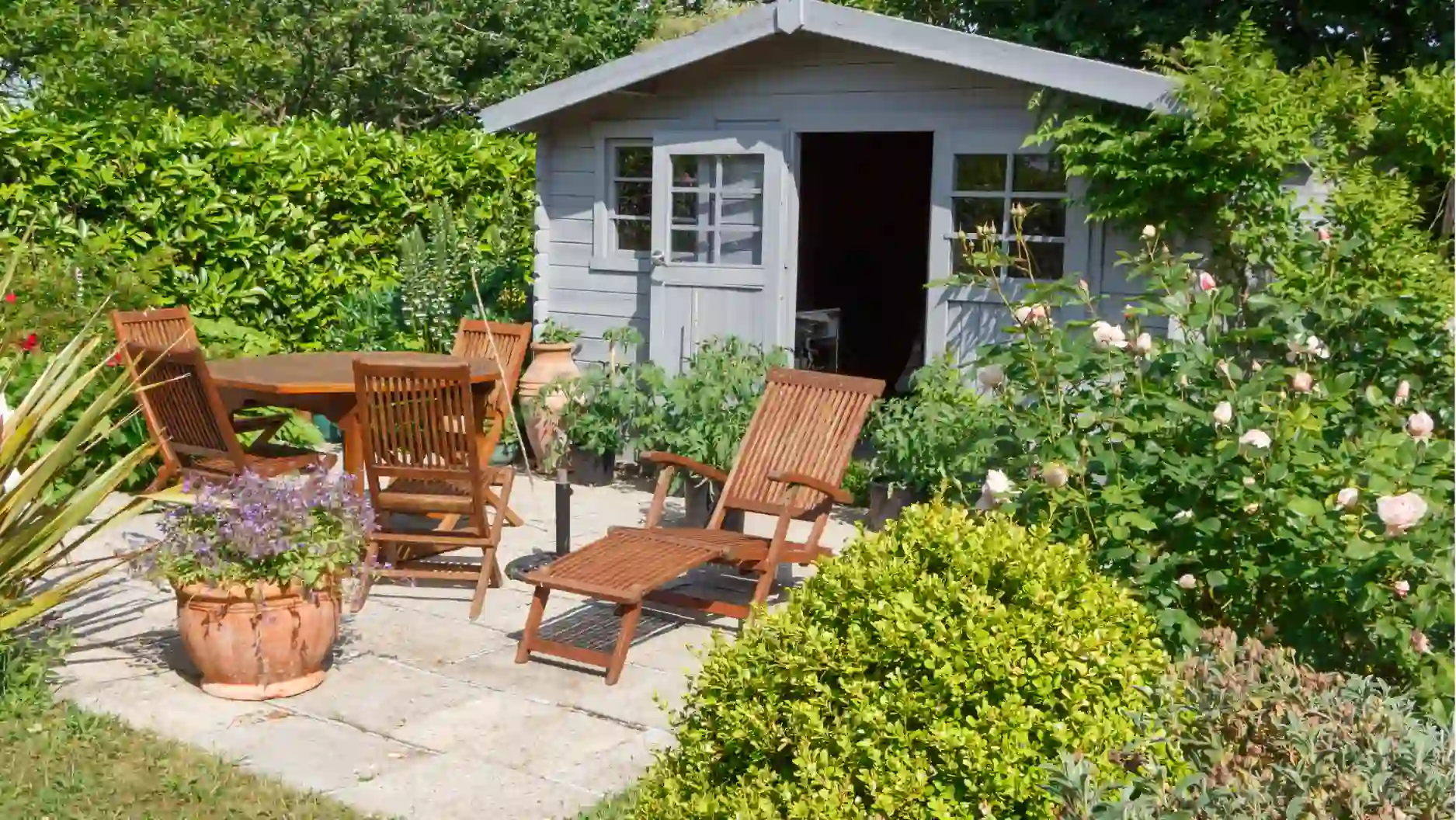
In recent years, Accessory Dwelling Units (ADUs) have become one of the most popular home upgrades for homeowners looking to maximize their property’s potential. Whether you’re looking to create additional rental income, provide housing for family members, or simply add more living space to your home, installing an ADU offers a great solution. In this post, we’ll walk you through the process of buying and installing an ADU on your property, from start to finish.
What is an ADU?
An Accessory Dwelling Unit (ADU) is a secondary, independent living space located on the same property as a primary residential home. These units can be attached or detached and come in various forms, such as a small backyard cottage, a basement apartment, or even a garage conversion. ADUs can be used for guest houses, rental units, home offices, or spaces for aging parents or adult children. In Canada, Vancouver is a leader in ADUs with 90% of B.C. communities adopting small-scale multi-unit housing legislations.
Research Local Regulations
Before you start dreaming about your perfect ADU, it’s essential to research local zoning laws and building codes. These regulations vary widely by location and can affect everything from the size of the unit to where it can be placed on your property. Some municipalities have very specific rules for ADUs, including:
- Minimum and maximum square footage
- Setback requirements (how far the ADU must be from property lines)
- Parking requirements (whether additional parking spaces need to be provided)
- Utility connections (whether separate water, gas, or electric meters are required)
- Permitting process (whether you need a special permit or simply need to adhere to certain guidelines)
To ensure your ADU project is compliant, visit your local planning department or check your city’s website for specific ADU regulations.
Determine Your Budget
Once you’ve confirmed that your property is eligible for an ADU, the next step is setting a budget. The cost of building an ADU can vary widely depending on factors such as size, design, materials, and labor costs. On average, building an ADU has general costs of $60,000 to $120,000 +.
- Read: Tiny Homes, Laneway Houses and More: Everything You Need to Know About Accessory Dwelling Units
Choose the Right Type of ADU
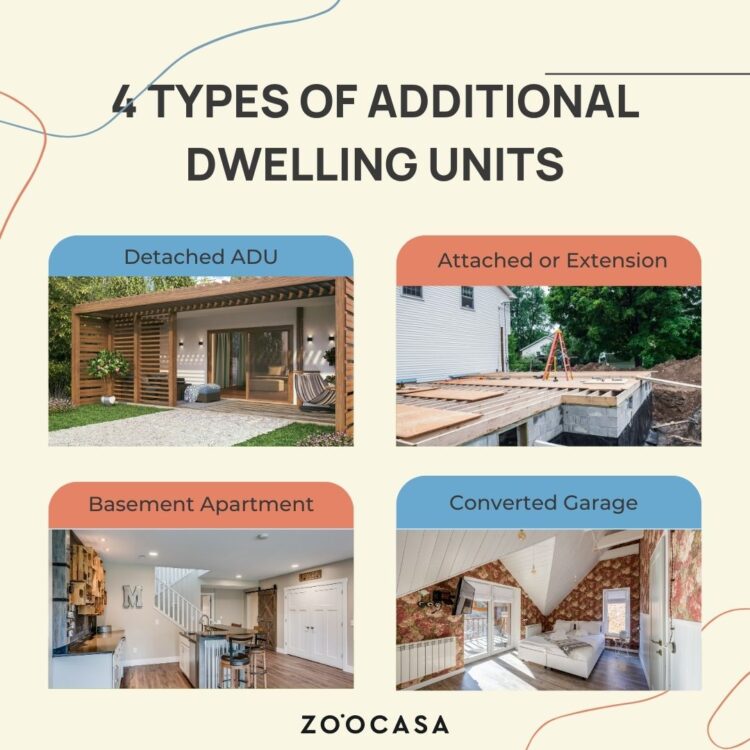
There are a few different types of ADUs to choose from, depending on your space, budget, and needs. Here are some of the most common types:
- Detached ADU: This is a completely separate unit, usually built in the backyard. It provides the most privacy for both the main house and the ADU residents.This includes garden suites, tiny homes, coach houses, and laneway suites.
- Attached ADU: This type is connected to the main house, often as a garage conversion or an addition above the garage. It can be more cost-effective than a detached unit. It could also mean building an addition onto the side or rear of your main house, or even adding another storey on top.
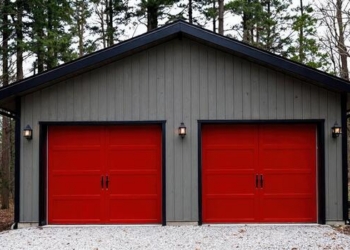
- Garage Conversion: If you have an existing garage, this is one of the most affordable options. You may need to update the foundation or reinforce the structure, but it can be a relatively quick way to add livable space.
- Basement or Attic Conversion: If your home has a basement or attic with enough height, this could be a viable option. This may involve less construction than building an entirely new structure.
Choosing the right type will depend on the space available on your property, your budget, and your desired level of privacy.
Hire a Professional Team
Building an ADU is a complex process that requires various professionals to bring your vision to life. Typically, your team will include:
- Architect or Designer
- Contractor
- Engineer
- Inspector
It’s important to vet your team carefully and hire professionals with experience in ADU construction. You can start by asking for recommendations from local real estate agents, friends, or neighbors who’ve already completed similar projects.
Get the Necessary Permits
Building an ADU typically requires a number of permits. These can include zoning permits, building permits, plumbing and electrical permits, and more. It’s crucial to work closely with your contractor and local authorities to ensure that all the required permits are obtained before breaking ground. Failing to secure the necessary permits can lead to fines, delays, and possibly the demolition of the unit.
Construction Process
Once you have all the permits in place, construction can begin! The process will involve several key stages, including:
- Site Preparation
- Framing and Roofing
- Plumbing and Electrical
- Interior and Exterior Finishes
- Final Inspections
This phase can take anywhere from a few months to over half a year, depending on the scope and complexity of the project.
Final Thoughts
Building an ADU can be a rewarding investment that adds value to your property, provides a source of income, and creates more living space. However, it’s a process that requires careful planning, research, and coordination with professionals. By following these steps, you’ll be well on your way to enjoying the benefits of your new ADU, whether for rental purposes or as an additional space for family and friends.
Are you looking for the perfect property for an ADU? Give us a call today! One of the experienced agents at Zoocasa will be more than happy to help you through the exciting home-buying process!