With housing costs, lifestyle and cross-border moves on many people’s minds, some U.S. citizens are wondering: Can Americans buy a home in Canada?
Whether you’re considering a move to Canada, looking for a vacation home or exploring real estate opportunities, there are a few important rules to understand first. Here’s what Americans need to know before buying a home in Canada.
Can U.S. Citizens Buy Property in Canada?
Not always. Canada introduced the Prohibition on the Purchase of Residential Property by Non-Canadians Act in January 2023 to limit foreign purchases of residential real estate. The federal government later extended the ban until January 1, 2027, although another extension or changes to the rules remain possible. In October 2026, Finance Minister François-Philippe Champagne said the federal government was considering its options as the deadline approaches, according to Global News.
Under current law, most foreign citizens who are not Canadian citizens or permanent residents cannot buy certain residential properties in Canada. This includes U.S. citizens who live in the United States and want to purchase a home in Canada.
The rules are not based on citizenship alone. Your immigration status, the type of property and its location can all affect whether you can buy. According to the Government of Canada’s legislation, the restrictions also apply to certain private companies controlled by non-Canadians.
However, the law does not cover every property or every buyer. Some exceptions allow eligible foreign nationals to purchase homes, while certain properties fall outside the ban entirely.
Who Can Buy a Home in Canada?
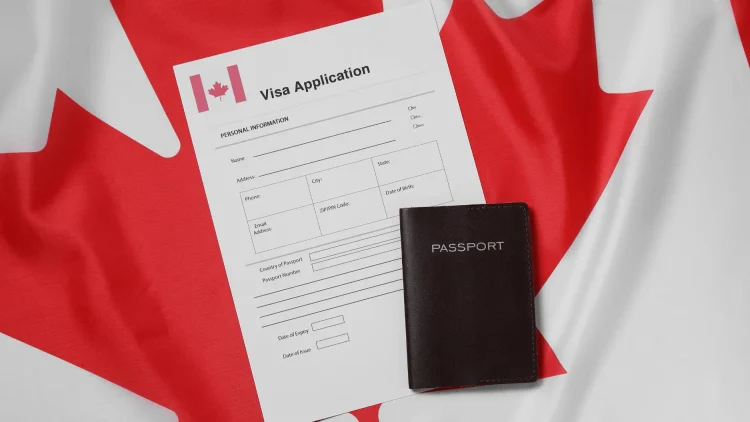
Although the rules limit many foreign buyers, some people can still purchase residential property.
Canadian Permanent Residents
Americans who have obtained Canadian permanent resident status are not considered non-Canadians under this federal law. They can generally buy residential property without being restricted by the foreign buyer ban.
However, permanent residency and tax residency are different. You may be a Canadian permanent resident for immigration purposes without being considered a Canadian resident for income tax purposes.
Americans With a Valid Work Permit
Some temporary residents who work in Canada may qualify for an exception.
Under the federal regulations, eligible buyers must have a valid work permit or be authorized to work in Canada. They must also have at least 183 days remaining on their work permit or work authorization when they purchase the property. They cannot have previously purchased a residential property in Canada while the prohibition is in effect.
Meeting these conditions does not automatically guarantee that every purchase will be permitted. Buyers should review the full requirements in the Prohibition on the Purchase of Residential Property by Non-Canadians Regulations.
Eligible International Students
Some international students can qualify for an exception, but the requirements are strict.
They must meet conditions that include filing Canadian income tax returns for each of the five tax years before the purchase, being physically present in Canada for at least 244 days in each of the five preceding calendar years and purchasing a property for no more than $500,000. They must also meet other conditions, including restrictions on previous purchases.
For most Americans who have recently moved to Canada to study, meeting all these requirements may be difficult.
Americans Buying With a Canadian Spouse
An American may also qualify for an exception when purchasing a home together with a spouse or common-law partner who is a Canadian citizen, permanent resident or another eligible person covered by the law.
The details matter, so couples should confirm their eligibility before making an offer. The Canada Mortgage and Housing Corporation’s guide to the foreign buyer ban provides more information about the rules and available exceptions.
What Types of Property Can Americans Buy?

The federal restrictions do not apply to every type of real estate in Canada. The type and location of a property can make a difference.
Homes in Smaller Communities and Rural Areas
The ban generally applies to residential property located within a census metropolitan area (CMA) or census agglomeration (CA). These are geographic areas defined by Statistics Canada based on population and community connections.
As a result, some residential properties outside these areas may be available to foreign buyers who do not qualify for another exception.
This can be important for Americans interested in rural homes, cottages or properties in smaller communities. However, a property being described as rural does not automatically mean it is exempt. Buyers should confirm whether the location falls outside the areas covered by the law.
Vacant Land
Vacant land is not covered by the federal prohibition under the current regulations. This means non-Canadians may be able to purchase vacant land, including in areas where the ban applies to residential properties.
However, local zoning rules, provincial laws and other restrictions may still apply. Buying land also does not automatically give a foreign buyer permission to build a home on it.
Larger Apartment Buildings
The ban generally covers residential buildings with three or fewer dwelling units, as well as individual units such as condominiums.
Buildings with four or more dwelling units are outside the prohibition’s definition of residential property. This may create opportunities for buyers interested in larger apartment buildings rather than a single-family home or condo. For more details on the property types covered, consult the CMHC’s official guidance.
What Taxes Do American Homebuyers Need to Know?
Even when an American is legally allowed to buy property in Canada, taxes can add to the cost. The amount depends on the province, the property and the buyer’s circumstances.
Ontario’s Non-Resident Speculation Tax
Ontario charges a Non-Resident Speculation Tax (NRST) on certain residential property purchases by foreign nationals, foreign corporations and taxable trustees. The current rate is 25% of the property’s value. This tax is separate from Ontario’s regular land transfer tax.
For example, if a qualifying purchase is valued at $800,000, a 25% NRST would amount to $200,000. This is in addition to applicable land transfer tax and other closing costs. Some buyers may qualify for an exemption or rebate, but meeting an exception under the federal foreign buyer ban does not automatically exempt someone from Ontario’s tax.
Before purchasing, review the Ontario government’s NRST rules and exemptions to understand how the tax may apply to your situation. Other provinces have their own tax rules, so buyers should check the requirements in the province where they plan to purchase.
Property Taxes and Closing Costs
Buyers should also budget for regular property taxes, legal fees, home inspections, title-related costs and other closing expenses.
Depending on the property and location, additional costs may include condominium fees, insurance, utilities and maintenance. The federal government’s homebuying guide explains common expenses buyers should consider before purchasing a property.
Can Americans Get a Mortgage in Canada?
Americans who qualify to purchase a property may also need to arrange financing. Getting a mortgage as a U.S. citizen can involve different requirements than buying a home in the United States.
Canadian lenders may consider factors such as your income, employment, credit history, debts, down payment and immigration status. Some lenders may also ask for additional documents when your income or assets are held in the United States.
Your U.S. credit history may not transfer directly to Canada, so lenders may need other records to assess your financial situation.
Before shopping for a home, speak with a Canadian mortgage professional who has experience working with U.S. citizens. They can help explain your financing options, the documents you may need and how much you could qualify to borrow.
What If You Want to Rent Out Your Canadian Property?
If you qualify to purchase a home and plan to rent it out, you should understand Canada’s tax rules for non-resident owners.
The Canada Revenue Agency generally requires 25% non-resident tax to be withheld from gross rental income paid to a non-resident landlord. However, eligible owners may apply to have tax withheld on net rental income instead, after certain expenses, through the appropriate process.
You may also have Canadian tax filing obligations, depending on your circumstances. The Canada Revenue Agency’s guide to rental income from Canadian property explains the rules and available options. If you intend to sell the property later, ask a tax professional about the rules for non-resident sellers as well.
What Should Americans Do Before Buying a Home in Canada?
If you’re considering buying a property in Canada, taking a few steps before making an offer can help you avoid costly surprises.
- Confirm your eligibility. Check whether you qualify for an exception to the federal ban or whether the property falls outside the restrictions.
- Research provincial taxes. Look into foreign buyer taxes, land transfer taxes and any other charges that may apply.
- Explore financing options. Speak with a Canadian mortgage professional about your down payment, credit history and borrowing options.
- Understand your tax obligations. If you plan to rent out or eventually sell the property, seek advice on Canadian non-resident tax rules.
- Work with local professionals. A real estate agent and a lawyer familiar with foreign buyers can help you understand the rules for your specific property and location.
The Bottom Line
Can Americans buy a home in Canada? Yes, in some circumstances, but not every American buyer is eligible. Canada’s federal foreign buyer ban currently restricts many non-Canadians from purchasing certain residential properties, although exceptions apply based on the buyer’s status and the property itself.
The ban is scheduled to expire on January 1, 2027, but another extension or changes to the rules remain possible. Americans considering a purchase should check the latest federal requirements before making an offer, as well as any provincial taxes that may apply.
If you’re exploring the Canadian real estate market, connect with a Zoocasa real estate agent who can help you understand the local market, explore available properties and navigate the homebuying process.