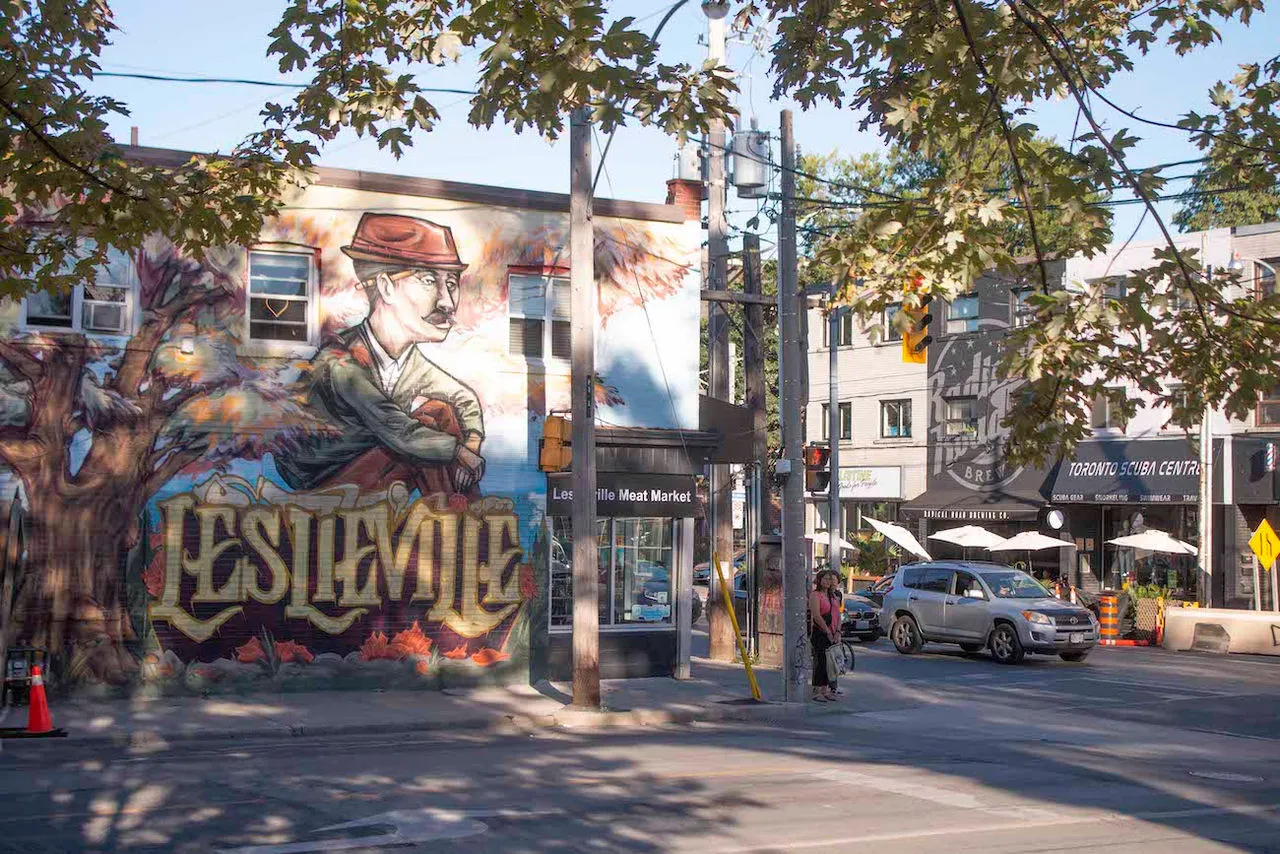
Toronto’s downtown core is often the first place that comes to mind when you think of walkable city living. However, some of the best neighbourhoods to explore on foot are found well beyond the city centre.
For homebuyers and renters alike, living in a walkable neighbourhood can make everyday life a little easier. Nearby grocery stores, cafés, restaurants, pharmacies, parks, and public transit make a neighbourhood more vibrant, with plenty of places to visit and things to do. Fortunately, you don’t need to live downtown to enjoy Toronto’s walkable streets. From the lively restaurant scene along the Danforth to the independent boutiques of Leslieville and the waterfront trails of The Beaches, these communities combine urban amenities with distinct neighbourhood identities.
What makes a neighbourhood walkable?
A walkable neighbourhood offers more than attractive sidewalks. It gives residents convenient access to everyday necessities, recreational spaces, and public transportation so you don’t need to depend on a car for every trip.
Some key features to consider when evaluating a neighbourhood’s walkability include:
- Everyday amenities: Grocery stores, pharmacies, cafés, restaurants, banks, and other essential services within walking distance.
- Public transit access: Convenient connections to subway stations, streetcars, and bus routes.
- Pedestrian-friendly streets: Well-maintained sidewalks, safe intersections, accessible crossings, and appealing streetscapes.
- Green spaces: Nearby parks, walking trails, playgrounds, and recreational facilities.
- Local shopping districts: Commercial main streets with independent retailers, restaurants, and community services.
1. The Danforth (Greektown)
The Danforth is one of Toronto’s most recognizable east-end neighbourhoods, offering an excellent combination of walkability, cultural diversity, and local amenities.
Centred around Danforth Avenue, specifically the stretch known as Greektown, residents of this neighbourhood can grab lunch at a Greek restaurant, conveniently buy groceries, browse local shops, or catch a performance at the Danforth Music Hall.
According to Destination Toronto, Greektown has evolved into a diverse community hub. The area is also known for its longstanding Greek heritage and annual Taste of the Danforth celebrations.
The Danforth also benefits from access to the Bloor subway line, with easy access to places like Withrow Park, which offers green space, sports facilities, and recreational amenities, providing a welcome break from the busy commercial strip.
2. Leslieville
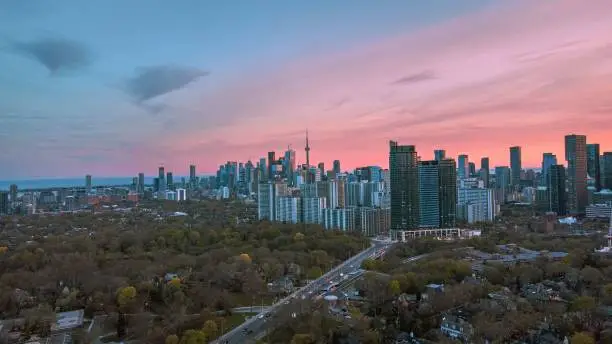
Located in Toronto’s East End, Leslieville is a neighbourhood that combines historic character with a lively commercial district and a strong local community.
Queen Street East is the heart of Leslieville’s pedestrian activity. The street is lined with independent boutiques, vintage stores, restaurants, coffee shops, and bakeries. Residents can enjoy a delicious weekend brunch, browse local shops, or pick up everyday essentials without needing to travel into the downtown core.
The Leslieville Business Improvement Area (BIA) represents more than 200 businesses along Queen Street East, between Vancouver Avenue and Empire Avenue. The stretch includes restaurants, cafés, bars, retail shops, boutiques, and service providers.
Leslieville has several green spaces and off-leash dog parks, adding to its neighbourhood appeal. Its proximity to the waterfront also provides opportunities for walking, cycling, and outdoor recreation.

3. The Beaches
For those who want a walkable neighbourhood with easy access to Lake Ontario, The Beaches offers a distinctive combination of local shopping, residential streets, and waterfront attractions. Also in Toronto’s East End, The Beaches is centred around Queen Street East, where independent boutiques, local galleries, and inviting patios give the main street a distinctly laid-back feel.
The waterfront features sandy beaches, walking trails, landscaped green spaces, and a boardwalk stretching approximately 3.5 kilometres. Woodbine Beach and Kew Gardens are also popular destinations for residents and visitors looking to spend time outdoors.
Destination Toronto highlights Queen Street East as the neighbourhood’s main commercial strip, with cafés, restaurants, local shops, and parkettes situated near the waterfront. Plus, the Beaches International Jazz Festival takes over the community for one month every summer with free music and a relaxed, community block-party feel.
4. Bloor West Village
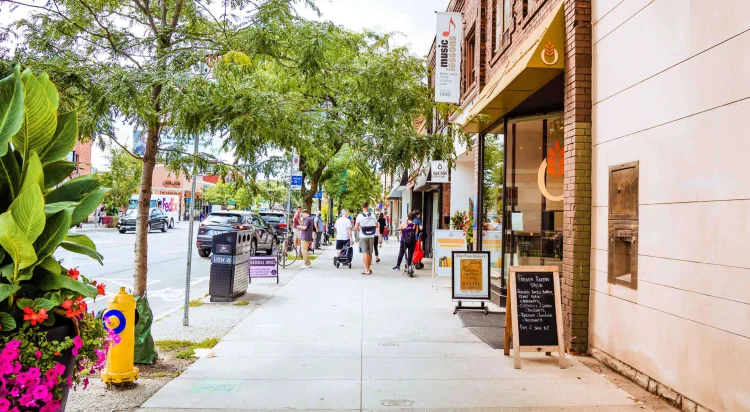
Bloor West Village is a west-end Toronto neighbourhood known for its established main street, independent businesses, and proximity to some of the city’s best green spaces.
The district stretches along Bloor Street West between Keele Street and the Humber River. Its traditional storefronts house restaurants, cafés, bakeries, specialty food shops, boutiques, and essential services. Unlike some newer commercial developments, Bloor West Village has a longstanding pedestrian-oriented shopping district where residents can run errands and check out local businesses within a compact area.
The City of Toronto’s Bloor West Village Avenue Study describes the area as an established main street with a vibrant, pedestrian-oriented commercial strip. It also highlights the neighbourhood’s small-scale businesses, European-inspired storefronts, and proximity to High Park and the Humber River.
For outdoor recreation, residents can access High Park and the Humber River, providing opportunities for walking, cycling, and enjoying nature.
5. The Junction
The Junction is another West End neighbourhood that offers a strong sense of community alongside a walkable commercial district.
Centred around Dundas Street West, the neighbourhood is known for its independent retailers, art galleries, restaurants, cafés, pubs, and music venues. Its commercial strip has a distinct character, with historic buildings and locally owned businesses creating an inviting atmosphere for pedestrians.
Destination Toronto highlights the area’s galleries, boutiques, bars, and music venues as some of its defining attractions. The neighbourhood’s main commercial stretch runs along Dundas Street West between Keele Street and Runnymede Road.
You don’t have to live downtown to experience Toronto’s walkable neighbourhoods
Toronto has plenty of neighbourhoods that offer the convenience of urban living without the density and pace of the downtown core. Whether you’re looking for the independent shops and restaurants of Leslieville, the waterfront lifestyle of The Beaches, or the village-like atmosphere of Bloor West Village, each neighbourhood offers a different take on walkable city living.
For homebuyers and renters, choosing a neighbourhood with nearby amenities can make everyday routines easier while providing more opportunities to connect with the surrounding community. Ultimately, the best walkable neighbourhood=puts the places you visit most often within easy reach.
Looking for your perfect neighbourhood? Search Zoocasa for homes in Toronto.