Homesteading has become a popular lifestyle choice for people seeking greater self-sufficiency, sustainability, and a deeper connection to nature. Whether it’s raising backyard chickens for fresh eggs, growing your own vegetables, or preserving food through canning, the allure of a simpler, more independent way of life is undeniable. However, while homesteading can be rewarding, it’s important to recognize its costs.
Starting a Backyard Chicken Flock
Raising chickens for eggs is one of the most common homesteading practices. But before you get started, it’s crucial to understand the costs involved in setting up and maintaining a flock.
Initial Costs:
- Chickens: A healthy laying hen can cost anywhere from $10 to $30, depending on the breed. If you plan to start with a flock of five chickens, that’s anywhere from $50 to $150.
- Chicken Coop: Building or buying a chicken coop can be one of the most significant upfront costs. A basic DIY chicken coop may cost anywhere from $200 to $500, depending on materials, size, and features like insulation or a nesting box. If you prefer to buy a pre-made coop, you might be looking at $500 to $1,000.
- Feed: Chickens need a steady supply of food. A 50-pound bag of chicken feed costs around $15 to $25 (according to various online farm supply stores), and it will typically last a month for a small flock of hens. For five hens, expect to spend $180 to $300 per year on feed.
Ongoing Costs:
- Bedding and Maintenance: You’ll need to replace bedding (such as straw or wood shavings) periodically, which can cost around $5 to $10 a month.
- Health Care: Routine vaccinations if required and occasional treatments for parasites or illnesses may add a small cost.
- Egg Production: On average, a healthy hen can produce about 250 eggs per year. If you have five hens, that’s about 1,250 eggs annually, or roughly 100 eggs per month. Depending on local egg costs and how many eggs you eat regularly, you could save upwards of $400 a year.
Growing Your Own Vegetables
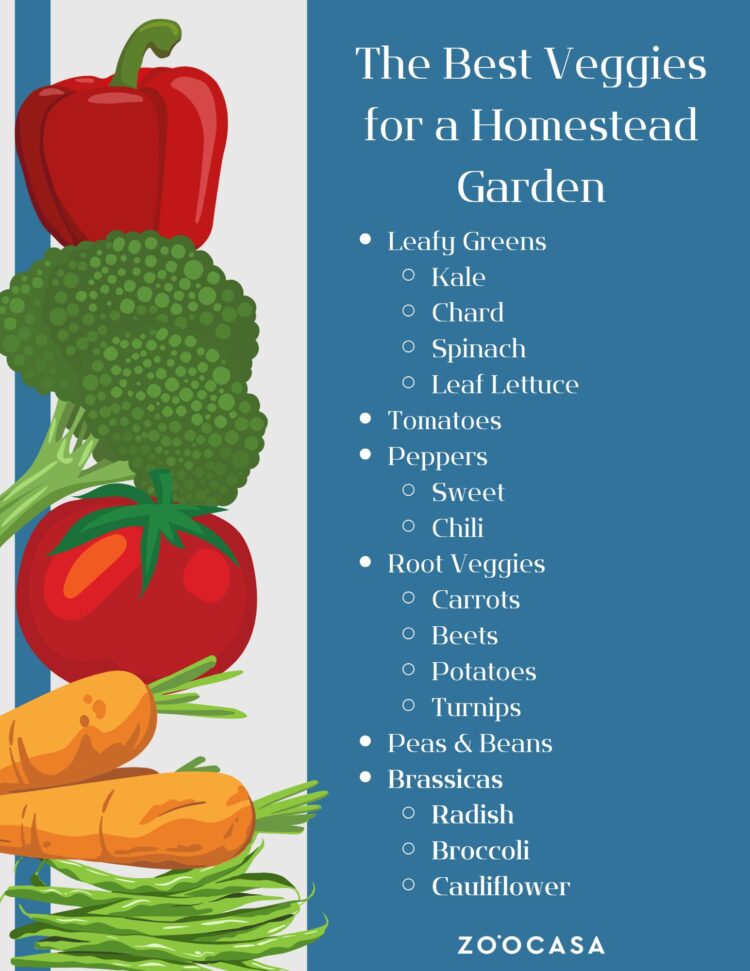
Home gardening is another cornerstone of the homesteading lifestyle. Growing your own food can drastically cut down on grocery bills, but there are upfront and ongoing costs to consider.
Initial Costs:
- Seeds and Plants: Seeds are relatively inexpensive, with packets costing anywhere from $1 to $5 each. If you’re starting with a small vegetable garden, you can expect to spend $20 to $50 on seeds. If you prefer to purchase seedlings, those can cost $2 to $5 per plant, adding up depending on how many varieties you’re growing.
- Tools and Equipment: Basic gardening tools (shovel, rake, hoe, etc.) might cost you around $50 to $100 if you don’t already own them. Raised garden beds or soil amendments (such as compost, mulch, or fertilizers) may add an additional $50 to $200, depending on your garden’s size and soil quality.
- Watering System: If you don’t have a rainwater collection system or an in-ground irrigation system, you’ll need hoses, sprinklers, or a drip irrigation system. Costs will vary depending on the complexity of the setup.
Ongoing Costs:
- Soil Amendments: Each season, you may need to replenish soil with compost, manure, or fertilizer.
- Water: The cost of watering your garden can vary significantly based on where you live and the size of your garden especially in areas with higher water bills. Potential Savings: The amount of money you save by growing your own vegetables will vary based on what you grow and your garden’s productivity. A small garden can save you $200 to $500 annually on produce, and a larger, more productive garden could easily save you $1,000 or more.
Canning Vegetables and Preserving Food
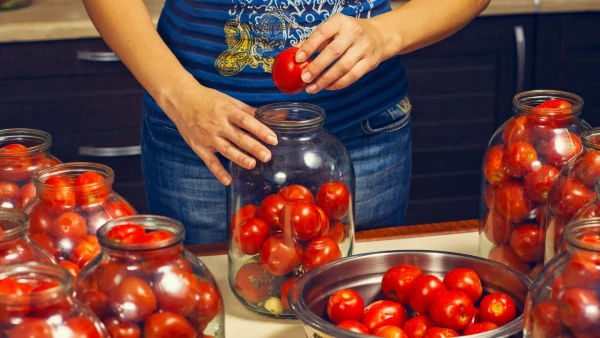
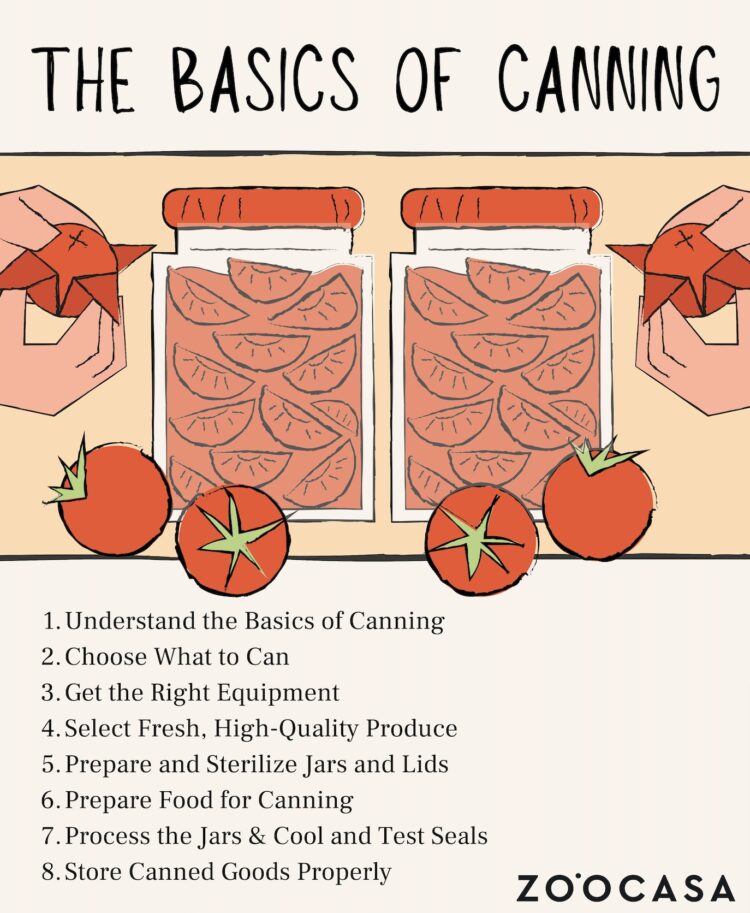
One of the best ways to stretch your harvest is to preserve food by canning. Canning allows you to store your garden’s bounty for the winter months and save money on groceries. However, the canning process does come with its own set of costs.
Initial Costs:
- Canning Equipment: At a minimum, you’ll need a pressure canner or a water bath canner, jars, lids, and a jar lifter. You can expect to spend anywhere from $150 to $300 to get started.
- Ingredients: Depending on what you’re canning, you’ll need a variety of ingredients such as sugar, vinegar, salt, and spices. You might also need to buy more produce if you don’t grow everything you need.
Ongoing Costs:
- Jars and Lids: Jars can be reused, but the lids are single-use and must be replaced after each canning session.
- Additional Ingredients: For recipes that require special ingredients (like spices or special sweeteners), you’ll need to factor that into your yearly cost.
Potential Savings: Canning allows you to preserve food when it’s in season, often saving money compared to buying the same products at the grocery store. If you can your own vegetables, fruits, and jams, you could save anywhere from $200 to $1,000 annually, depending on the scale of your homesteading efforts.
Other Homesteading Costs
Beyond chickens, gardening, and canning, there are other expenses to consider in a homesteading lifestyle:
- Beekeeping: If you want to harvest honey, starting a beekeeping operation can cost around $200 to $500 for basic equipment, including hives, bees, and protective gear.
- Livestock: Raising goats, pigs, or cows can add additional expenses in terms of initial purchase price, feed, healthcare, and equipment.
- Solar Power or Off-Grid Systems: Some homesteaders invest in solar panels or other off-grid systems for energy independence, which can cost anywhere from $5,000 to $20,000 or more.
Is Homesteading Worth the Cost?
Homesteading is an investment of both time and money, but for many, the rewards far outweigh the costs. From the satisfaction of eating homegrown food to the financial savings on grocery bills, homesteading can be a fulfilling and cost-effective lifestyle if you’re willing to put in the effort. While the initial setup can be expensive, many homesteaders find the long-term benefits—whether financial, emotional, or environmental—worthwhile.
Ultimately, homesteading is about finding balance. It may not be a “get-rich-quick” endeavor, but it can provide a sense of security and self-sufficiency that is hard to put a price on. If you’re considering homesteading, be sure to research, plan, and budget accordingly to make the most out of this rewarding lifestyle.
Are you looking to enter the real estate market this winter? Give us a call today! One of the experienced agents at Zoocasa will be more than happy to help you through the exciting home-buying process!