Beekeeping, or apiculture, is an increasingly popular hobby for those looking to connect with nature, contribute to the environment, and harvest their own honey. Whether you live in the countryside or a suburban neighborhood, keeping bees in your backyard is possible and can be incredibly rewarding. If you’re interested in starting your own hive, here’s a beginner’s guide to help you get started with the basics of beekeeping at home.
Step One: Research and Education
Before bringing bees into your home, it’s crucial to do research. Beekeeping requires commitment, knowledge, and attention to details. Look online, watch tutorials, and join local beekeeping groups or associations to learn about bee behavior, hive management, and local regulations.
Beekeeping can be challenging, especially in the beginning, so make sure to equip yourself with as much knowledge as possible. Consider taking a beekeeping class or consulting with an experienced beekeeper for hands-on experience. Join a local Bee Keeper’s Association for help and support from a community, and for guidance from experienced keepers.
Step Two: Check Local Regulations
Beekeeping regulations vary by state/province, region, and even by city or town so make sure you’re compliant with local laws. You may need a permit, and certain areas may have restrictions on how many hives you can have. Check with your local government or a beekeeping association to ensure you’re following the rules.
Step Three: Get the Right Equipment
Beekeeping requires specialized equipment to ensure the safety and well-being of your bees. The main pieces of equipment you’ll need are:
- Bee Hive: The most common type for beginners is a standard Langstroth hive. It consists of a bottom board, brood boxes, frames, and a hive lid. The bees build their colony here and produce honey.
- Bees: You can either buy a nucleus colony (nuc) or a package of bees. A nucleus colony comes with a queen and a small group of worker bees, whereas a package consists of bees without a queen, and you’ll need to introduce one yourself.
- Protective Gear: You’ll need a beekeeping suit, gloves, and a veil to protect yourself from bee stings. Although most bees are not aggressive, wearing protective gear will ensure your safety as a beginner.
- Smoker: A smoker calms the bees when inspecting the hive. The smoke masks alarm pheromones and distracts the bees, making them more docile.
- Hive Tool: This tool helps you pry apart frames and lift them from the hive. It’s essential for inspecting and maintaining the hive.
- Bee Feeder: If your bees need supplemental feeding, a feeder provides them with sugar syrup during the colder months or when there’s a shortage of nectar.
Step Four: Set Up Your Hive
Choose a location for your hive that gets plenty of sunlight and is protected from strong winds. The hive should be placed in a dry area with easy access to nectar-rich flowers, trees, and water sources.
Consider the following when placing your hive:
- Location: The hive should be in a sunny area, away from high-traffic areas, children, or pets.
- Accessibility: You’ll need to inspect your hive regularly, so make sure it’s easy to access.
- Wind Protection: Try to place the hive in a location that shields it from harsh winds but is still ventilated.
- Water Source: Bees need a water source to survive. If you don’t have a nearby water source, consider adding a birdbath or shallow dish of water near the hive.

Step Five: Care for Your Bees
Once your bees are installed, it’s important to check the hive regularly. Some key activities include:
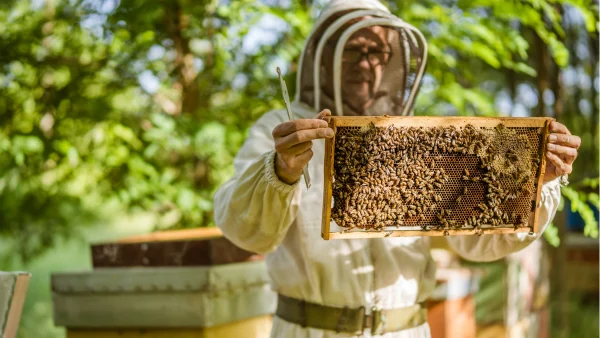
- Hive Inspections: During the warmer months, open the hive at least every two weeks to check on the bees’ health and the status of the honeycomb. Look for signs of a healthy queen, the presence of eggs, and the development of new brood (larvae). Ensure that the hive has enough space and that there are no signs of disease or pests.
- Feeding Bees: If nectar is scarce, especially in the early spring or late fall, you may need to supplement the bees’ diet with sugar syrup. This is particularly important if the hive is starting or if the bees cannot forage enough.
- Harvesting Honey: Depending on the colony’s size and the honey production, you can harvest your honey at the end of the summer or early fall. Make sure to leave enough honey for the bees to survive the winter. The process typically involves removing honey-filled frames, uncapping, and extracting honey.
- Winterizing the Hive: Before winter, ensure your bees have enough honey to get them through the cold months. You may need to add insulation to the hive to keep the bees warm.
Step Six: Learn and Grow
Beekeeping is a learning experience. The more you work with your hive, the more you’ll understand bee behavior and how to manage your colony properly. Don’t be discouraged if things don’t go perfectly at first – the bees are resilient, and you’ll grow alongside your hive.
Final Thoughts
Beekeeping is a fulfilling hobby that allows you to interact with one of nature’s most fascinating creatures. You can create a thriving bee colony in your backyard with the right equipment, knowledge, and patience. By keeping bees at home, you’ll enjoy the sweet reward of fresh honey and contribute to the health of local ecosystems, and help preserve the vital role bees play in our world.
Are you looking to enter the real estate market this winter? Give us a call today! One of the experienced agents at Zoocasa will be more than happy to help you through the exciting home-buying process!