
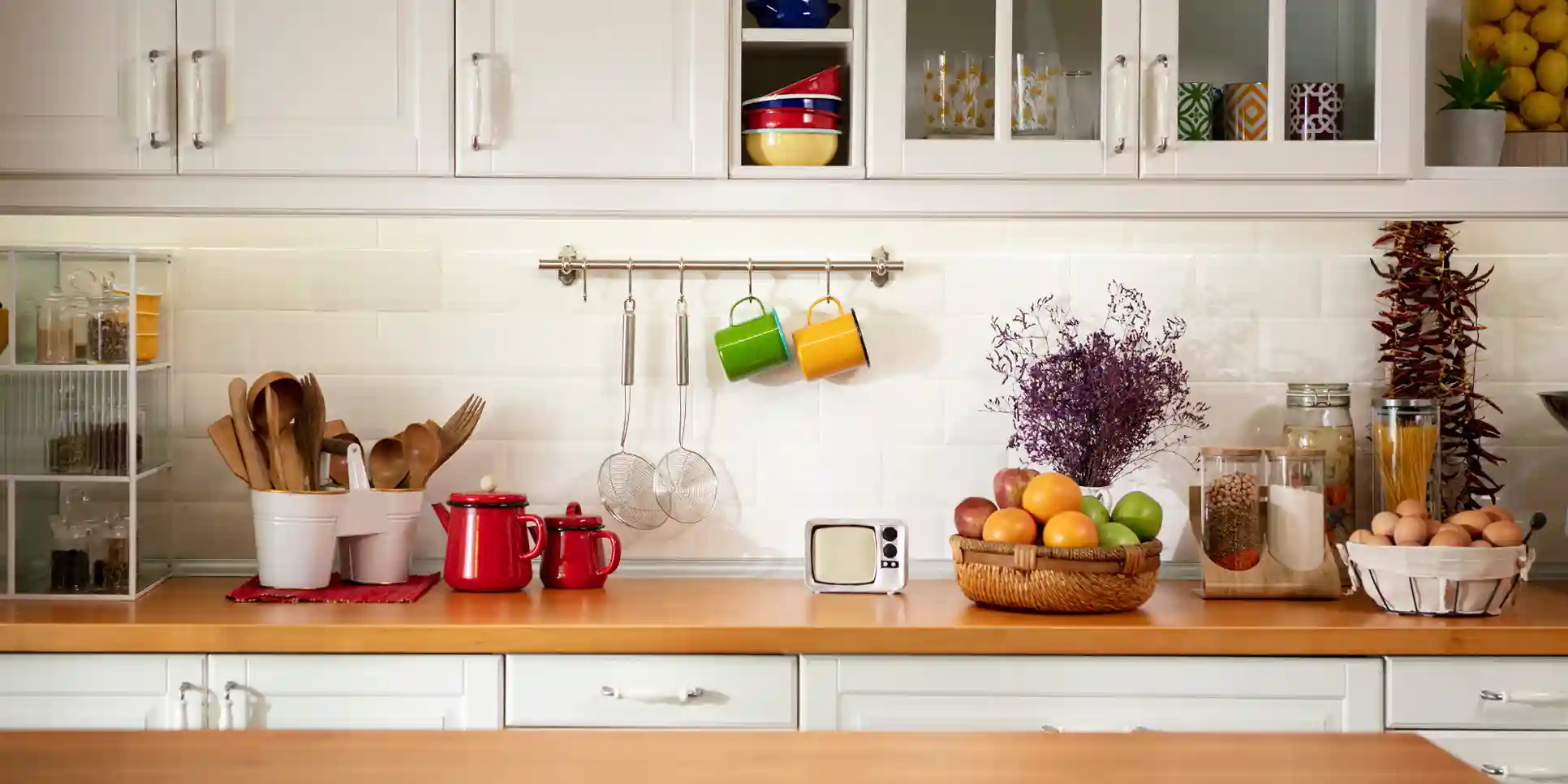
As we continue to become more mindful of our environmental impact, many people are turning to sustainable living practices. One area where we can make a significant difference is in the kitchen. Building a zero-waste kitchen may seem challenging, but it’s actually quite simple to get started. With a few small changes, you can reduce waste and make your cooking space more efficient and eco-friendly. Here’s a step-by-step guide to help you create a zero-waste kitchen that benefits both you and the planet.
Understanding the Zero-Waste Philosophy
Zero waste is all about minimizing our impact on the environment by reducing waste, reusing items, and being more mindful about consumption. It’s not about being perfect but about making intentional choices that help us waste less. In the kitchen, this means cutting down on single-use plastics, reducing food waste, and making sure the products we use are durable, reusable, and recyclable.
The core principles of zero waste are waste reduction, mindful consumption, and reuse. By following these principles in your kitchen, you’ll make a meaningful impact, one small change at a time.

Step 1: Declutter and Assess Your Current Kitchen
Before you make any changes, take a look at your current kitchen setup. Do a quick inventory of what you already have. Are there single-use plastic bags, old containers, or items that don’t get used often? Identifying items that contribute to waste is the first step in making your kitchen more sustainable.
Once you’ve taken stock, it’s time to declutter. Donate anything you no longer need or can’t use, and recycle or repurpose items that are still in good condition. The less clutter you have, the easier it will be to switch to sustainable alternatives.
Step 2: Switch to Reusable Items
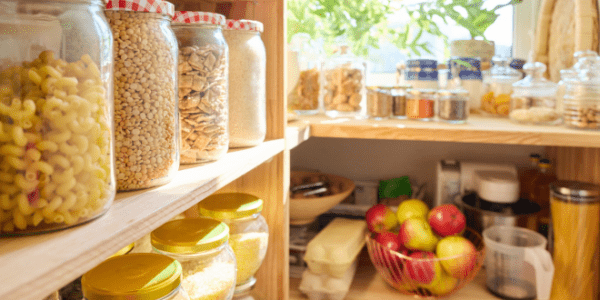
A big part of building a zero-waste kitchen is replacing disposable items with reusable alternatives. Start with storage: glass jars, metal containers, and beeswax wraps are perfect replacements for plastic bags and cling film. These options are durable and can be used over and over again.
For everyday kitchen items, consider swapping out paper towels for cloth napkins and dishcloths. Not only will this reduce waste, but it’s also more economical in the long run.
By making these small changes, you can significantly reduce the amount of waste your kitchen produces.

Step 3: Reduce Food Waste
Reducing food waste is one of the most impactful ways to create a zero-waste kitchen. Start by planning your meals and shopping smartly. Make a list before you head to the store to avoid buying items you don’t need.
Proper food storage is also key to extending the life of your produce. Use reusable produce bags and containers to keep fruits and vegetables fresher longer. And if you do have food scraps, compost them instead of tossing them in the trash. Composting not only keeps food out of landfills but also creates rich soil for future gardening.
Additionally, get creative with leftovers. Repurpose extra food into soups, smoothies, or new meals to make sure nothing goes to waste.

Step 4: Invest in Eco-Friendly Kitchen Tools and Appliances
When it comes to kitchen tools and appliances, it’s worth investing in high-quality, long-lasting options. Look for energy-efficient appliances and durable tools made from sustainable materials like bamboo, wood, or stainless steel.
For cookware, avoid non-stick pans with chemicals like Teflon. Instead, choose cast iron or stainless steel, which are nontoxic and built to last. While these materials may require a little more care, they’re healthier for you and the environment.
By choosing products that are built to last, you’ll reduce the need for frequent replacements, which helps reduce waste in the long run.
Step 5: Shop Sustainably and Responsibly
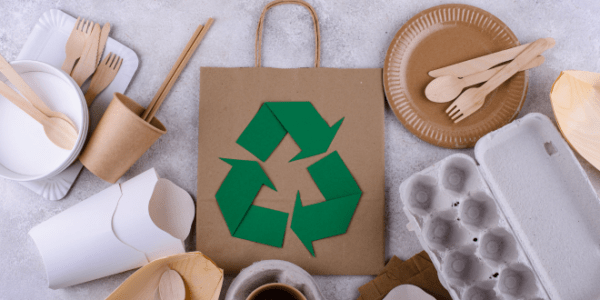
Sustainable shopping is another crucial aspect of a zero-waste kitchen. Buying in bulk is an easy way to avoid excess packaging. Many stores offer bulk bins for items like grains, nuts, and spices, allowing you to use your own containers.
Supporting local and organic stores also helps reduce your environmental impact. Buying seasonal and locally grown produce not only supports the local economy but also reduces the carbon footprint associated with transporting food long distances.
And don’t forget your reusable bags and containers! Bring them with you to the store to cut down on the need for plastic bags and packaging.

Step 6: Switch to Eco-Friendly Cleaning Practices
The kitchen is a place where many people rely on chemical-laden cleaning products. Instead, consider making the switch to natural alternatives like vinegar, baking soda, and lemon juice. These simple ingredients are just as effective and much safer for both you and the environment.
You can also switch to reusable cleaning cloths, sponges, and mop heads instead of using disposable wipes or paper towels. If you’re using cleaning supplies like sponges or scrubbers, choose ones that are compostable or recyclable to reduce waste.

Step 7: Build Long-Term Zero-Waste Habits
Creating a zero-waste kitchen is about more than just one-time changes—it’s about forming lasting habits. Start by incorporating small daily practices like mindful consumption, regular waste audits, and periodic decluttering to ensure your kitchen remains sustainable.
It’s also a good idea to involve everyone in the household. Encourage family members or roommates to adopt zero-waste habits so it becomes a shared commitment. And be sure to stay up to date on your local recycling and composting programs to ensure that waste is disposed of responsibly.

Building a zero-waste kitchen may take some time, but it’s a rewarding and impactful journey. By reducing waste, you can create an eco-friendly kitchen that helps protect the planet for future generations. Remember, it’s not about being perfect—every small change adds up and makes a difference.
Are you looking to enter the real estate market this spring? Give us a call today! One of the experienced agents at Zoocasa will be more than happy to help you through the exciting home-buying process!