
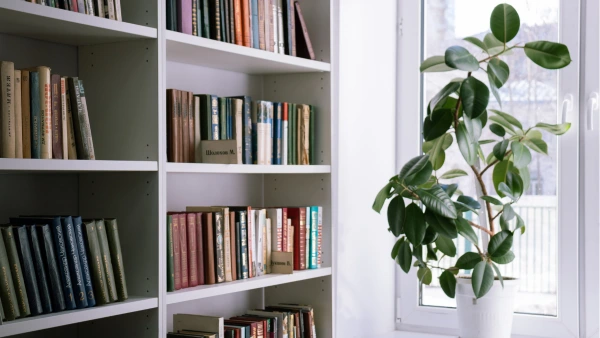
Our homes are more than just places to rest and store our belongings; they are environments that significantly impact our well-being, emotions, and mental health. Whether we’re aware of it or not, the design of our homes plays a crucial role in shaping our moods, productivity, and overall mental state. In recent years, there’s been growing recognition of the connection between our physical surroundings and our psychological health. Home design, when thoughtfully executed, can be a powerful tool for promoting wellness, reducing stress, and enhancing emotional well-being.
In this post, we’ll explore how intentional home design can contribute to improved mental health and share some practical strategies for creating a space that nurtures your mind and spirit.
Jump Ahead
- The Power of Light: Natural vs. Artificial
- Color Psychology: Creating a Calming Palette
- Incorporating Nature: Biophilic Design for Mental Clarity
- Organization and Decluttering: A Clear Space for a Clear Mind
- Personalization: Crafting a Space That Reflects Your Identity
- Ergonomics and Comfort: Prioritizing Health and Physical Well-Being
- Mindful Spaces: Creating Areas for Rest and Reflection
The Power of Light: Natural vs. Artificial
Natural light has a profound impact on our mood and energy levels. Research has shown that exposure to natural sunlight helps regulate our circadian rhythm, the internal clock that governs our sleep-wake cycles, as said by a Stanford study done in 2023. A disrupted circadian rhythm can lead to issues like insomnia, fatigue, and mood disorders, so ensuring that your home allows plenty of natural light can work wonders for your mental health.
Large windows, glass doors, and strategically placed mirrors can maximize daylight in your living spaces. In rooms where natural light is limited, consider using light colors for walls and furniture to reflect what light there is. It’s also helpful to use layered lighting, such as floor lamps, table lamps, and dimmable ceiling lights, to create a warm and inviting atmosphere in the evenings without relying too heavily on harsh overhead lighting.
Consider adding light sources with adjustable color temperatures. During the day, use cooler, brighter lights to simulate daylight, and switch to warmer tones in the evening to prepare your body for rest. Smart lighting systems, which adjust based on the time of day or activity, can also be an excellent addition to your home for maintaining a healthy light environment.
Color Psychology: Creating a Calming Palette
The colors in your home can deeply influence your emotions and mental state. Color psychology suggests that certain hues can evoke particular feelings and moods. For example, blues and greens are often associated with tranquility and relaxation, making them ideal for bedrooms or meditation spaces. Yellow and orange, on the other hand, are energizing and uplifting, while soft pinks and lavenders are gentle and nurturing.
While it’s important to choose colors that resonate with your personal preferences, consider incorporating calming tones into high-stress areas of your home, such as your bedroom, office, or living room. Soft neutrals like beige and grey can create a sense of balance, while a splash of color—such as a feature wall or accent pillows—can bring a sense of vitality without overwhelming the space.
The key to using color effectively is to strike a balance. Too much of a highly stimulating color, such as red, may increase anxiety or restlessness, while too much of a muted color may feel flat or uninspiring. By thoughtfully selecting colors based on their psychological effects, you can design a home that promotes a sense of well-being and emotional stability.
Incorporating Nature: Biophilic Design for Mental Clarity
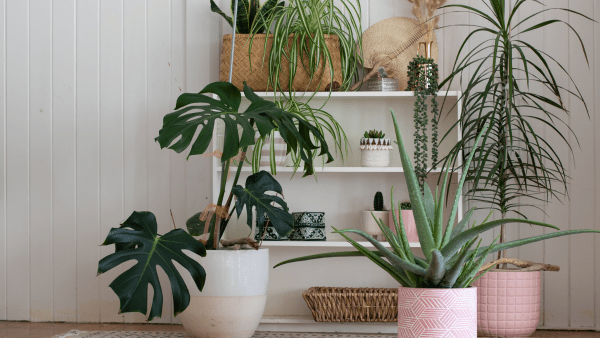
Biophilic design, a growing trend in architecture and interior design, emphasizes the importance of connecting with nature for improved mental health. The idea is simple: humans are naturally drawn to nature, and incorporating natural elements into our living spaces can reduce stress, improve focus, and foster creativity. Studies have shown that even small doses of nature—such as houseplants or nature-inspired decor—can have a profound impact on our mood and cognitive function.
To bring biophilic principles into your home, start by introducing plants into different rooms. Houseplants like spider plants, succulents, or peace lilies not only purify the air but also add a touch of greenery that can help to soothe the mind. If you’re not a fan of plants, consider incorporating natural textures such as wood, stone, or bamboo. These elements can create a sense of groundedness and warmth, helping you feel more connected to the earth.
Natural light is also a key element of biophilic design. Whenever possible, optimize the flow of light into your home by using sheer curtains or open window treatments. If you live in an area with limited natural scenery, consider using landscape photography or artwork depicting outdoor scenes to create the illusion of nature indoors.
Organization and Decluttering: A Clear Space for a Clear Mind
A cluttered environment can lead to a cluttered mind. Studies have shown that living in a disorganized, chaotic space can increase feelings of stress and anxiety. On the other hand, a tidy, well-organized home promotes a sense of calm and control, which can have a positive effect on mental clarity and emotional well-being.
Home design can help reduce clutter by incorporating functional storage solutions and creating spaces that encourage tidiness. Consider investing in multi-purpose furniture, such as storage ottomans or hidden shelving, to maximize space and keep your belongings organized. Minimalism, a design philosophy that focuses on simplicity and functionality, is another effective way to create a tranquil environment that promotes mental clarity.
However, it’s important to remember that organization isn’t just about eliminating items—it’s about creating an intentional space that reflects your values and priorities. Curating the objects in your home to align with your personality and what brings you joy can create an environment that feels both purposeful and peaceful.
Personalization: Crafting a Space That Reflects Your Identity
A home that feels disconnected from who we are can have a negative impact on our mental health. Personalization is an essential component of home design because it creates a space that reflects our individuality, tastes, and passions. This sense of ownership and connection can provide emotional comfort, helping to foster a sense of stability and belonging.
Decorative items such as family photos, meaningful artwork, or mementos from travel can turn a house into a home and create an atmosphere of warmth and familiarity. Creating spaces that reflect your interests—whether it’s a reading nook, a craft corner, or a music room—can also provide you with a sanctuary for relaxation and creativity.
While personalization is important, balance is key. Too many personal items, especially in high-traffic areas, can make a space feel cluttered. The goal is to create a comfortable environment that feels both organized and personalized, which can boost feelings of ownership, security, and happiness.
Ergonomics and Comfort: Prioritizing Health and Physical Well-Being
While aesthetics play a key role in the mental health benefits of home design, physical comfort is just as important. Ergonomically designed furniture and layouts that support your body’s natural posture can reduce physical discomfort, which in turn lowers stress levels and enhances focus.
For example, investing in an ergonomic chair for your home office can improve your posture and prevent back or neck pain, which can contribute to better mental clarity and reduced frustration. Likewise, choosing a mattress and pillows that suit your sleeping style can improve sleep quality, which is directly linked to mental health.
It’s also essential to create spaces that allow for movement and physical activity. A designated yoga space, a home gym, or even a corner for stretching can encourage you to incorporate movement into your daily routine, which has been shown to improve mood, reduce anxiety, and boost overall mental well-being.
Mindful Spaces: Creating Areas for Rest and Reflection
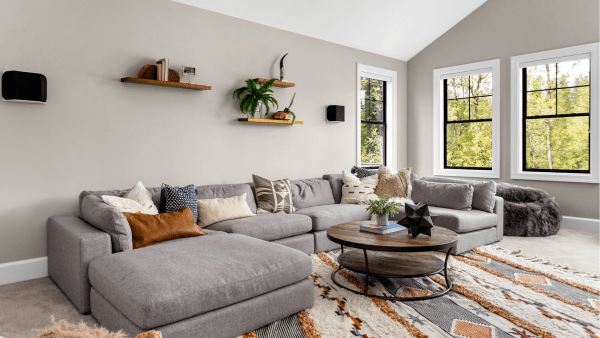
Finally, the design of your home should include spaces dedicated to relaxation, reflection, and mindfulness. These areas can act as sanctuaries where you can recharge, practice self-care, and engage in activities that nurture your mental health.
A meditation corner, a cozy reading nook, or a bath area designed for relaxation can provide the mental space needed for decompression. Incorporating calming scents like lavender or chamomile through essential oils or candles can enhance the atmosphere of these spaces, promoting tranquility and a sense of peace.
Mindfulness in design also involves creating a flow between rooms. Avoid overly compartmentalized layouts that may feel disconnected. Instead, design an open, harmonious flow that encourages ease of movement and connection. Thoughtfully arranged furniture, with a focus on balance and symmetry, can evoke a sense of order and calm.
A Home as a Reflection of Wellness
Our homes are more than just physical structures—they are reflections of our mental and emotional lives. The way we design and organize our spaces has a direct impact on how we feel, think, and interact with the world. By paying attention to elements like light, color, nature, and ergonomics, we can create an environment that supports mental clarity, reduces stress, and fosters a sense of well-being.
As we continue to navigate an increasingly fast-paced and often overwhelming world, designing homes that prioritize wellness can offer a much-needed refuge—a space where we can restore our mental and emotional health. Whether you’re embarking on a full redesign or simply looking to make a few mindful adjustments, remember that the power to enhance your well-being starts within the spaces you call home.
Let your home be a sanctuary, a place of healing, and a testament to the importance of living with intention and mindfulness.
Are you looking to enter the real estate market this winter? Give us a call today! One of the experienced agents at Zoocasa will be more than happy to help you through the exciting home-buying process!