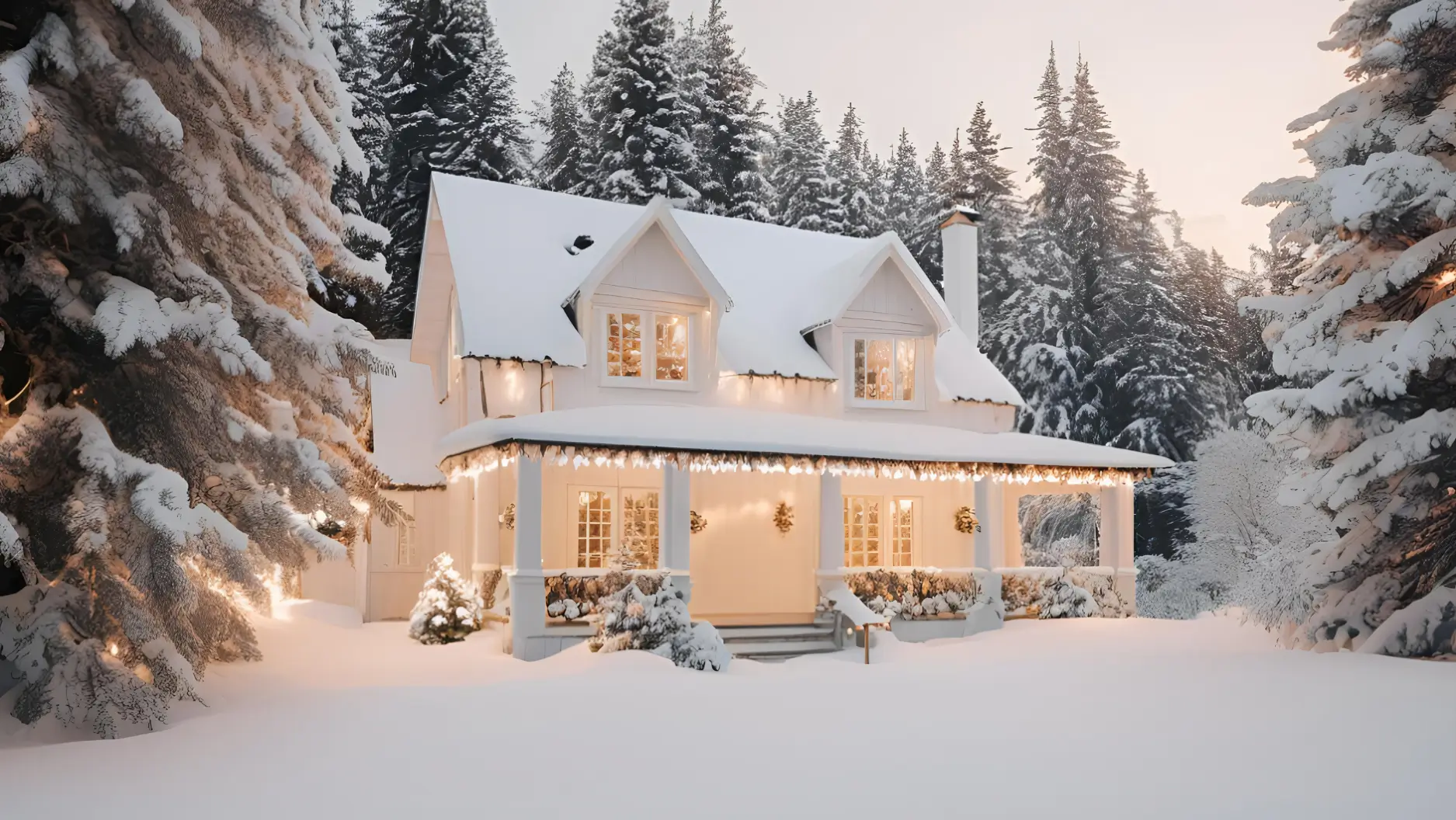
Spring and summer are often seen as the busiest seasons for real estate, but buying a house in winter can have its own advantages.
Buyers may face less competition, have more room to negotiate and get a better understanding of how a home handles cold weather. However, snow and ice can also hide potential problems.
Before you start your search, here are the pros and cons to buying a house in winter, including what to look for during a showing.
The Pros Of Buying A House In Winter
Winter may not be the most popular (or convenient) time to move, but that doesn’t mean it’s a bad time to buy. In fact, putting in an offer during the winter months could come with a few advantages, making it worth considering before the spring market picks up.
1. Potentially Less Competition
Many buyers prefer to wait until warmer weather to start house hunting. As a result, some markets don’t see as many active buyers during the winter months.
With fewer people looking at the same properties, you may have a better chance of avoiding competing offers. This can give you more time to consider your options and make a decision without feeling rushed.
However, competition depends on your local market, property type and price range. Popular homes can still attract multiple offers, even in the middle of winter.
2. More Room To Negotiate
Some sellers list their homes during winter because they need to move for work, are relocating or have another time-sensitive reason to sell.
If a property has been sitting on the market for a while, the seller may be more open to discussing the price or other terms of an offer.
While this doesn’t mean every winter listing will be a bargain, buyers may also have more flexibility when putting together an offer that works for them.
3. You Can Assess How The Home Handles Cold Weather
One of the biggest advantages of buying a house in winter is seeing how it performs in colder winter conditions. During a showing, pay attention to indoor temperatures, whether there are noticeable drafts and how well the windows keep out the cold.
Look for signs of condensation, frost or moisture around windows. These may point to insulation, ventilation or humidity issues that deserve a closer look.
Although a warm home during a cold showing may give you more confidence in its heating and insulation, a professional inspection is still important to check the condition and efficiency of its heating system and insulation.
4. You May Find Motivated Sellers
Some homeowners may be more motivated to sell during the winter months rather than carry the costs of maintaining two properties until the spring market. This can be especially true for sellers who have already purchased a new home or are managing an estate sale and want to avoid additional expenses. For buyers, this could create an opportunity to negotiate with motivated sellers and potentially secure a better deal.
That said, don’t assume a seller is motivated just because their home is listed in December or January. Some homeowners are perfectly comfortable waiting for the right offer. Instead, focus on the property’s value and your budget before making an offer.
The Cons Of Buying A House In Winter
While buying a home in winter has its advantages, there are also a few challenges to consider before making a purchase.
1. Fewer Homes May Be Available
One of the biggest drawbacks of house hunting in winter is having fewer properties to choose from. Some homeowners wait until spring to list their homes, when warmer weather and longer daylight hours can make it easier to prepare properties for sale and accommodate showings. As a result, you may find a smaller selection of properties that meet your needs.
If you’re looking for a specific neighbourhood, home style or property feature, you may need to broaden your search area or be more flexible about certain preferences.
2. Snow Can Hide Property Problems
Snow can make it difficult to assess certain parts of a property. For example, a layer of snow may conceal cracks in the driveway, uneven walkways, drainage issues or damage to exterior features. Poor drainage is particularly important to identify, as water that doesn’t flow away from the house properly can contribute to basement leaks or foundation problems. The weather conditions can also prevent an inspector from safely examining the roof, making it difficult to identify damaged shingles or other signs of wear that could require costly repairs.
The Government of Ontario also cautions that home inspections may be limited as a result of snow-covered areas. This is important to remember when reviewing an inspection report, as it may note that there were inaccessible areas. If that is the case, you may need to arrange another inspection when the weather improves.
3. Moving Can Be More Difficult
Moving during winter comes with a few extra challenges. Snow, ice and freezing temperatures can make loading and unloading vehicles more difficult. Bad weather can also cause delays for moving companies, deliveries and utility services.
If you’re planning a winter move, give yourself extra time and make sure walkways, driveways and entrances are cleared before moving day. It’s also a good idea to have a plan for protecting floors and keeping the home warm while doors are frequently opening and closing.
What To Look For When Buying A House In Winter
A winter showing offers you the chance to see details of a home that may not be as noticeable during warmer months. Here are some important things to pay attention to before making an offer.
1. Heating Systems And Insulation
Heating is one of the biggest things to consider when buying a home in Canada. Ask about the age and maintenance history of the furnace, heat pump or other heating system. Find out what type of fuel it uses and whether it has been serviced regularly.
During your showing, pay attention to:
- Whether the temperature in each room feels consistent.
- Cold spots near windows, doors and exterior walls.
- Unusual noises coming from the furnace or heating system.
- Whether the basement feels noticeably colder than the rest of the home.
- Drafts around windows and exterior doors.
You should also ask about attic insulation and ventilation. Poor insulation can contribute to heat loss and higher energy bills.
- Read: How to Grow Flowers Indoors: The Fall Gardening Project That Can Keep Your Home Blooming All Winter
2. Windows And Doors
Windows and doors play an important role in keeping a home comfortable during winter. Check for noticeable drafts, damaged weatherstripping and gaps around window and door frames. Look for excessive condensation or frost, which may indicate an issue with the windows, indoor humidity or ventilation.
Older windows aren’t necessarily a dealbreaker, but replacing them can become an additional expense to consider before making an offer.
3. Roof And Gutters
Snow-covered roofs can make it difficult to spot missing shingles, damaged flashing or other signs of wear and tear. Ask when the roof was last replaced and whether the seller has records of previous repairs.
You should also check visible sections of the gutters and downspouts for damage or signs of poor maintenance. Ice dams are another issue to watch for. These form when melting snow refreezes along the roof’s edge and can lead to water backing up under the shingles. They may be linked to problems with attic insulation or ventilation.
4. Basement And Foundation
A basement showing during winter can reveal signs of moisture that might be harder to notice during a dry summer. Look for water stains, musty smells, peeling paint and visible cracks along basement walls or floors. Ask the seller whether or not the foundation was waterproofed and if an exterior waterproofing membrane was installed. It’s also worth finding out if the home has a perimeter drainage system, like weeping tile, to help direct water away from the foundation.
Pay attention to the areas around basement windows, too. Snow and ice can build up around window wells and contribute to water entering the home as temperatures rise.
5. Driveway, Parking And Outdoor Space
Winter can make it harder to see the full condition of a property’s outdoor areas. Check whether the driveway is large enough for your household and whether there is enough space for guests to park. Look for visible cracks, uneven surfaces and areas where ice tends to collect.
If the property has a deck, patio, pool or garden, ask to see photos from the warmer months. You should also consider how much work will be involved in maintaining the property. A long driveway or large lot may require more time and money for snow removal and lawn maintenance.
Is Buying A House In Winter Worth It?
Buying a house in winter can be a great option if you’re prepared for a smaller selection of listings and the challenges that come with cold-weather showings.
You may have less competition, more opportunities to negotiate and a chance to see how well a property handles Canada’s winter conditions. At the same time, snow and ice can hide important exterior details, making a professional home inspection especially valuable.
Ultimately, the best time to buy is when you’re financially ready and find a property that meets your needs. Don’t let the weather stop you from exploring your options. With the right preparation, winter could be the perfect time to find your next home.
Ready to start your home search? Explore homes for sale on Zoocasa and find a property that feels like home, in every season.