
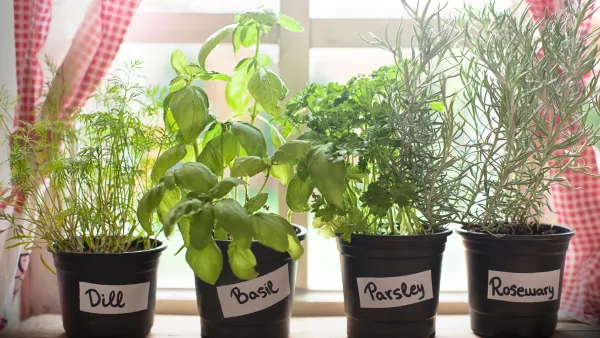
Winter often means a slowdown in fresh produce, especially herbs, which are an essential ingredient for many home-cooked meals. However, creating an indoor herb garden allows you to enjoy fresh, flavorful herbs all year long. Here’s how to get started and ensure your herbs flourish even in the chilliest months.
Choosing the Right Herbs
Some herbs thrive indoors better than others. When selecting herbs for your winter garden, opt for those that are well-suited to low light and controlled indoor temperatures. Here are a few popular choices that do well indoors:
- Basil: A sunny windowsill is perfect for basil. It requires 6-8 hours of sunlight daily, so placing it near a south-facing window can ensure it thrives.
- Mint: This herb grows well in moderate light and can tolerate some shade. Mint is also hardy and will continue to flourish in cooler indoor climates.
- Thyme: Thyme is a hardy herb that doesn’t require much light, making it ideal for homes with fewer sunny spots.
- Parsley: Parsley is perfect for indoor growing, especially if you have a smaller space. It requires a medium amount of sunlight and does well in containers.
- Chives: Chives require little sunlight, thrive in a well-drained container, and need regular watering to keep their fresh green shoots growing.
In terms of growing, consider using smaller, manageable pots or trays to create an herb garden that’s easy to take care of. You can even grow several herbs in one large container to make the most of your space.

Creating the Ideal Growing Environment
To ensure your indoor herbs thrive, you need to recreate their preferred outdoor conditions as closely as possible:
The Importance of Light
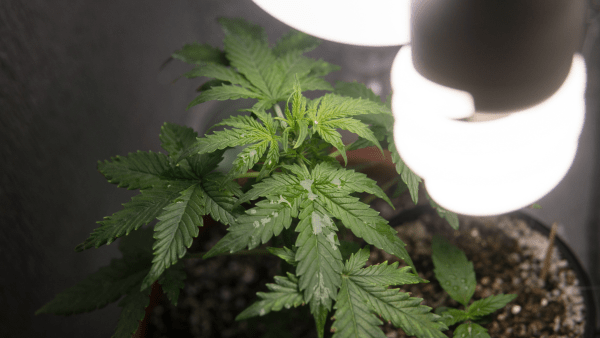
While herbs need light to grow, they often don’t require direct sunlight. However, without enough light, herbs can become leggy and weak.
A south-facing window is the best spot, but if that’s not an option, rotating your plants or using grow lights can help. LED grow lights provide the right spectrum of light for plant growth and are energy-efficient, making them an excellent choice for darker homes. For more information on selecting the right grow light, check out this guide by The Spruce. If you prefer a low-maintenance solution, consider using compact fluorescent bulbs in a desk lamp to mimic sunlight for your herbs.
Additionally, if you have limited natural light, you might need to invest in a light timer to simulate day and night cycles for your herbs, ensuring they get enough exposure during the shorter days of winter.
Soil and Containers
Choosing the right container and soil mix is crucial to the success of your indoor herb garden. Opt for pots with drainage holes to prevent water from accumulating at the bottom, which can lead to root rot. A lightweight, well-draining pot composed of clay or terracotta is ideal, and adding perlite or sand to the mix can improve drainage.
Regular watering is essential as it keeps the soil moist but never soggy. Pruning your herbs to encourage fresh growth is also a great tip to remember. Applying a balanced fertilizer every few weeks will keep them nourished, but be careful not to over-fertilize, as this can lead to weak, leafy growth.
Temperature and Humidity
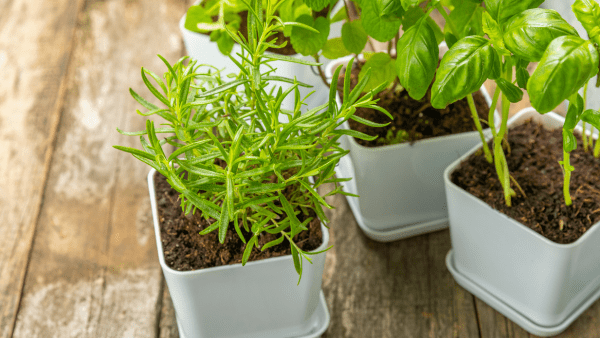
Most herbs prefer temperatures between 65-70°F (18-21°C) so keep them away from drafty windows and heat sources. To increase humidity, place a tray of pebbles filled with water near your herbs or use a small humidifier.
Both of these methods work well for creating a more balanced climate for your garden during the colder months, helping to mimic the more humid conditions these plants prefer. By providing the right temperature and humidity, you can keep your herbs healthy and vibrant, even during winter.
Watering and Fertilizing
Proper watering is important for indoor herbs. A good rule of thumb is to water when the top inch of the soil feels dry to the touch. This ensures the roots have absorbed enough water without staying overly moist, which can promote mold or fungal growth. To prevent overwatering, always check the drainage holes at the bottom of the container; if water starts to pool, it’s a sign you’ve overwatered.
Feed your herbs with a balanced, all-purpose fertilizer to keep them healthy. For best results, dilute the fertilizer to half or even quarter strength to avoid overwhelming your plants with too many nutrients. Applying fertilizer every 4 to 6 weeks will give your herbs the necessary nutrients for strong growth, without stressing the plants.
Styling Your Indoor Herb Garden
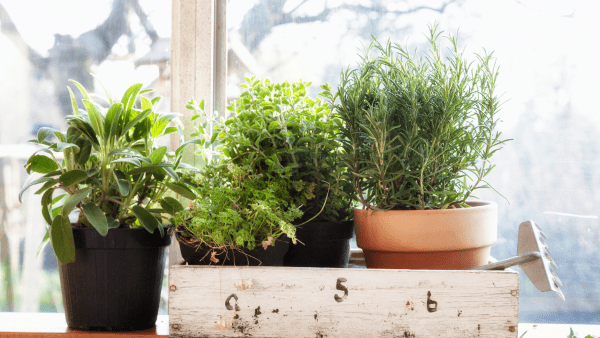
Indoor herb gardens are more than just functional; they can also enhance your home decor. If you are looking for some creative ways to integrate your herb garden into your home, try these ideas:
- Herb Shelf: Dedicate a small shelf or windowsill in your kitchen to your herb garden. You can even incorporate other decorative plants or small succulents to create a beautiful, green space.
- Repurposed Containers: Use old teacups, mason jars, or vintage tin cans as planters to add a touch of charm to your indoor garden. If space is limited, consider hanging planters or wall-mounted shelves to create a vertical herb garden.
- Miniature Greenhouse: For a more advanced project, try building a small indoor greenhouse. This can protect your herbs from the dry air of winter while adding a cozy, rustic vibe to your kitchen or living space.
The Benefits of Growing Herbs Year-Round
Aside from the practical benefits of having fresh herbs on hand, growing an indoor herb garden offers numerous advantages:
- Health Benefits: Fresh herbs are packed with antioxidants, vitamins, and minerals. For example, parsley is rich in Vitamin C, while basil has anti-inflammatory properties.
- Sustainability: Growing your own herbs reduces your reliance on store-bought options, minimizing packaging waste and the environmental impact of shipping.
- Mental Health: Indoor gardening has been shown to reduce stress and improve mental well-being. Plus, tending to your plants can help keep you connected to nature during the cold months.
By following these guidelines, you can create a thriving indoor herb garden that will provide fresh flavors and a touch of nature to your home throughout the winter months. Remember, patience and attentiveness are key to a successful indoor herb garden. With a little care and the right conditions, you’ll be enjoying fresh herbs in your winter recipes in no time!
Are you looking to enter the real estate market this winter? Give us a call today! One of the experienced agents at Zoocasa will be more than happy to help you through the exciting home-buying process!