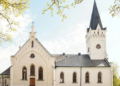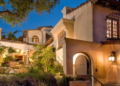
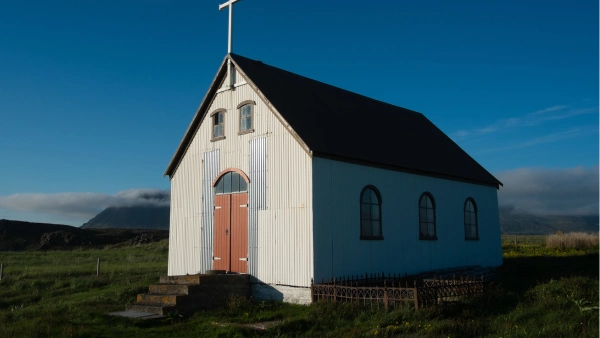
Church conversions—when former places of worship are transformed into homes, businesses, or cultural spaces—have become a fascinating trend in recent decades. What once might have been considered an affront to sacred spaces has now become a popular and often coveted form of architectural reuse. From towering Gothic structures to minimalist chapels, many churches have found new life in modern society. But when did this trend take off, and what factors contributed to its rise?
The Changing Role of Religion in Society
One of the primary reasons church conversions gained popularity lies in the broader cultural and religious shifts of the 20th and 21st centuries. In many parts of the world, especially in Western countries, the role of religion in daily life has significantly diminished. The secularization of society—characterized by a decline in church attendance, religious affiliation, and the rise of alternative spiritualities—meant that many church buildings were left underutilized or abandoned altogether.
In Europe, for example, churches were once at the center of community life. However, by the mid-20th century, as urbanization grew and fewer people attended services, many church buildings began to lose their central place in the community. This process was particularly evident in post-industrial cities, where the decline of traditional industries and the out-migration of working-class populations left these buildings without a congregation to support them.
Economic Pressures and Maintenance Costs
Another important factor driving church conversions has been the increasing financial strain on religious institutions. As congregations shrank, so too did their ability to fund the upkeep of often large, aging buildings. Many churches are costly to maintain, especially those in historical styles that require significant restoration to preserve their architectural integrity. For smaller congregations or those facing financial difficulties, it often became a question of whether it was better to sell the building or let it deteriorate.
In some cases, selling or repurposing the building became a pragmatic solution to ease the financial burden. Churches, particularly those in prime urban or rural locations, have become attractive real estate properties. As property values rose in certain areas, developers saw an opportunity to convert churches into residential spaces or commercial properties. These conversions have become a win-win scenario: they save the buildings from neglect while offering new uses for what might otherwise be empty structures.
The Appeal of Church Architecture
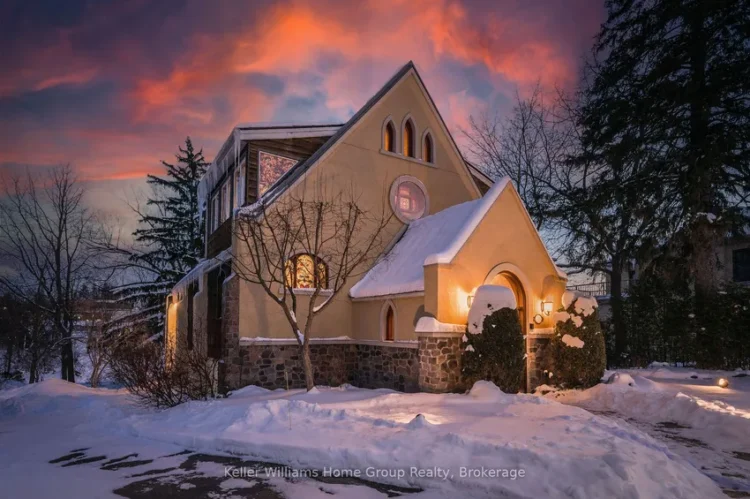
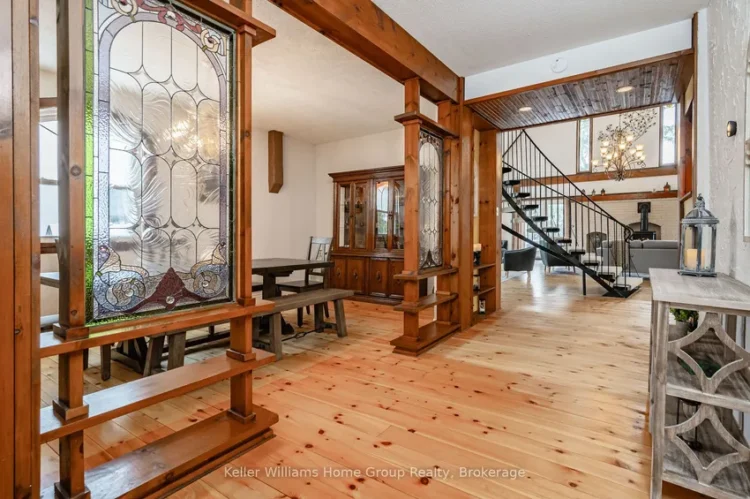
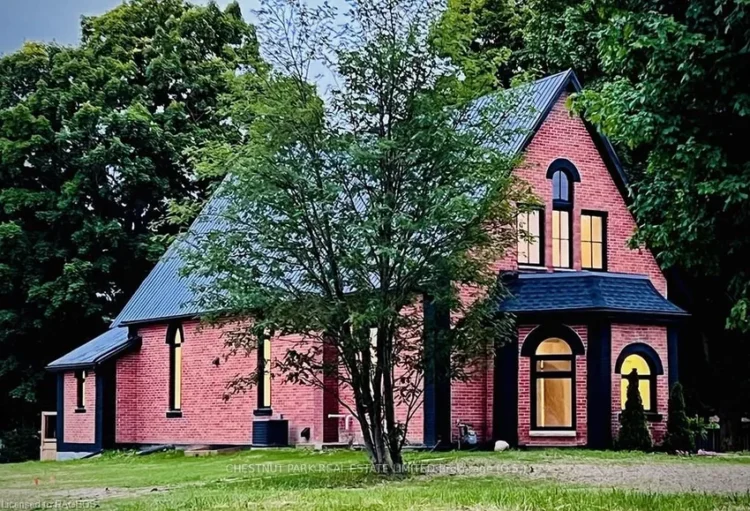
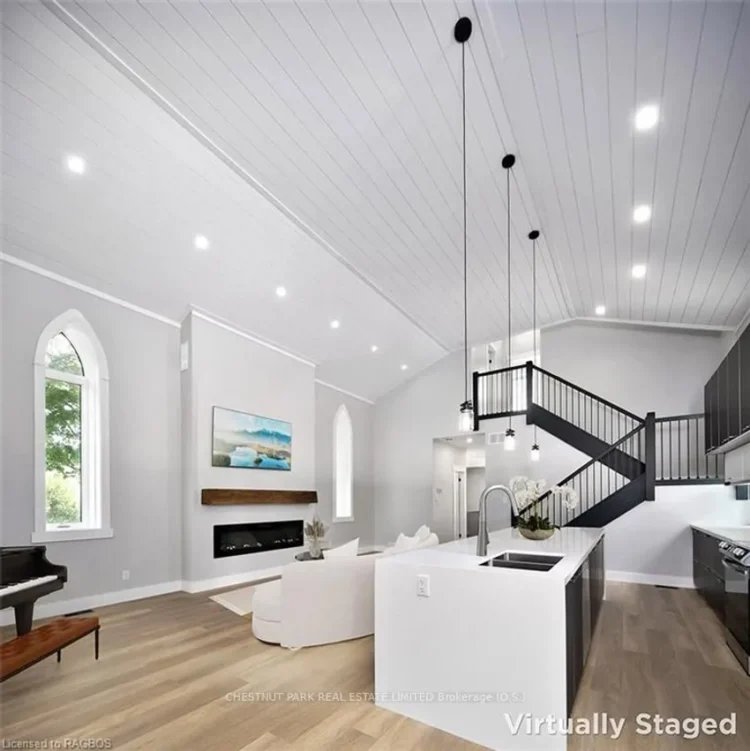
From an aesthetic perspective, many people are drawn to the idea of living or working in a church due to the unique architectural features they offer. High ceilings, stained-glass windows, elaborate wooden beams, and vaulted spaces lend a sense of grandeur and history to these structures. As more people seek distinctive, character-filled homes or office spaces, church conversions provide a one-of-a-kind setting that’s hard to replicate in more conventional buildings.
This trend can be traced back to the late 20th century when people began to prize individualism and creativity in interior design. Many viewed churches as having an inherent beauty that could lend a certain romantic or dramatic flair to any space. Developers and architects took note, and church conversions became a sought-after design choice, particularly in cities where real estate options were limited and unique buildings were in high demand.
Cultural and Community Shifts
Culturally, church conversions have also gained popularity due to their symbolic value. For some, repurposing a church represents a bridge between the past and present. Churches, with their rich histories and architectural significance, are seen as cultural landmarks, and repurposing them rather than demolishing them preserves a piece of history.
Moreover, the changing role of religion has allowed for a more flexible view of what a church building can represent. In many cases, these former places of worship have been repurposed into art galleries, concert venues, cafes, or even breweries—functions that reflect broader changes in how people engage with culture and community. Many see church conversions as a way to revitalize neighborhoods or create new community spaces while maintaining historical continuity.
Challenges and Criticism
Despite their popularity, church conversions are not without controversy. For some, the idea of turning sacred spaces into private homes or businesses is seen as a loss of cultural or religious heritage. Some communities feel that the sacred purpose of the building should be preserved, or that converting churches for secular purposes is a form of disrespect. In addition, there are practical challenges involved, such as ensuring that the conversion maintains the building’s historical integrity while meeting modern standards of livability or functionality.
Renovating church conversions can also be a major undertaking, as the owners of a converted church in Beeton, Ontario, discovered. In 2010, a Toronto couple purchased a red-brick church and spent the first year removing the church’s robes, pews, kitchen supplies, and other remaining furniture. It took another five years to complete the renovation. They also had to secure a construction mortgage, as the church was not considered habitable at the time of purchase.
Repurposing the Past for the Future
Church conversions became popular largely as a response to changing social, religious, and economic dynamics. As secularization progressed, many churches faced declining attendance and rising maintenance costs, leading to the exploration of alternative uses for these historic buildings. The allure of their architecture, combined with the need for creative urban solutions, has made them prime candidates for conversion into homes, offices, and cultural spaces.
While the practice continues to evolve, church conversions offer a powerful example of how architecture can adapt to the needs of a changing world, allowing us to repurpose the past for the future. As more communities explore how to balance preservation with innovation, we can expect this trend to continue flourishing in cities around the globe.
Are you looking to enter the real estate market this winter? Give us a call today! One of the experienced agents at Zoocasa will be more than happy to help you through the exciting home-buying process!