
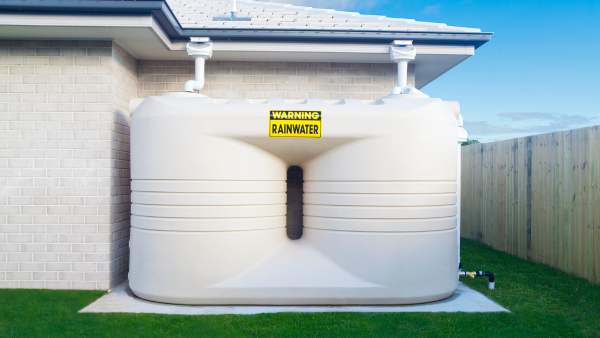
Seattle, with its reputation for rainfall, presents an excellent opportunity for homeowners to harness the power of nature through rainwater harvesting systems. These systems not only conserve water but also reduce the strain on municipal resources and can even save you money in the long run. In this guide, we’ll explore the benefits, types, installation process, and maintenance of rainwater harvesting systems tailored specifically for the Seattle area.
Enjoying our content? Subscribe to our free weekly newsletter to get real estate market insights, news, and reports straight to your inbox
Why Rainwater Harvesting in Seattle?
Seattle’s climate is characterized by mild, wet winters and dry summers, making rainwater harvesting an ideal solution for sustainable water management. With an average annual rainfall of around 37 inches, there’s ample opportunity to collect and store rainwater for various household uses.
Benefits of Rainwater Harvesting:
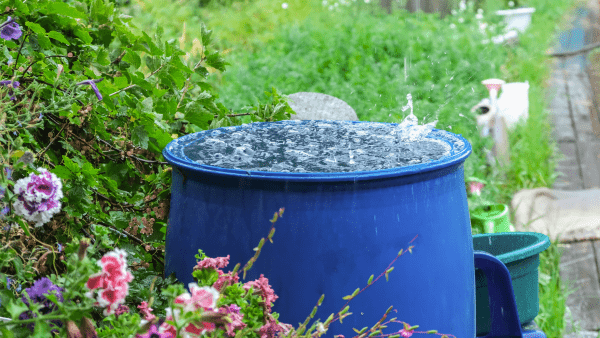
- Water Conservation: By capturing rainwater, homeowners can reduce their reliance on municipal water supplies, especially during the dry summer months when water restrictions may be in place.
- Cost Savings: Installing a rainwater harvesting system can lead to long-term cost savings on water bills, as well as potential rebates or incentives offered by local governments.
- Reduced Stormwater Runoff: Rainwater harvesting helps mitigate stormwater runoff, which can reduce soil erosion, prevent flooding, and protect water quality in local streams and rivers.
- Supplemental Irrigation: Harvested rainwater can be used for watering gardens, lawns, and landscaping, reducing the need for treated drinking water for outdoor use.
Types of Rainwater Harvesting Systems:
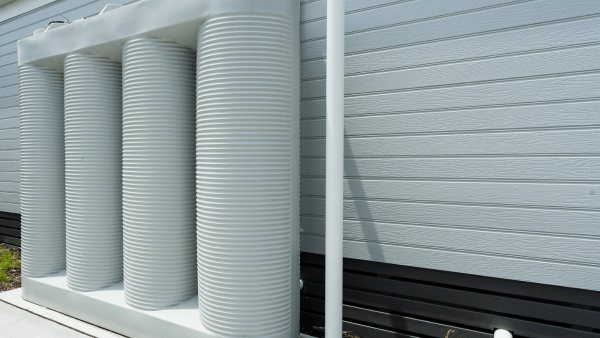
- Rain Barrels: These are simple and affordable systems that collect rainwater from downspouts and store it in barrels or tanks placed around the home. Rain barrels are suitable for small-scale water storage and can be easily integrated into existing gutter systems.
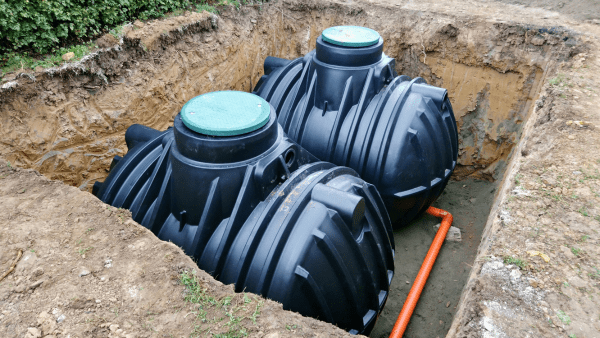
- Cisterns: Larger in capacity than rain barrels, cisterns are typically installed underground or aboveground and can hold hundreds to thousands of gallons of rainwater. They require more space and investment but offer greater water storage for larger properties or more extensive water needs.
- Green Roofs: Green roofs, or living roofs, incorporate vegetation and a growing medium on the roof surface, which absorbs and retains rainwater. While not strictly rainwater harvesting systems, green roofs can help manage stormwater runoff and reduce the load on municipal drainage systems.
- Read: Green Living on a Budget: How to Embrace Sustainability in Canadian Cities Without Overspending
Installation Process:
- Assessment: Begin by assessing your property’s suitability for rainwater harvesting, considering factors such as roof size, rainfall patterns, available space, and local regulations.
- System Design: Work with a qualified professional to design a rainwater harvesting system tailored to your specific needs and budget. This may involve selecting the appropriate storage capacity, filtration systems, and distribution methods.
- Installation: Once the design is finalized, hire a licensed contractor to install the system according to local building codes and regulations. This typically involves connecting gutters or downspouts to storage tanks or cisterns, installing filtration and overflow mechanisms, and setting up distribution pipes or pumps.
- Maintenance: Regular maintenance is essential to ensure the optimal performance of your rainwater harvesting system. This may include cleaning gutters and filters, inspecting for leaks or damage, and monitoring water quality.
Are you looking for a new home this spring? Give us a call today! Our real estate agents are more than happy to help you move into your dream home!