
Home insurance is becoming one of the fastest-growing costs of owning a home. After four straight years of rising premiums, the national average annual cost reached $2,948 in 2025 and is expected to increase to $3,057 by the end of 2026. That represents a 46.8% increase since 2020, nearly three times the rate of inflation. While the national average tells part of the story, some metro areas are seeing much sharper increases.
In parts of Colorado, Nebraska, Iowa, Minnesota, Illinois, and California, soaring insurance costs are making homeownership more expensive for buyers and existing homeowners.
Here are the U.S. metros where home insurance premiums are rising the fastest, and what is driving those increases.
Jump Ahead
What Homeowners Are Experiencing
A recent Pew Research Center survey shows just how widespread the pressure has become. Among 3,524 U.S. adults surveyed, including 1,236 homeowners, 71% said their home insurance costs had increased over the past few years. Nearly half of homeowners, 42%, said their premiums had risen “a lot,” while only 2% reported seeing their costs decline.
Higher-income homeowners were the most likely to report premium increases, with 80% saying their costs had gone up. That was followed by 75% of middle-income homeowners and 54% of lower-income homeowners. However, the lower rate among lower-income households does not necessarily mean they are seeing more affordable premiums. Instead, many are dropping coverage altogether because they can no longer afford the cost, leaving their biggest financial asset exposed.
Rising insurance costs are showing up in homeowners’ budgets across the country, not just in places known for natural disasters. Many homeowners believe insurers are driving the increases, with 65% pointing to company profits and 61% citing higher rebuilding costs. Extreme weather ranked lower at 46%. The reality is more complicated, as insurance rates are influenced by a mix of climate risks, repair costs, claims, and industry pricing decisions.
The Metros and States Seeing the Steepest Increases
Florida and Louisiana often dominate conversations about rising insurance costs, but the biggest increases over the past five years have happened elsewhere. States across the Mountain West, Great Plains, and Midwest have seen some of the fastest premium growth, driven largely by hailstorms and severe thunderstorms.
Colorado
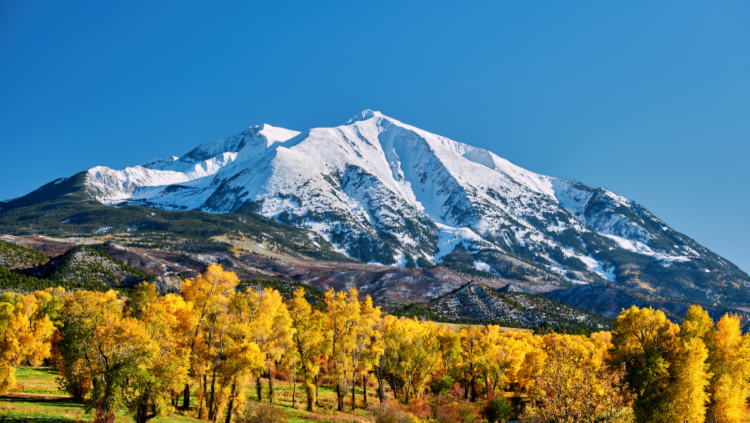
Between 2020 and 2025, home insurance rates in the Denver-Aurora-Lakewood and Boulder metro areas more than doubled, rising 100.8% over five years. The increase included an 18.3% jump in 2025, the largest annual increase nationwide.
With average premiums reaching approximately $4,310, Colorado homeowners now pay significantly more than the national average. Although wildfire risk remains a concern, hail damage has been the primary driver, leading to higher claims, underwriting losses, and continued repricing by insurers.
Iowa and Minnesota
Iowa homeowners saw premiums rise 96.0% between 2020 and 2025, including a 14.7% increase in 2025 alone. The jump was linked largely to rising wind and hail claims, particularly across the Des Moines metro area.
Minnesota followed closely behind, with premiums climbing 88.2% over the same period and increasing another 17.0% in 2025 as severe hailstorms caused widespread damage in Minneapolis-St. Paul suburbs.
Nebraska
Nebraska highlights how severe weather risk is reshaping insurance markets across the Great Plains. Homeowners insurance premiums have increased 72.2% since 2020, and projections point to another 13% increase in 2026. As costs continue to rise, homeowners in metro areas such as Omaha and Lincoln are facing some of the highest insurance expenses nationwide.
Illinois

Illinois is a reminder that rising home insurance costs are no longer limited to coastal states or areas with major wildfire risks. Homeowners across the state have seen premiums rise 68% since 2020.
In the Chicago-Naperville-Elgin metro area, severe convective storms have become a major driver of higher claims and insurance costs. With Illinois ranking seventh in the country for cumulative rate growth and another 5% increase projected for 2026, insurance is becoming a bigger consideration for buyers evaluating the true cost of homeownership.
California
California homeowners are seeing the impact of wildfire risk show up directly in their insurance bills. The state is projected to have the biggest insurance increase in the country in 2026, with premiums expected to rise 16%. The jump follows the devastating Palisades and Eaton fires in January 2025, which caused an estimated $61.2 billion in damage.
In many fire-prone communities, including parts of Los Angeles, Riverside-San Bernardino, and San Diego, some insurers are pulling back or restricting coverage, making insurance harder and more expensive to find.
Georgia and New Mexico
Georgia and New Mexico are also seeing above-average pressure, projected at 10% and 11% respectively, largely tied to expanding severe convective storm and tropical-remnant exposure.
High-cost insurance markets are not getting cheaper. Instead, their premiums have simply stopped rising as quickly. Florida remains the most expensive state for homeowners insurance, with average annual premiums ranging from about $8,300 to $9,449 depending on coverage levels. Oklahoma and Nebraska follow behind, with average costs exceeding $5,000 per year.
What’s Driving the Increases
Home insurance premiums are rising because the cost of risk has changed, even as the number of claims has declined. The 2026 LexisNexis U.S. Home Insurance Trends Report found that claim frequency fell 23.8% in 2025, but claim severity reached a record level. The average claim cost increased 25.9% in one year and 93.2% since 2019.
This shift means insurers are dealing with fewer incidents but significantly higher payouts. Fire and lightning losses increased sharply, with loss costs rising 76.8% due largely to the Los Angeles wildfires. Meanwhile, the U.S. experienced 23 billion-dollar climate disasters in 2025, resulting in $115 billion in damage.
Insurance costs are also being pushed higher by rebuilding expenses. Since most homeowners’ policies cover full replacement costs, insurers must adjust coverage limits as construction materials and labor become more expensive. Rising reinsurance costs have added another layer of pressure, increasing the price insurers pay to protect against large-scale losses.
Where This Leaves Homeowners
The biggest shifts in home insurance pricing are happening outside traditional catastrophe zones. While Florida and Louisiana remain among the most expensive markets, states such as Colorado, Nebraska, Iowa, Minnesota, and Illinois are seeing some of the fastest premium growth.
For today’s buyers, insurance costs have become an important part of the overall affordability equation, alongside mortgage rates, taxes, and purchase price.
Rising premiums are catching buyers off guard late in the process. Get ahead of it and explore listings on Zoocasa. Start your search today.