
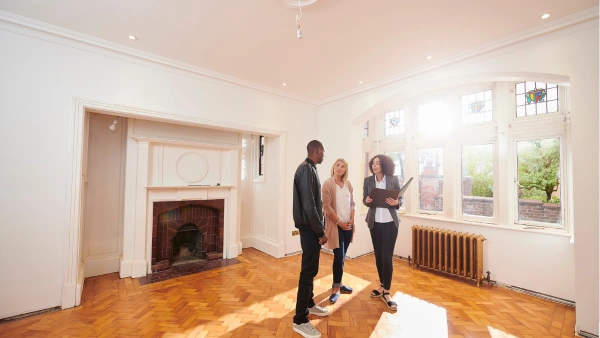
Viewing a property is both exciting and daunting, whether you’re buying your first home, upgrading, or seeking an investment opportunity. It’s not just about the aesthetics or feeling at home; a thorough property viewing can reveal much about the potential investment, hidden costs, and suitability for your lifestyle. This guide will walk you through essential aspects to consider when viewing a property, empowering you to make a well-informed decision.
Research Before the Viewing
Before you even step foot on the property, conduct some research. Look up the neighborhood, assess local property values, review crime rates, and examine future development plans. These factors will impact not only your daily life but also the future resale value of your property. Additionally, check online listings and property history; has it been on the market for an extended period or previously had multiple owners in a relatively short period of time? This can sometimes hint at underlying issues or a seller’s urgency to sell, which can influence negotiations.
Evaluate the Location Carefully
The property’s location is one of the most crucial factors in determining its value and suitability. Here are some aspects to consider:
- Accessibility: Proximity to public transportation, highways, and main roads can be a significant advantage. Consider commute times and the ease of accessing essential services.
- Schools and Education: If you have or plan to have children, research the quality of local schools. Areas with good schools tend to have higher property values.
- Local Amenities: Check for nearby supermarkets, parks, medical facilities, restaurants, and other conveniences that suit your lifestyle.
- Noise and Activity Levels: Observe noise levels, especially if you’re viewing during a quiet time of day. A peaceful area in the afternoon might be bustling at night.
- Future Developments: Sometimes, future developments can increase a property’s value, but they can also change the feel of the neighborhood or obstruct views. Local government websites often list planned developments.
Assess the Exterior of the Property
First impressions matter, and the exterior of the property can tell you a lot. As you walk around, keep an eye out for:
- Structural Integrity: Look for cracks in the walls, signs of subsidence (uneven floors or walls), and any visible sagging. Minor cracks are often harmless, but larger ones could indicate foundation issues.
- Roof Condition: Roof repairs can be costly. Check for missing, damaged, or curled shingles, and ask about the roof’s age.
- Gutters and Drainage: Inspect gutters and downspouts for clogs or signs of rust. Poor drainage can lead to water damage.
- Windows and Doors: These should be properly sealed to prevent drafts and water intrusion. Check for rot or peeling paint, especially if the property is older.
- Outdoor Space: Assess the yard, patio, or garden area. Overgrown landscaping could indicate neglect, while a well-maintained yard is often a good sign. Also, consider privacy, sunlight, and how the outdoor space suits your needs.
Inspect the Interior Layout
When you walk into a property, pay attention to the layout and how rooms connect. A property should meet your functional needs and align with your lifestyle:
- Room Sizes: It’s easy to underestimate room sizes, so bring a tape measure or visualize how your furniture would fit. Ensure there’s adequate storage space as well.
- Natural Light: Natural light improves comfort and reduces energy costs. Check which rooms get the most light, especially if you value bright living spaces.
- Noise Levels: If the property is near a busy road, can you hear traffic inside? Thin walls may also mean noise carries easily from room to room.
- Flow of Space: Think about how you would use each room. A functional layout should make daily life more convenient, not frustrating.
Check for Structural and Maintenance Issues
Property inspections should always be done professionally, but even during an initial viewing, you can look out for warning signs that might require costly repairs:
- Walls and Ceilings: Check for damp spots, mold, or stains, which can indicate leaks due to poor insulations. Cracks in ceilings may suggest settling, which might be minor but should be noted.
- Flooring: Uneven or bouncy floors can point to structural problems. Pay attention to creaks, loose tiles, or worn carpets, as these could mean additional repair costs.
- Electrical System: Look for exposed wires, outdated fuse boxes, or any signs of overloaded outlets. Old wiring can pose safety risks and may need replacement.
- Plumbing: Run taps, flush toilets, and check water pressure. Look under sinks for signs of leaks, water stains, or corrosion.
- Heating and Cooling: Inspect the age and condition of the HVAC system or heating sources. A new or well-maintained system is energy-efficient, while an old one may require replacement.
Assess Energy Efficiency
With rising utility costs and environmental concerns, energy efficiency is more important than ever. Properties with efficient systems can significantly reduce your living expenses:
- Insulation: Well-insulated homes keep warmth in during winter and out in summer. Check if the property has double-glazed windows and adequate attic insulation.
- Lighting and Appliances: Look for LED lighting and energy-efficient appliances, which can lower your utility bills.
- Heating Systems: Ask about the heating system’s age and efficiency. Older systems may require more energy, while modern systems often provide better performance and lower costs.
Consider Security Features
Safety is a top priority when buying a home. As you inspect the property, evaluate its security features, including:
- Locks and Doors: Ensure that the locks on doors and windows are sturdy and functional. Doors should feel solid and ideally have deadbolts.
- Alarm System: Some properties may come with an alarm system, which is a valuable addition if you’re in a high-crime area.
- Outdoor Lighting: Outdoor lights around entry points are a plus for security. They help deter potential intruders and increase nighttime visibility.
- Neighborhood Safety: A safe neighborhood may make security features less of a priority, but always double-check crime reports or talk to locals to understand the area.
Check for Hidden Costs
A property’s purchase is only part of the equation. Consider any hidden costs associated with buying and maintaining the property, including:
- Renovation Needs: Even a ‘move-in ready’ property may require updates. Make a list of any necessary renovations and get a rough idea of potential costs.
- Homeowner Association Fees: If the property is part of an HOA, ask about fees and any restrictions. HOA fees can vary widely and may add a significant monthly expense.
- Property Taxes: Taxes can be a substantial cost. Check current property tax rates, and consider how they might impact your budget.
- Condo Fees: In the same vein as property taxes, check to see how much condo boards charge per month when looking at apartments to call home.
Ask the Right Questions
Don’t hesitate to ask questions during the viewing. Here are a few valuable ones:
- Why is the Property for Sale?: This can reveal valuable insights. For example, if the owner is relocating for work, they may be motivated to sell quickly.
- How Long Has It Been on the Market?: Properties that sit on the market may have issues that previous buyers noticed.
- What’s Included in the Sale?: Some fixtures or appliances may not be included, so clarify what will remain.
Trust Your Instincts
Finally, trust your instincts. If something feels off about the property, it might be worth considering why that is. Sometimes, your intuition picks up on things you may not notice consciously. If you feel uncomfortable, take your time before committing.
Viewing a property is an involved process that goes beyond what meets the eye. By considering these factors, you’ll be better prepared to spot potential red flags, assess the property’s true value, and find a place that feels like home. After all, buying a property is one of the most significant investments you will make, and with a thorough viewing process, you can avoid costly surprises and secure a property you’ll enjoy for years to come.
Are you looking to enter the real estate market this winter? Give us a call today! One of the experienced agents at Zoocasa will be more than happy to help you through the exciting home-buying process!