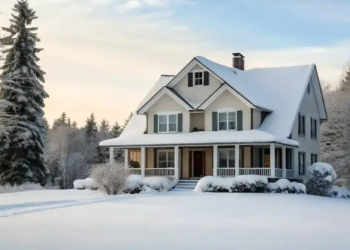
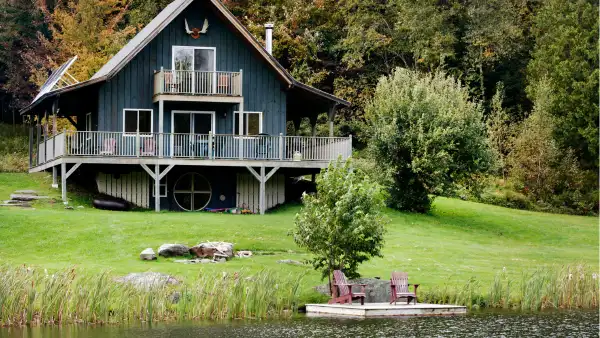
Owning a cottage in picturesque cottage country is a dream for many. Whether you’re looking for a weekend getaway, a place to create family memories, or even an investment opportunity, buying property in cottage country is a big decision. Even if you have experience purchasing your other residential properties, the process of buying in cottage country can be quite different. Here’s what you need to know:
Set Your Budget
Cottage properties can range from modest cabins to luxurious multi-storey (or even multi-building) lakeside estates. It’s easy to get caught up in the charm of the area, but it’s important to set a realistic budget before starting your search. Include not only the purchase price but also ongoing costs like property taxes, utilities, maintenance, and insurance.
Keep in mind that cottage country often has higher property taxes due to its natural amenities, and some properties may require special insurance for flood risk or seasonal use.
Understand Zoning and Restrictions
Unlike urban areas, cottage country properties are often subject to different zoning regulations and restrictions. Be sure to research building restrictions, waterfront laws, and environmental protection.
If you’re planning to add a dock or boathouse to your cottage, you’ll need to consult the specific zoning regulations of your property before making any renovations. This is especially important if you are building on a waterfront lot, where certain prohibitions may apply.
Examine Access and Infrastructure
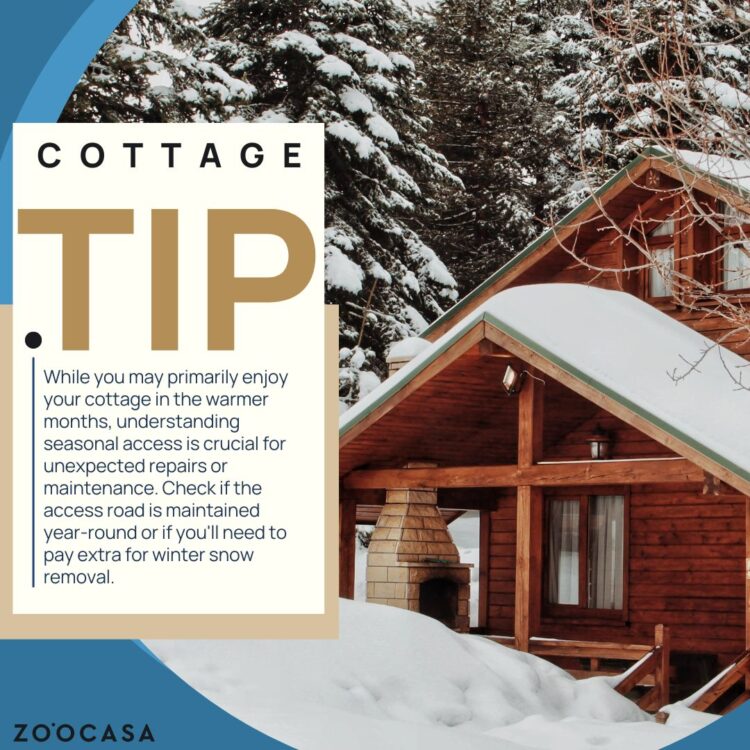
Access to your cottage is crucial, especially if you plan on visiting year-round. Before buying, check to see if the access road is maintained year-round, or else you might be relying on snowmobiles or ATVs during the winter months. Some questions you may want to ask before purchasing include:
- Does the property have access to municipal water, sewage, and electricity?
- Does the property rely on wells, septic systems, or propane? If so, these could require extra maintenance.
- How’s the water quality?
- Are the roads to your cottage privately maintained?
- Will you have to pay for snow removal?
If connectivity is important, check whether reliable internet or cell service is available in the areas, as some remote locations lack these amenities.
Inspect the Property Thoroughly
Cottage properties can sometimes come with unique maintenance challenges. Always schedule a professional inspection before finalizing your purchase. A home inspector can check for:
- Structural issues
- Plumbing and electrical systems
- The condition of the roof, windows, and doors
- Septic systems and well water, if applicable
- Signs of pest infections or mold
This is especially important for properties that have been vacant for a while or those in remote areas where wear and tear might go unnoticed.
Plan for Seasonal Maintenance
Owning a cottage comes with the responsibility of seasonal maintenance. If your property is in a cold region, you’ll need to winterize your plumbing, check the heating system, and ensure the property is secure.
Over the summer, regular lawn care, dock repairs, or clearing out storm debris might be needed depending on the location and property type. Don’t forget to factor these maintenance costs into your budget and lifestyle considerations.
Research Local Services
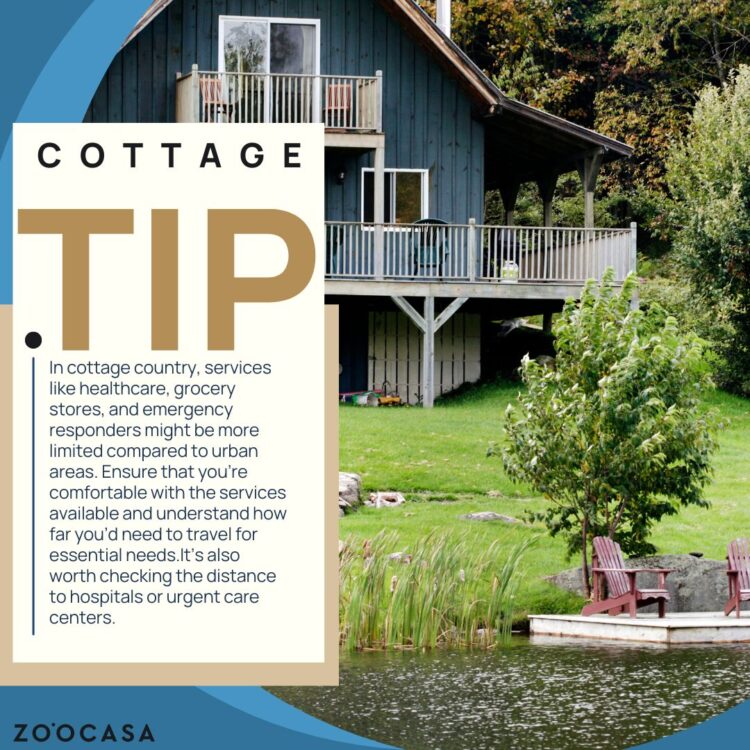
In cottage country, services like healthcare, grocery stores, and emergency responders might be more limited compared to urban areas. Ensure that you’re comfortable with the services available and understand how far you’d need to travel for essential needs. It’s also worth checking the distance to hospitals or urgent care centers, and if the local businesses have limited or seasonal hours.
Have Patience
Cottage country is often in high demand, especially in prime locations. It may take longer to find the perfect property or negotiate a good deal. Be patient, stay persistent, and don’t settle for something that does not meet your expectations just because you’re eager to close a deal.
Final Thoughts
Buying property in cottage country is a rewarding and exciting investment, but it requires careful consideration. By researching zoning laws, inspecting the property, understanding seasonal challenges, and working with the right professionals, you’ll be well on your way to making the perfect purchase.
Are you looking to enter the real estate market this winter? Give us a call today! One of the experienced agents at Zoocasa will be more than happy to help you through the exciting home-buying process!