
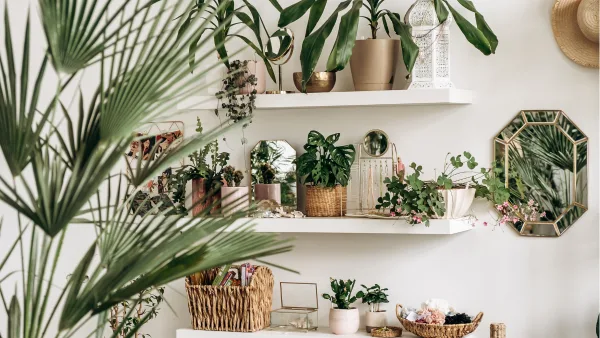
When winter settles in and the days grow shorter, many of us retreat indoors to escape the cold. But just because the outdoor world is dormant does not mean your indoor plants have to be. In fact, winter can be a tricky time for houseplants. The change in temperature, light levels, and humidity can all pose challenges to their health. However, with the right care and attention, your houseplants can continue to thrive throughout the colder months.
Here we will cover everything you need to know to keep your indoor plants happy and healthy during the winter season – from light and temperature considerations to watering, humidity, and troubleshooting common wintertime issues.
Light: The Winter Challenge for Houseplants
One of the biggest challenges for indoor plants during the winter is the reduced amount of natural light. The sun is lower in the sky, and the days are shorter, meaning your plants might not get as much light as they need to thrive. Some plants, especially tropical varieties, can show signs of stress when they don’t get enough light.
How to Address Low Light:
- Move Plants to Brighter Spots: In winter, try to place your plants near windows that get the most sunlight, such as south-or-west facing windows. Even though light is weaker, your plants can still absorb it.
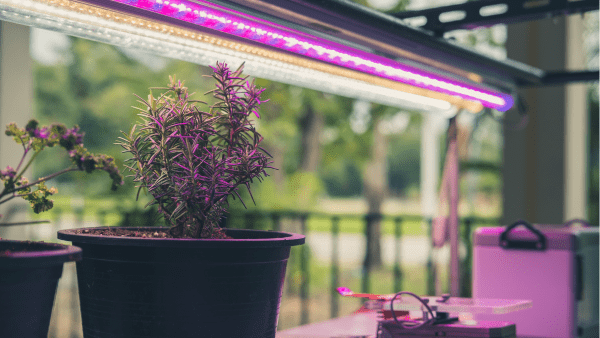
- Use Supplemental Lighting: If your plants require more light or are showing signs of stretching (etiolation) or yellowing, consider using a grow light. LED grow lights or fluorescent plant lights can provide the necessary spectrum of light for photosynthesis.
- Rotate Your Plants: Allowing your plant to get exposure to all available light by turning it to different sides will help it flourish and grow evenly.
Temperature: Keeping Your Plants Warm (But Not Too Warm)
Indoor plants, especially tropical varieties, are sensitive to temperature fluctuations. During the winter, cold drafts from windows or doors can make the environment more stressful for your plants. At the same time, indoor heating can create hot spots that dry out plants or make them too warm.
Temperature Tips
- Maintain a Steady Temperature: Most indoor plants prefer temperatures between 60-75°F (16-24°C). Avoid placing plants near drafty windows, radiators, or heating vents. Keep them in areas with stable temperature conditions.
- Monitor Room Temperatures: If possible, use a room thermometer to make sure your plants aren’t exposed to extreme temperature variations. Drafty spots or sudden temperature drops can cause stress and make plants more susceptible to disease.
- Protect from heat sources: Keep plants from direct contact with radiators, space heaters, or fireplaces. The dry air can lead to dehydration, and the fluctuating temperatures can cause stress.
Watering: Less is More in Winter
During the winter months, many houseplants enter a period of dormancy or slow down their growth. As a result, their water requirements decrease. Overwatering is one of the most common mistakes plant owners make in the winter, as the reduced light and cooler temperatures mean the soil doesn’t dry out as quickly as in warmer months.
How to Water Correctly in Winter
- Check Soil Moisture Regularly: Always check the soil’s moisture level before watering. If you can feel that the soil is still moist about an inch below the surface, wait a few more days before watering.
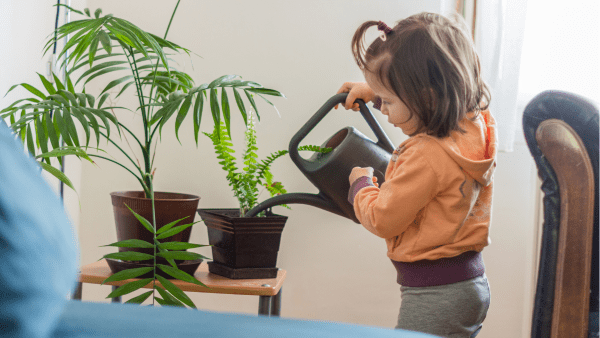
- Water Deeply but Infrequently: Water your plants thoroughly, but don’t let the plant sit in water. Let the excess water drain out from the bottom of the pot.
- Consider Reducing Watering Frequency: Many plants, like succulents, cacti, and certain houseplants, need even less water in winter due to their reduced growth.
Humidity: Keeping Your Plants Moisture-Rich
Winter air is notoriously dry, especially if you use heaters or live in a region with low humidity. This dry air can lead to dry, crispy leaf edges and leaf drop, especially for plants native to tropical or subtropical environments. Plants like ferns, orchids, and peace lilies are especially sensitive to low humidity.
How to Boost Humidity
- Use a Humidifer: A humidifier is one of the most effective ways to maintain the moisture level in the air around your plants. Set it near your plant collection to create a more favorable environment.
- Group Plants Together: Plants naturally create a microclimate around themselves. By grouping plants together, you can increase the humidity in their immediate environment.
- Misting: You can mist your plants with water to boost humidity, but be careful not to overdo it. Excess moisture on the leaves can promote fungal diseases, so mist lightly, preferably early in the day to allow the leaves to dry by evening.
- Place Plants on Trays of Pebbles and Water: For a more passive approach, place a shallow tray filled with pebbles and water under your plants. As the water evaporates, it will increase the humidity around the plant. Just make sure the pots don’t sit directly in the water to avoid root rot.
Soil and Fertilization: Less is More in Winter
Plants typically require less fertilization in the winter months. Since many plants slow down or go dormant, they don’t need as much nutrition as they would during the active growing season. Over-fertilizing can lead to salt buildup in the soil, which can harm your plants.
Fertilization Tips
- Cut Back on Fertilizing: If you’re using a liquid fertilizer, reduce the frequency to once a month or or every six weeks. Some plants, like succulents, may not need any fertilizer at all during the winter.
- Use Diluted Fertilizer: When fertilizing, use a diluted solution to avoid overfeeding.
- Repot Only if Necessary: Winter is generally not the best time to repot plants, as they are not actively growing. Only repot if your plant has outgrown its pot or you notice other signs of stress that suggest the roots are cramped.
Common Winter Problems and How to Solve Them
Even with the best care, plants may still face some winter-specific challenges. Here are some common problems and solutions.
- Yellowing Leaves: This can be a sign of overwatering, poor drainage, or insufficient light. Make sure the soil isn’t too soggy, and consider moving the plant to a brighter spot.
- Leaf Drop: If your plant starts dropping leaves, it could be due to a sudden temperature change, too much direct heat, or low humidity. Check for drafts, adjust humidity levels, and move the plant to a more stable environment.
- Leggy Growth: Insufficient light can cause plants to stretch and become leggy. Consider supplementing with artificial light, or move plants to a sunnier location.
- Pests: While winter is generally a less active time for pests, some plants may still attract spider mites or aphids. Check the underside of leaves regularly, and treat with insecticidal soap or neem oil if necessary.

General Winter Plant Care Tips
- Observe Your Plants: During the winter, you should pay close attention to your plants’ needs. Look for subtle signs of stress, such as yellowing leaves or stunted growth, and address issues promptly.
- Minimize Plant Movement: Try not to move your plants around too much. Moving them from one spot to another can expose them to new conditions that might be stressful (different light, temperature, etc).
- Be Patient: Winter is a slower time for plants, and many go dormant or grow more slowly. Don’t panic if your plant isn’t as active as it was in the summer. Give it time to rest and recuperate.
Final Thoughts: Winter Can Be a Restful Time for Plants
While the colder months may seem harsh, with the right care, your plants can not only survive, but thrive through the winter. Focus on adjusting their environment to suit the seasonal changes, providing sufficient light, stable temperatures, and adequate humidity. By tending to their needs and staying vigilant for signs of stress, you’ll ensure your plants stay healthy and vibrant until spring returns.
Are you looking to enter the real estate market this winter? Give us a call today! One of the experienced agents at Zoocasa will be more than happy to help you through the exciting home-buying process!