Home insurance is a smart thing to have, as it protects one of your largest investments. It protects your property and belongings inside from certain perils. While it is not mandatory to have home insurance, it is required by lenders should you need a mortgage to purchase a house.
Home insurance coverage can be confusing at times with what is covered and not covered. Many people are not 100% sure about the exact types of coverage they have, and when something happens, that’s when they, unfortunately, find out that they were not properly insured.
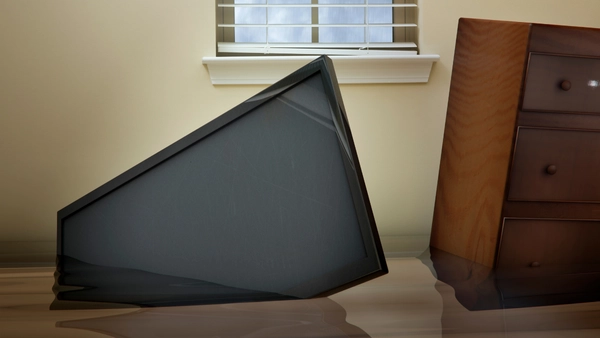
One example of this is flood damage. Home insurance coverage protects your home from some types of flood or water damage, but there are specific causes and damages that are not covered. This can be confusing so knowing the specifics of your coverage is key.
What is flood insurance coverage?
Flood insurance is still pretty new in Canada, as it was only introduced in 2015. It is commonly referred to as overland water coverage and is a type of insurance that financially safeguards your property from overland water damage.
Overland flood is an industry term that refers to widespread flooding events that are
specifically caused by rain, melting snow, or the overflow or breaking out of water from a dam, river, or lake.
Flood coverage isn’t generally included in homeowners insurance policies — in most cases, it’s considered a named peril, which is something that you add to your existing policy for extra protection.
What IS typically covered with home insurance?
Here is a list of perils (or hazards) that your homeowner’s insurance would typically cover damage from:
- Fire and smoke
- Wind
- Hail
- Explosions
- Theft
- Vandalism
- Falling objects
- Damage caused by the weight of snow, sleet or ice
- Water damage caused by a household appliance or burst pipe
- Power surges
- Civil unrest or riot
While flood insurance is offered by some of the top-rated insurance companies, there are different names for it including overland flood insurance, inland flood insurance, and enhanced water damage coverage. Make sure you know what you want coverage for.
Flood insurance is optional coverage you can add to your existing home insurance policy and is usually added on at no extra cost. The level of flood risk in your area determines your premium amount, so if you live in a very high-risk area, some insurance companies may not offer coverage or will charge a higher premium.
What are the different flooding scenarios that can happen?
Here are some of the ways that flooding can happen in your area:
- Rain-related flooding — this occurs when there is heavy or ongoing rainfall and the ground cannot properly drain
- Overland flooding — this occurs when rivers or lakes overflow their banks due to heavy rainfall, melting snow or ice.
- Flash floods — this occurs when hurricanes or other extreme weather events/storms take place.
In Canada, flood insurance used to be uncommon, but that has now changed due to the increase in natural flooding disasters due to climate change. Almost 20% of Canadians live in flood-prone, or high-risk areas — either along the coasts or in the Maritimes.
According to the Government of Canada, floods are the most common natural hazard in the country, causing over $1 billion in damages annually.
Who should get flood insurance?
Those in high-risk areas like Manitoba, Ontario, and Quebec will likely want to consider flood insurance. Although it is not mandatory, a homeowner should invest in the coverage if they feel the risk is too high to bear and they cannot cover the costs of damage in the unfortunate event of a flood.
Every home insurance provider has what they call “risk maps” that cover the ‘flood zones’ and it is how they determine pricing and eligibility of coverage. Keep in mind these maps can have outdated information so knowing your local area and doing your own research is key — it can help weigh the risks against the cost of purchasing flood insurance.
What does flood insurance cover?
Flood insurance covers water damage that is a result of a ‘natural flood’ that is out of your control. For example, you’d be able to file a claim if the flood was a result of one of the following events:
- Heavy rainfall
- Melting snow, slush, or ice
- Overflow from a nearby dam
- Rising water levels in nearby ponds, lakes, or rivers
What is not covered by flood insurance?
Your insurance provider will not cover water-related damage caused by negligence or lack of proper maintenance. Some examples include:
- Broken or leaking pipes (although it may be covered under your homeowner’s insurance)
- Overflowing toilets
- Broken sprinkler systems
- Damaged appliances (leaking dishwashers, refrigerators, etc.)
Things like faulty plumbing, toilet overflows, broken sprinkler heads, etc. are not considered “floods” and are excluded from the definition of flooding, but these things may be included in a comprehensive homeowners policy.
Flood insurance also does not cover damage from flooding coastal waters, salt water, storm surge, tsunamis, tidal waves, rising water tables, or sewer backups.
Learn more about broken and burst pipes and what may or may not be covered under your home insurance policy.
Does sewer backup count as flooding?
No, sewer backup requires specific coverage that you would add to your existing policy, like flood insurance. If you do get the coverage, you will need to get a sewer backup valve installed, otherwise, it would be seen as “poor maintenance”.
Sewer backup insurance covers the cost of cleaning and repairing damaged areas of your home as well as replacing/restoring damaged possessions.
In some cases, if you want overland flooding coverage, you may also have to get sewer backup coverage as well because they tend to go hand in hand. When there is water damage and a claim is filed, the cause can usually be a mix of sewer waste and clean flood water.
Because of the difficulty to determine what came first, your insurance provider may ask that you pay for both types of coverage.
For more information on flood insurance coverage, you can always talk to your insurance advisor about your specific situation.