
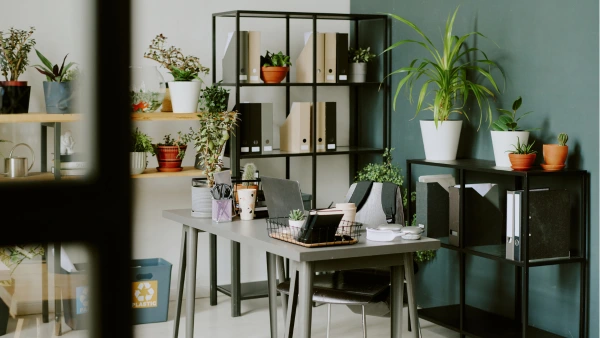
In a world where technology and urbanization seem to be steadily taking over our lives, there’s a growing trend that reconnects us with something timeless and essential: nature. Biophilic design, a concept that integrates natural elements into the built environment, is revolutionizing the way we think about our living and working spaces. By bringing nature indoors, biophilic design creates healthier, more restorative environments that nurture our well-being and productivity. But what exactly does this mean, and why should we care?
What is Biophilic Design?
As the most popular design trend for 2025, according to experts, biophilic design is more than just incorporating plants into your home or office. It’s about creating a harmonious relationship between indoor spaces and the natural world. The term “biophilia” was coined by biologist Edward O. Wilson in the 1980s, referring to humanity’s inherent affinity for nature. Biophilic design takes this concept and applies it to architecture and interior design by blending natural elements—such as light, air, water, plants, and organic shapes—into the spaces where we live, work, and play.
Dr. Graeme Larsen from the University College of Estate Management says “Biophilia is a powerful concept for helping us understand and enact sustainability and sustainability development.”
The goal? To create environments that feel as natural and rejuvenating as the outdoors, while providing a break from the often sterile and artificial atmosphere of conventional indoor spaces.
Key Principles of Biophilic Design
Natural Light
One of the most basic yet powerful elements of biophilic design is the use of natural light. Studies have shown that exposure to natural light improves mood, boosts productivity, and helps regulate sleep cycles. Large windows, skylights, and open floor plans can bring sunlight deep into interiors, making spaces feel more expansive and connected to the world outside.

Indoor Plants and Greenery
Plants are perhaps the most obvious and widely recognized element of biophilic design. They don’t just add aesthetic value—they also improve air quality, reduce stress, and increase focus. Whether it’s large statement plants like fiddle-leaf figs or smaller desk plants like succulents, greenery can enhance any space. Urban jungle aesthetics are growing in popularity, encouraging people to fill their homes with a variety of plants for both functional and visual benefits.
Water Features
The sound of water has a calming effect on the mind and body. Incorporating water features—whether through a small fountain, an indoor pond, or a living wall with integrated water streams—helps to evoke the peaceful and serene qualities of nature. Water has been linked to reduced stress levels and can create a more tranquil atmosphere in both home and office environments.
Natural Materials
The use of materials like wood, stone, bamboo, and cork brings tactile warmth to a space and connects it with the earth. Wood, for example, can evoke a sense of comfort and stability, while stone brings texture and grounding energy. Natural materials don’t just look beautiful; they also enhance acoustics, regulate temperature, and add a sense of timelessness.

Organic Shapes and Forms
Straight lines and sharp edges are often associated with the artificiality of modern design. In biophilic spaces, soft, organic forms inspired by nature are favored. Curved furniture, rounded walls, and flowing designs help mimic the natural world, creating a sense of fluidity and calm. These shapes also improve the overall aesthetics, making spaces feel more inviting and less rigid.
Connection to the Outdoors
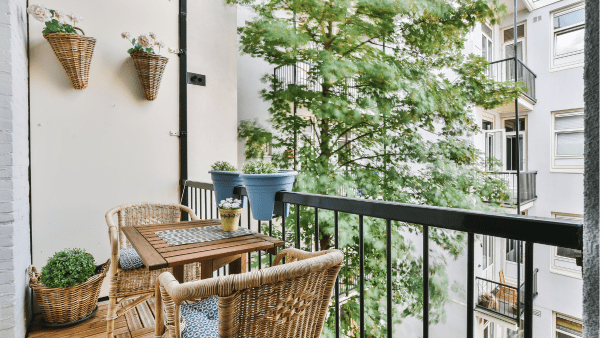
Biophilic design encourages seamless transitions between indoor and outdoor spaces. Expansive sliding doors, terraces, balconies, or garden courtyards blur the boundaries between your home and nature, fostering a stronger sense of connection to the environment. Views of trees, plants, or water can provide visual stimulation and mental relief, especially in urban settings where greenery may be scarce.
Why Biophilic Design Matters
Mental and Physical Health Benefits
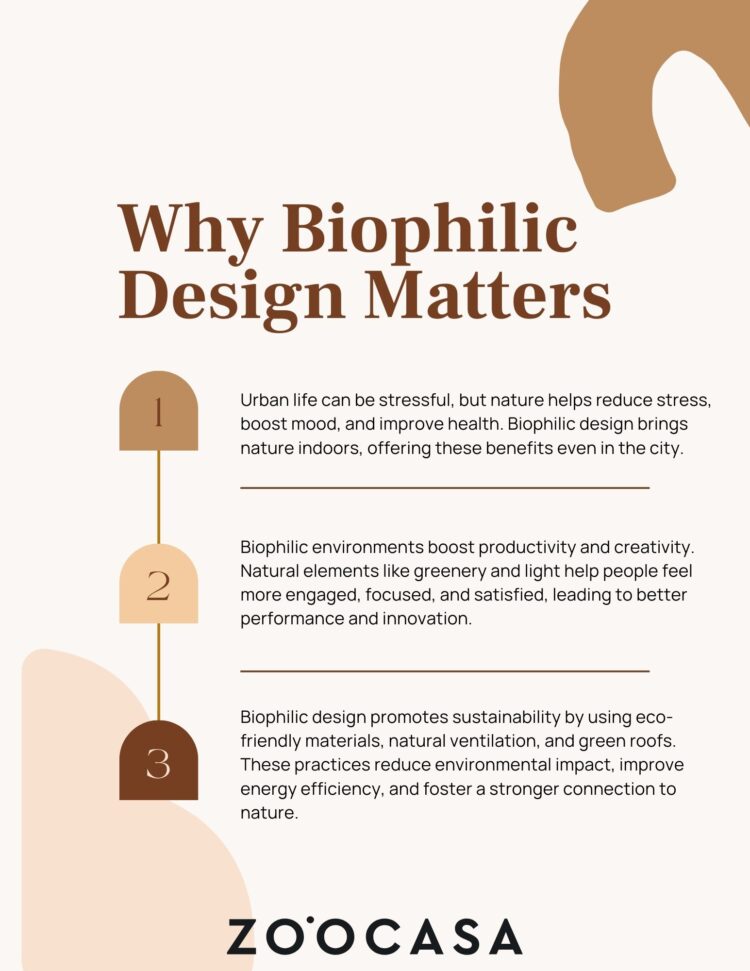
It’s no secret that urban environments can sometimes feel isolating and stressful. The constant buzz of city life, coupled with long working hours in sterile office environments, can take a toll on our mental and physical health. Research has shown that exposure to nature has numerous benefits—reducing stress, boosting cognitive function, improving mood, and even accelerating healing in medical settings.
By bringing nature indoors, biophilic design offers a simple but effective way to counteract these negative effects. Whether it’s through the calming influence of plants, the rejuvenating power of sunlight, or the serene sounds of water, biophilic design provides the therapeutic benefits of nature, even in the heart of a bustling city.
Increased Productivity and Creativity
Studies have shown that biophilic environments can enhance productivity and creativity. Employees working in spaces with natural elements tend to feel more engaged, focused, and satisfied. By incorporating greenery, natural light, and stimulating visual elements, biophilic design encourages a sense of well-being that can lead to better performance and more innovative thinking.
Sustainability and Eco-Consciousness
As we face increasing concerns about climate change and environmental degradation, biophilic design offers a way to make spaces more sustainable. Many biophilic design principles—such as the use of sustainable materials, natural ventilation, and green roofs—help reduce the environmental impact of buildings. These practices not only promote energy efficiency but also encourage a deeper connection to the natural world, fostering eco-consciousness among occupants.
Simple Ways to Integrate Biophilic Design into Your Space
- Add a Green Wall: Create a living wall in your living room or office with a mix of lush plants. This vertical garden not only purifies the air but also adds an artistic touch.
- Incorporate Natural Textures: Use natural materials like wood, stone, and wicker in furniture, flooring, and décor to give your space a warm, earthy vibe.
- Maximize Windows: If possible, opt for large windows that let in as much natural light as possible. You could even add a window seat for reading or relaxation.
- Create Outdoor Spaces: If you have a garden, terrace, or balcony, treat it as an extension of your living space by adding comfortable seating, plants, and natural materials.
- Use Organic Shapes: Choose furniture and décor that features flowing, curvilinear lines rather than harsh geometric shapes.
- Bring the Outdoors In: Consider adding a few key plants—perhaps a tall fern in the corner or a cascading ivy to frame a window. Even a few small plants on a desk can make a big difference.
Final Thoughts
Biophilic design is about more than just making spaces look pretty—it’s about creating environments that nourish our bodies, minds, and spirits. As we spend more time indoors than ever before, bringing nature inside has never been more important. Whether you live in a tiny apartment or work in a bustling office, biophilic design offers a way to reconnect with nature and foster a sense of peace and well-being. By embracing this design philosophy, we can make our spaces not only more beautiful but also healthier and more inspiring places to live, work, and thrive.
Are you looking to enter the real estate market this winter? Give us a call today! One of the experienced agents at Zoocasa will be more than happy to help you through the exciting home-buying process!