

In 1925, English writer Aldous Huxley famously said that Los Angeles was like “19 suburbs in search of a city.” Today, the Greater Los Angeles area has expanded to a lot more than just 19 suburbs. The metropolitan area encompasses five counties, at least 88 cities, and over 200 neighborhoods.
With such a vast area to explore, choosing the best suburb of Los Angeles to live in becomes just as complex as navigating the city’s notorious crisscrossing freeways.
Fortunately, that’s where Zoocasa comes in. We analyzed 66 Los Angeles suburbs, ranking them by affordability, safety, price appreciation, and convenience to help you find the best place to buy a home in.
The final score was calculated using five key metrics: median single-family home price, 10-year home price growth, price-to-income ratio, walk score, and property crime rates. Each metric was normalized and weighted to reflect its importance in assessing overall value.
Ventura County Tops the List
If you’re looking to get away from the hustle and bustle of downtown LA, then Simi Valley is the suburb for you. Located 37 miles northwest of LA, Simi Valley is home to hiking and mountain biking trails, lush golf courses, year-round cultural festivals, and the Ronald Regan Presidential Library. Simi Valley’s median single-family home price of $875,000 is also significantly lower than that of other cities. However, that doesn’t mean it lacks price appreciation potential.
Since 2015, the median home price in Simi Valley has increased by 66.7%, offering a great return on investment for homebuyers. And with one of the lowest property crime rates in the Greater Los Angeles Area, at just 970 incidents per 100,000 people, homeowners can rest easy.
For reference, the rate of property crime incidents in the state of California is 2,326 per 100,000 people. Nationally, it is 1,917 per 100,000 people, putting Simi Valley far below both the state and national averages.

The other Ventura County cities to rank in the top ten are Moorpark and Thousand Oaks. Both offer slightly higher home prices, at over $1 million, but rank high for safety. In fact, Moorpark is the safest city on the list with just 680 property crime incidents per 100,000.
Santa Clarita is another city that excels in both value and safety. At $860,000, its median home price is almost unbeatable in Los Angeles County. But what really sets Santa Clarita apart is its ten-year price growth. Among 67 cities analyzed, Santa Clarita had the fourth-highest growth rate (117.7%), rivaling the more expensive enclaves of Malibu (190.9%) and Newport Beach (143.9%).
Where to Live in Orange County
Yorba Linda is the highest-ranking city in Orange County, but home prices are steep, with an average of over $1.5 million. However, that may not be a problem if you’re making the median household income of $146,923. Yorba Linda also has a more suburban feel than other areas in Orange County, which may make the high price worth it, especially for families with children.
Garden Grove, on the other hand, is a more affordable alternative, with median home prices at just over $1 million. City highlights include the oldest Koreatown in Orange County, Little Saigon, and an outdoor amphitheater, Garden AMP.
However, if affordability is the most important factor for you, then La Habra or Anaheim are your best choices, as both cities have median home prices under $950,000. La Habra ranks higher than Anaheim on value, thanks to its higher income, greater walkability, and fewer property crimes.
High-Value Suburbs to Consider if Money Isn’t a Concern
Let’s face it, buying a home in Los Angeles is expensive. The minimum salary needed to support a four-person family in California is $287,456—triple what the current median household income is in Los Angeles.
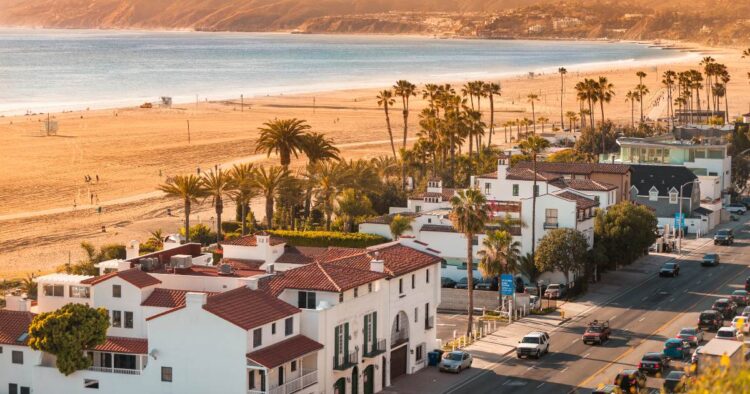
However, if you’re a high earner, there’s no better place to go home shopping than in Los Angeles. Rancho Palos Verdes is the standout for luxury real estate, with typical home prices coming in at around $1.8 million. Many homes offer unobstructed views of the coast, while nearby beaches, top-ranked schools, and the city’s relative seclusion keep prices elevated.
For $2 million and above, look toward Irvine and Calabasas. Both cities rank within the top 25 suburbs of Los Angeles due to their high incomes, low crime rates, and continued price growth.
Santa Monica ranked at the bottom of our list, but not because it’s a bad place to live. Its extremely high median home price of $4.3 million makes it inaccessible to the large majority of homebuyers. However, if you’re able to snag a home for less, it’s a great city to live in with very high walkability, direct ocean and beach access, and plenty of cafes and restaurants.
Similarly, other low-ranked, expensive cities like Manhattan Beach, Hermosa Beach, and Malibu aren’t bad places to buy a home. They just require access to a degree of wealth that most homebuyers don’t have.
What Our Ranking Shows and Doesn’t Show
Our ranking of the best suburbs of Los Angeles should act as a starting point for those new to “The City of Angels”, but it is by no means a definitive list. Different homebuyers will value different factors.
Buyers with children tend to place less importance on price and more importance on location, while buyers working downtown might value areas with good transit connections. A local real estate agent can better guide you to the neighborhoods that best suits your individual needs.
As such, it will be important for buyers to consider factors that our ranking doesn’t cover. For instance, wildfire risk. Some neighborhoods, particularly those near dry, mountainous areas, may be at a higher risk. Buyers may also want to consider factors like commute times, number of local parks, and the quality of nearby schools in their home search.
If you’re thinking about moving to Los Angeles, why not start browsing today? Zoocasa has thousands of up-to-date listings to help you get started on your homebuying journey.
Methodology:
Median single-family home prices were sourced from the California Association of Realtors for the August 2025.
Median incomes were sourced from the U.S. Census Bureau using the latest available figures.
Walk scores were gathered from Walkscore.com to assess each city’s walkability.
Property crime rates were gathered from Areavibes.com to assess each city’s safety.
Price-to-income ratios were calculated to determine each city’s relative affordability score.
Each metric was normalized and weighted to reflect its importance in determining the overall ranking. The following are each category’s weight: home prices (35%), affordability (35%), property crime rates (15%), home price growth (10%), and walk score (5%).