

Being born into a supportive family can feel like winning the lottery, but you don’t need to come from wealth to expect an inheritance at some point. In fact, Statistics Canada reports that the average Canadian homeowner receives $85,100 as an inheritance. At first glance, that may sound like a golden ticket, especially since it’s close to Canada’s median annual salary. But when it comes to putting that money toward a condo apartment down payment, how far it goes really depends on where you plan to buy.
Zoocasa analyzed how an $85,100 inheritance compares to a 20% down payment for the average condo apartment across major Canadian cities, factoring in median after-tax incomes and average rent. The findings reveal stark regional differences in housing affordability, showing that in some provinces, owning a home may be more within reach than many realize.
Where Inheritance Stretches the Furthest and Saving Is Actually Possible
In provinces like Saskatchewan, Manitoba, and Newfoundland and Labrador, the relationship between income, inheritance, and rent works in favour of buyers, making homeownership more attainable than in other parts of the country.
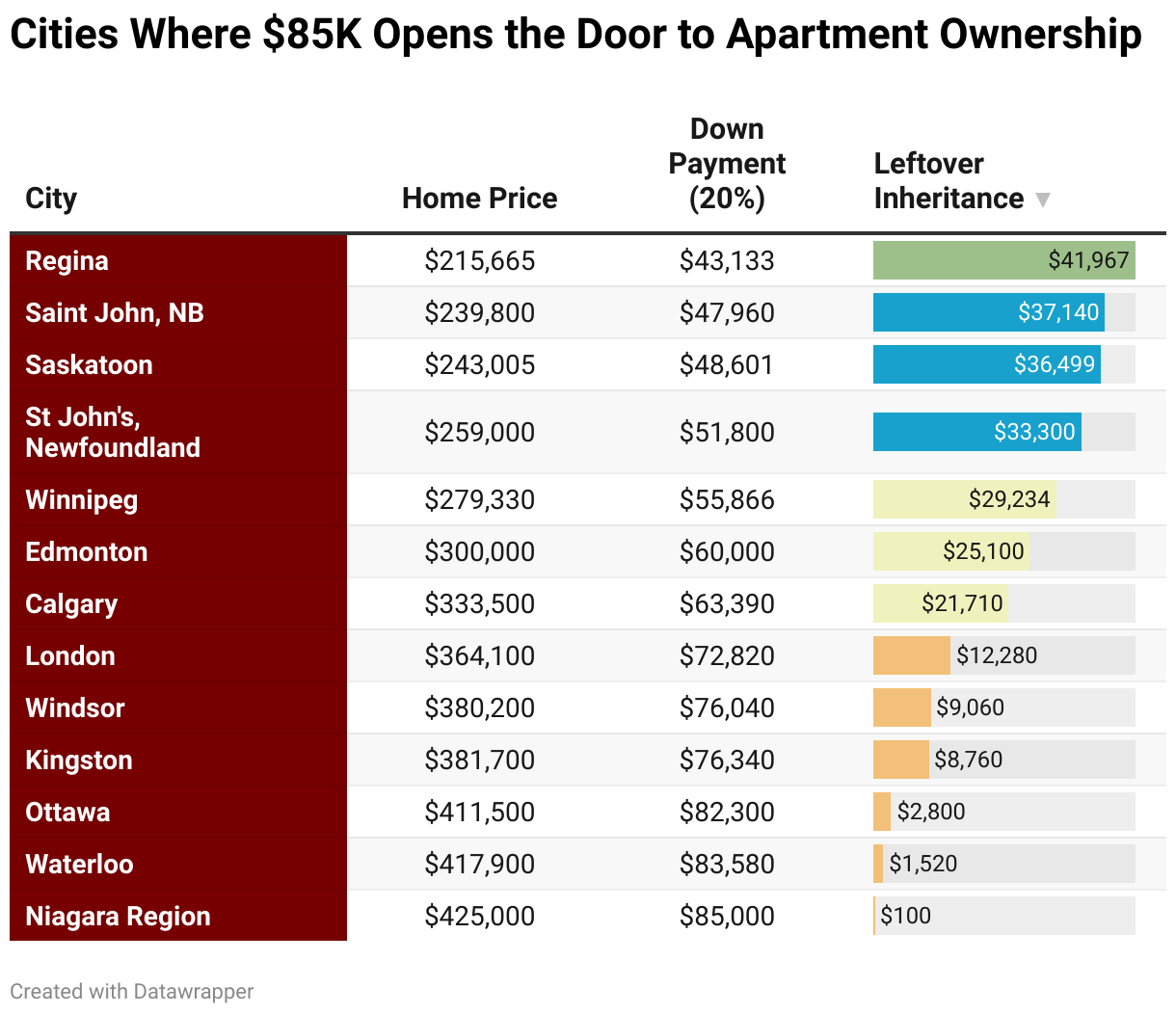
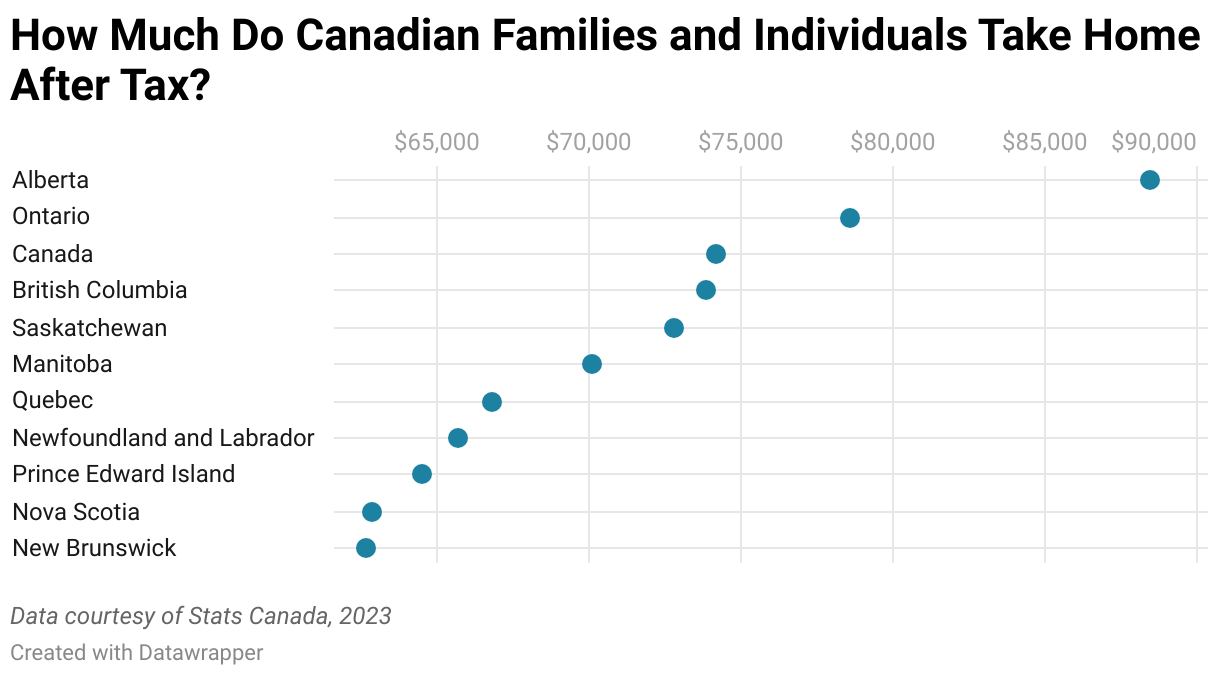
In Regina, the average price of a condo apartment is $215,665. This means that an $85,100 inheritance can cover the entire 20% down payment, leaving over $41,000. This amount is equivalent to 57% of Saskatchewan’s median after-tax income of $72,800.
Buyers in Regina can enjoy a high quality of life without sacrificing their budget. A median earner would spend just 21% of their income on rent, compared to 35–40% in more expensive cities.
However, even in the city where the average condo apartment price is ranked the most affordable, financial hardship remains widespread. According to a 2023-2024 report by the Regina Food Bank, nearly 22% of residents experience food insecurity, and food bank usage has increased by 76% over the past five years.
Alberta Offers a Rare Trifecta for First-Time Buyers
If one province offers a near-perfect setup for buyers, it’s Alberta. With the highest median after-tax income in Canada at $88,500, combined with home prices and rent that remain relatively affordable, Alberta presents a unique opportunity for first-time homeowners.
In Edmonton, where the average home price is around $300,000, an $85,100 inheritance covers the full 20% down payment, with $25,100 to spare. In Calgary, a buyer would only need $21,710 more, a gap that could realistically be filled in a few years by a single earner.
What sets Alberta apart, though, is its combo of high income and modest rent. In Edmonton, the average rent is $1,334/month, and in Calgary, it’s $1,602. This means a median-income earner in Edmonton would spend just 18% of their income on rent, leaving room for saving and future planning.
That said, Albertans aren’t immune to financial stress. According to a 2024 report by the Alberta Federation of Labour, 58% of those surveyed said that their standard of living has declined over the last two years, and 74% are worried or extremely worried about the rising cost of living. Many households have made cutbacks, with 77% turning down heating or lights to cut costs. Despite its strengths, Alberta’s affordability still exists within a backdrop of economic anxiety.
Related: 6 Moments That Made Vancouver’s Market the Real Estate Rollercoaster Ride of a Decade
High Incomes, Even Higher Hurdles in Ontario and BC
On paper, Ontario and British Columbia boast strong earnings, with median after-tax incomes of $78,600 and $73,900, respectively. But here, sky-high real estate prices quickly outpace any advantage income might offer.
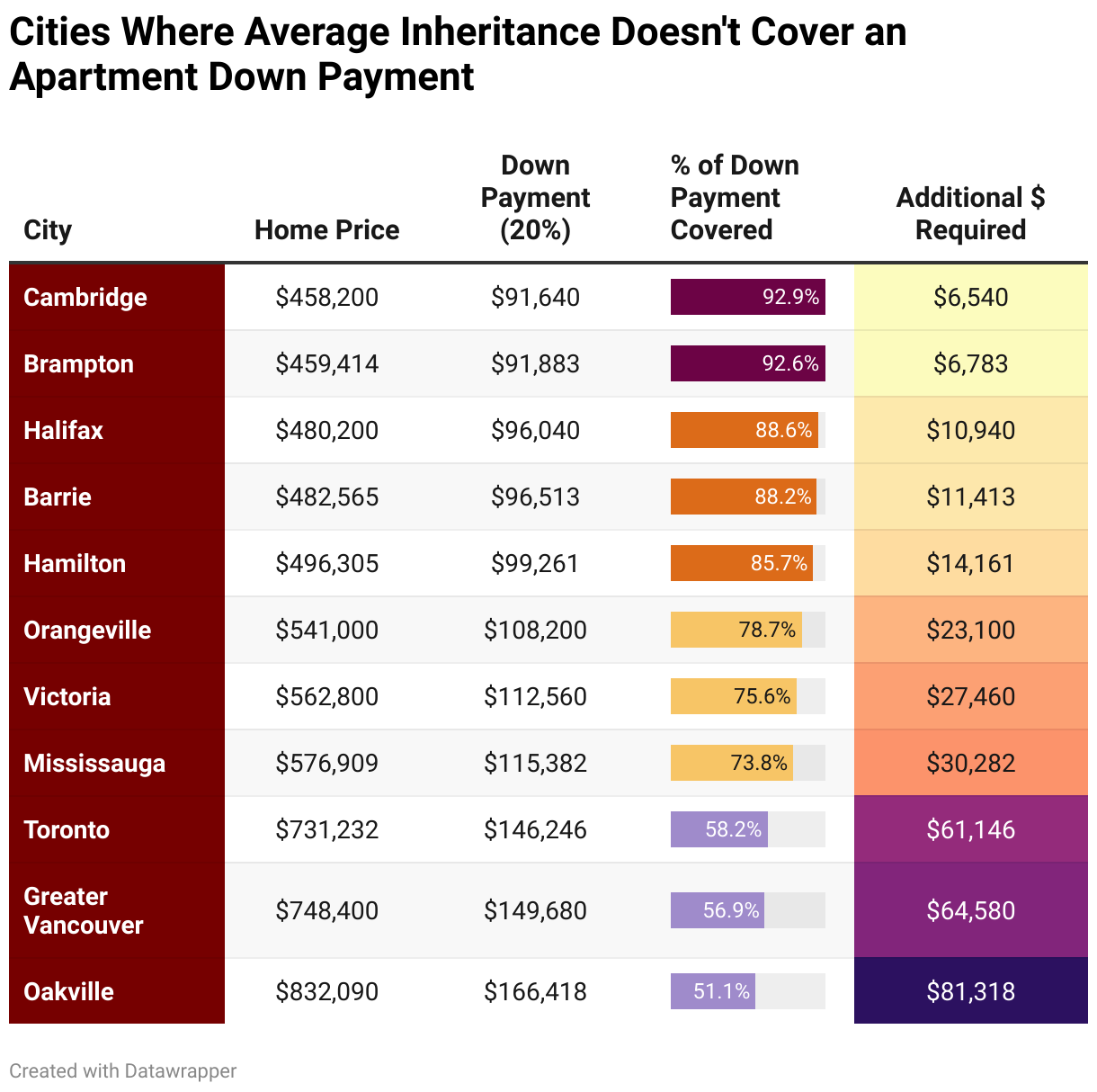
In Oakville, an $85,100 inheritance covers just 51% of a 20% down payment, leaving buyers to come up with an additional $81,000. In Toronto and Vancouver, inheritance covers only about 58% of the down payment, still leaving a gap of more than $60,000.
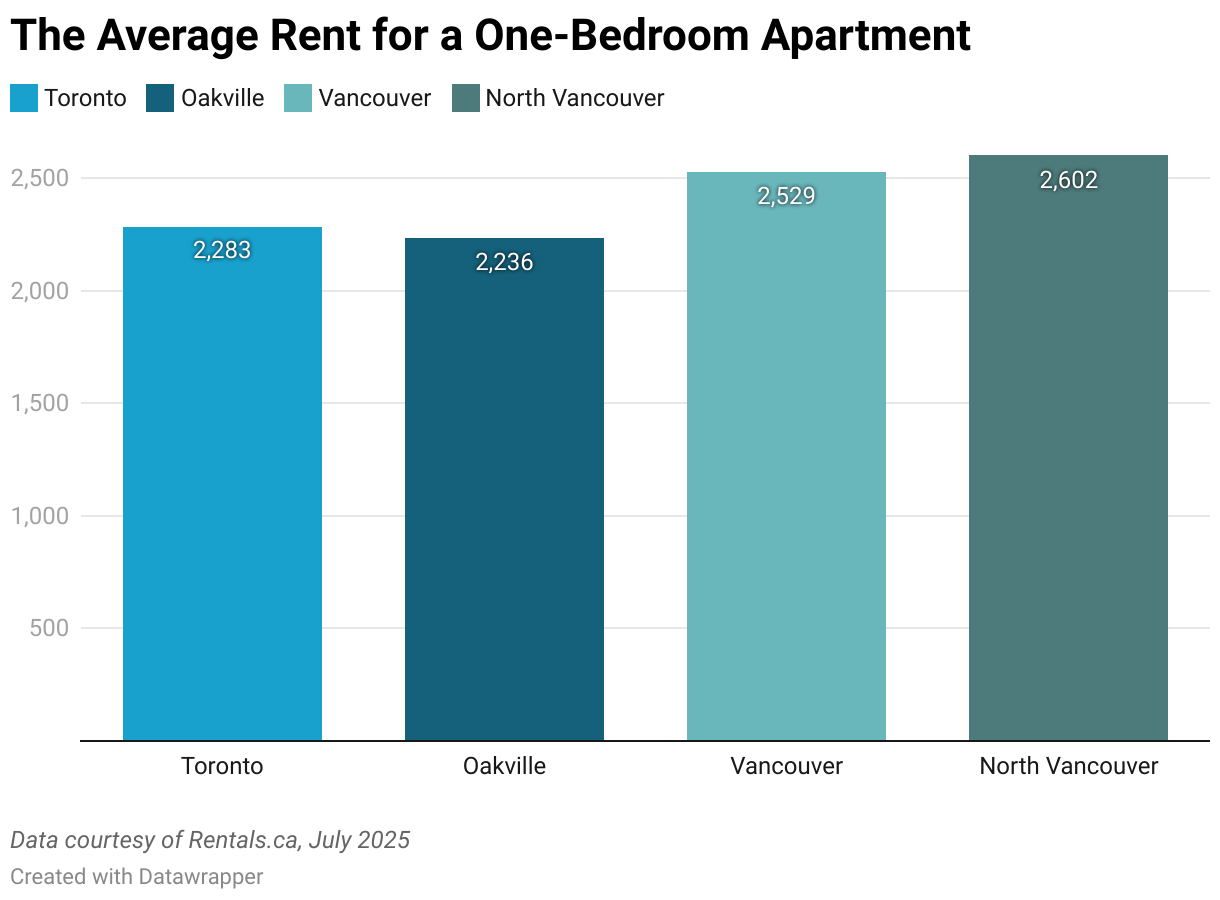
On the other hand, for many people living in BC and Ontario, the cost of waiting to buy a condo or apartment is just as punishing. Monthly rent averages over $30,000 per year in big cities, making it almost impossible for most single earners to afford a one-bedroom apartment.
For those living in Metro Vancouver specifically, the math simply doesn’t add up for many residents. Despite median incomes near $74,000, sky-high home prices and rents make it nearly impossible to save. Worse still, many earn far below what’s needed to survive.
According to the Canadian Centre for Policy Alternatives, the 2024 living wage in Metro Vancouver is $27.05/hour, but the province’s minimum wage is just $17.40/hour. That wage gap means nearly 500,000 workers (37% of paid employees) earn less than the living wage. In these regions, an inheritance often functions less as a launchpad and more like a temporary boost.
Renters and the Rising Strain of Canada’s Cost of Living Crisis
As reported by Food Banks Canada, nearly 70% of Canadians are homeowners, yet 7 in 10 food bank users are renters. This highlights an important truth: renters are often the most vulnerable to financial insecurity.
Currently, housing costs are the second-most common reason for visiting a food bank, demonstrating that Canada’s housing affordability crisis is closely linked to rental affordability, not just access to homeownership. If rent continues to consume a disproportionate portion of household income, an inheritance (regardless of its size) will have a limited impact on overall financial security.
Inheritance Is a Head Start, Not a Solution
An $85,100 inheritance can provide a meaningful boost, but its impact depends heavily on where you live and what you’re up against. In places like Regina or Edmonton, it might buy you a home and leave room to breathe. But in pricier markets like Toronto, Vancouver, or Oakville, it may only cover half the down payment, while rents drain the rest of your budget.
Across the board, rising costs of living, wage gaps, and regional disparities continue to challenge Canadians, owners and renters alike. Inheritance can help, but it’s no silver bullet. For genuine progress, systemic solutions to housing, wages, and affordability must be part of the conversation as well.
Thinking of buying your first home? The right real estate agent will help you navigate your move with confidence. Start your search today.