

Spring is one of the most revealing seasons in real estate. As snow melts and temperatures fluctuate, homes are forced to manage the stress left behind by winter. For buyers, this makes spring an ideal time to assess a property’s real performance. Knowing what to look for when viewing a property this spring can help you identify early warning signs.
Here’s where to focus your attention when evaluating different property types during spring showings.
Detached Homes

Detached houses require the most comprehensive inspection because the homeowner is responsible for the entire structure and surrounding property.
Spring viewings should focus on three main areas:
- The roof and attic system
- The foundation and drainage
- Interior mechanical systems
Roof and Attic Inspection
The roof is the home’s first defense against moisture. After winter snow loads and wind exposure, roofing problems become visible in spring.
Look for:
- Curling or lifted shingles
- Missing shingles or exposed underlayment
- Granule buildup in gutters
- Rust or separation around flashing near chimneys and vents
Inside the attic, check for moisture indicators such as dark streaks on wood decking, rusted nail tips, or musty odors. These often signal poor ventilation or previous ice dam damage.
Foundation and Drainage Conditions
Spring thaw places intense pressure on a home’s foundation. Saturated soil pushes against basement walls, and properties with poor grading struggle to move water away from the structure.
The ground around the home should slope away from the foundation, ideally dropping about six inches within the first ten feet.
Warning signs include:
- Efflorescence (white chalky powder) on the basement walls
- Horizontal foundation cracks
- Damp or musty basement smells
- Pooling water near the home’s perimeter
Mechanical Systems Transition
Spring also marks the transition between heating and cooling seasons.
During a viewing, inspect:
- Furnace filters and airflow
- Outdoor air conditioning units for winter debris or damage
- Plumbing around sinks and water heaters for leaks
Frozen pipes from winter may develop small fractures that only begin leaking once temperatures rise and water pressure increases. Additionally, exterior faucets should also be tested, since hose bibs are particularly vulnerable to freeze damage.
Condominiums

When viewing condos in spring, the biggest risks lie in the building’s shared infrastructure and financial management.
Structural Elements
Common areas like balconies, facades, and parking garages endure heavy exposure to winter conditions and road salt. Salt carried in by vehicles can penetrate concrete and corrode the steel reinforcement inside. Known as ‘spalling’, this process causes concrete to crack, flake, and separate.
During a viewing, look for:
- Rust stains on balcony edges
- Cracks wider than two inches
- Wobbling balcony railings
- Flaking or scaling concrete
- Exposed steel reinforcement
Parking garages often reveal early signs of deterioration, including water pooling or mineral deposits on ceilings.
Financial Health of the Condo Corporation
The structural condition of a condominium building depends heavily on the association’s finances. A well-managed building maintains a strong reserve fund, which pays for large repairs like roof replacements or elevator upgrades.
When reviewing condo documents, check:
- Reserve fund studies
- Funding levels (ideally 70–100%)
- Board meeting minutes from the past two years
Low reserve funds can lead to special assessments, where owners must pay unexpected fees for major repairs.
Townhouses
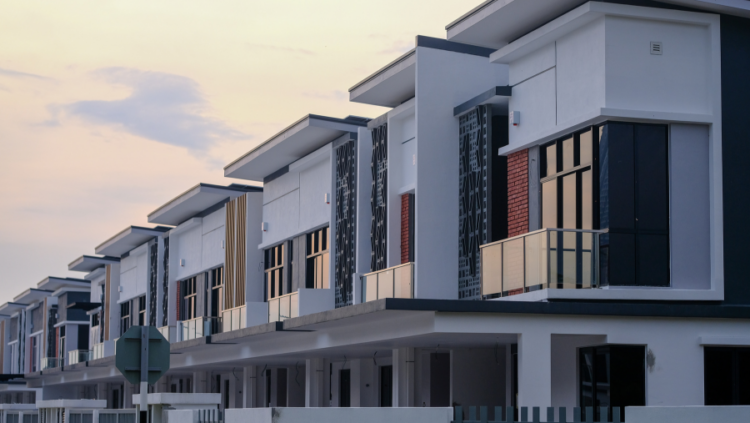
Townhouses sit somewhere between detached homes and condos in terms of ownership responsibility. They often involve shared structures, which can complicate maintenance and repairs.
Shared Roofs and Gutters
If multiple units share a continuous roofline, a leak from one unit can spread into another.
Spring viewings should check:
- Roof alignment between units
- Overflowing or clogged shared gutters
- Water damage on exterior siding
Governing documents, such as the Party Wall Agreement or maintenance matrix, clarify which repairs fall on the homeowner and which belong to the association.
Shared Plumbing and Sewer Risers
Multi-level townhouses often rely on shared vertical drainage pipes known as risers. Issues with these systems may appear as:
- Simultaneously, slow drains across units
- Sewer odors in hallways
- Gurgling plumbing sounds
Improper waste disposal, such as grease or “flushable” wipes, can clog shared pipes and cause backups affecting multiple homes.
Reading the Signs of Spring
As winter gives way to warmer weather, homes are forced to manage snowmelt and fluctuating temperatures all at once. These conditions create a natural stress test for everything from roofing systems to foundations and shared infrastructure. Knowing what to look for when viewing a property this spring helps buyers read these seasonal signals and identify potential risks before they become costly surprises.
Now that you know what to watch for during a spring property viewing, explore homes with Zoocasa and tour with confidence this season. Start your search today.