Summer is coming to an end, and if you want to have a beautiful garden bursting with blooms next spring, now is the time to prep and plant fall bulbs. Learn the best tips and techniques for planting fall bulbs that will ensure a vibrant and colorful garden when spring arrives.
When To Plant Fall Bulbs
Requirements for a successful spring bulb display include timing and technique. It is an ideal time to plant when soil temperatures drop below 15 degrees Celsius, which usually happens in the late fall or roughly six weeks prior to the first severe frost. Keep in mind that larger bulbs frequently produce more flowers, so choose higher-quality examples that are firm, fresh, and devoid of mold, rot, or brittleness.
Bulbs Versus Seeds
It might be difficult for inexperienced gardeners to decide between seeds and bulbs. While both are methods of growing plants, they are quite different. Bulbs are storage organs that contain a complete, albeit dormant, plant ready to grow when conditions are right. They often include the beginnings of roots, stems, and leaves, allowing the plant to emerge quickly when planted.
In contrast, seeds are young plants that have not yet begun to grow. Seeds contain the genetic material needed for germination and growth but require more time and specific conditions to develop into mature plants.
Planting Single Bulbs
Planting bulbs three times as deep as they are tall is a good general rule of thumb. For instance, dig a hole that is nine inches deep if the bulb is three inches tall. To dig a hole the right depth for your bulb, a hand trowel works great. To help you determine when you’ve gone down far enough, some garden trowels even have dimensions marked on them.
With the roots facing downward, insert the bulb, sharp side up, into the hole. When they begin to grow, most bulbs will still find their way to the surface, so don’t worry if yours ends up a little sideways. Once again, fill the hole to cover the bulb, and then water it to encourage growth.
Planting Multiple Bulbs
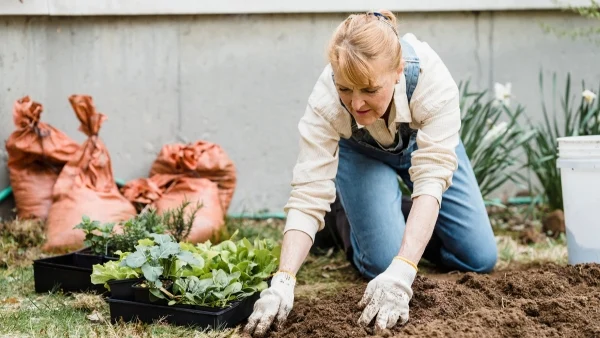
Before planting a big expanse of bulbs, such as a newly created flower bed, loosen the soil using a spading fork or small tiller. Planting your bulbs will be much easier in soil that has just been tilled. After preparing the soil, arrange the bulbs so that they are at least 4 inches apart. Plant them in tiny groupings of odd numbers for a more natural effect, or in rows for a more formal appearance. Once your bulbs are all arranged as you like, plant each bulb in the same manner you would if you were planting them separately. Use a shovel to put each bulb three times as deep as its height.
Bulbs and Perennials
Bulbs that bloom in the spring are a great way to hide the foliage of established perennials as the bulbs begin to die back after blooming. Many perennials may sprout new growth during this period, which will help cover up the ugly bulb foliage.
Are you looking to enter the real estate market this fall? Give us a call today! One of the experienced agents at Zoocasa will be more than happy to help you through the exciting home-buying process!