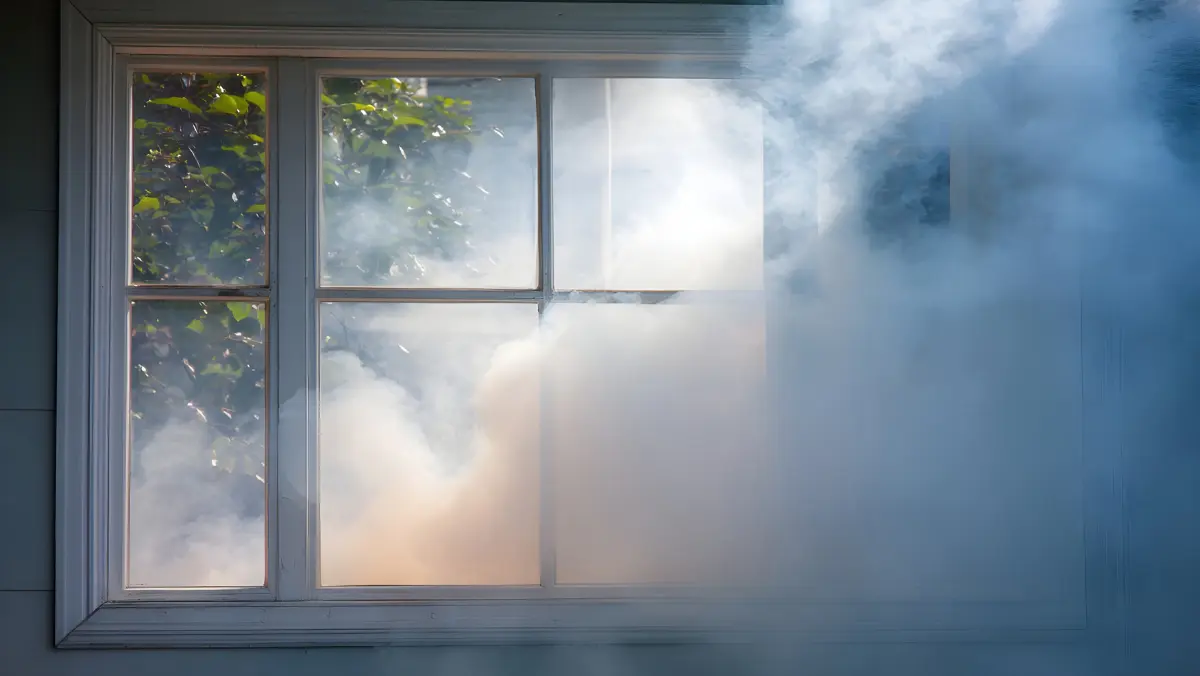
Not only is the smell of smoke in your home unpleasant, but it can also cling to furniture, carpets, walls, and even the air you breathe. Whether it’s from a fireplace, a kitchen mishap, or lingering cigarette smoke, it can feel impossible to get rid of. Luckily, with the right strategies, you can learn how to eliminate smoke from a house and bring fresh, clean air back into your space.
Here’s how to tackle smoke odors room by room, surface by surface, and even in your HVAC system.
Understand the Source
Not all smoke smells are the same. Knowing where it comes from helps you clean smarter:
- Wet Smoke: From plastics or rubber, this thick, sticky smoke can soak deep into fabrics and walls.
- Dry Smoke: From wood or paper, it spreads fast but is easier to remove.
- Protein Smoke: From cooking meat or fats. Hard to see, but leaves a strong, sulfur-like odor.
- Fuel or Oil Smoke: From furnace puff-backs. Dark and greasy, usually needs professional help.
Step 1: Air It Out

The first step in learning how to eliminate smoke from a house is clearing the air. Smoke clings to tiny particles that float around and settle on surfaces:
- Open all windows and doors to create a cross breeze.
- Use fans to push stale air outside.
- Remove ash, burnt food, and any charred debris.
- Turn off HVAC systems until filters are upgraded to avoid spreading soot.
Even simple ventilation can dramatically reduce smoke odors in a few hours.
Step 2: Filter and Purify
Airborne particles are a major source of lingering smoke smells. Air purifiers can help:
- HEPA filters trap fine soot.
- Activated carbon filters absorb odors and chemicals.
- Combination units do both for maximum effect.
Run purifiers in rooms where the smoke smell is strongest, like living rooms and bedrooms. Replace HVAC filters with MERV 11 or 12-rated filters for extra protection.
Step 3: Clean Surfaces
Smoke sticks to walls, cabinets, and furniture. Cleaning them properly is key:
- Use Trisodium Phosphate (TSP) in hot water for heavy smoke residue.
- Add a little bleach only for nicotine or strong fire odors. Ventilate the room well.
- Wash walls from the bottom up to avoid streaks.
- Rinse and dry before painting or sealing.
Natural Alternatives
Vinegar
White vinegar naturally neutralizes smoke odors. Mix equal parts vinegar and water and wipe down walls, ceilings, floors, and hard surfaces. You can also place bowls of vinegar in smoky rooms overnight. The smell fades as it dries.
Baking Soda
Baking soda absorbs smoke trapped in carpets, rugs, and furniture. Sprinkle it on surfaces, let it sit for a few hours or overnight, then vacuum well. For ongoing odor control, leave open containers in rooms or closets.
Step 4: Freshen Fabrics and Carpets
Soft surfaces trap smoke odors, but they can be revived:
- Wash curtains, linens, and towels in hot water with vinegar or baking soda.
- Use enzyme-based detergents for delicate fabrics.
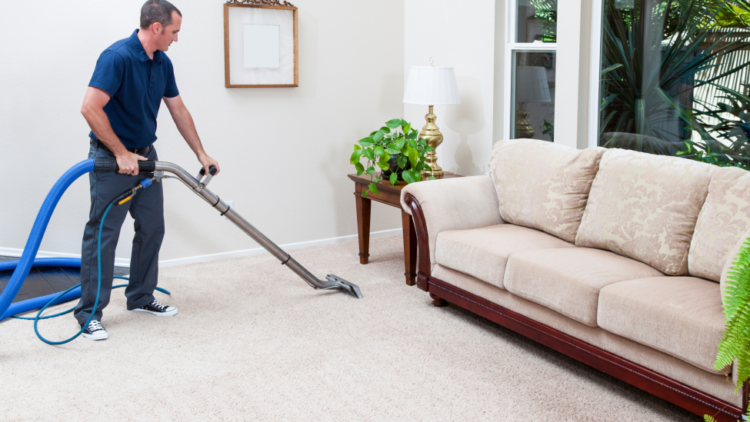
- Steam clean carpets or rugs. If the smell persists, replace the padding and treat subfloors with odor-blocking primer.
- Sunlight can also help—airing out fabrics in the sun breaks down odor molecules naturally.
Step 5: Advanced Odor Solutions
Sometimes, smoke odors linger even after cleaning walls, fabrics, and carpets. That’s when advanced technologies come in. Two of the most effective are ozone generators and hydroxyl radical machines.
Ozone Generators
Ozone breaks down smoke molecules at the source, permanently removing odors.
- Must be used in empty rooms—ozone can irritate lungs, eyes, and skin.
- Remove pets and plants before use.
- Ventilate rooms thoroughly after treatment.
- Can damage rubber, plastics, or delicate fabrics.
- Ideal for severe smoke, like post-fire or long-term cigarette smoke in unoccupied spaces.
Hydroxyl Radical Machines
These generate naturally occurring hydroxyl radicals that safely break down smoke molecules, VOCs, and bacteria.
- Safe for people, pets, and plants; can run in occupied homes.
- Neutralizes odors rather than masking them.
- Works fast on cigarette smoke, cooking smoke, and light fire damage.
- Non-damaging to fabrics, metals, and plastics.
Step 6: Don’t Forget the Ducts
Your HVAC system can actually hold onto smoke, sending it back into your home every time the fan kicks on. That lingering smell can be frustrating, even after you’ve cleaned walls and furniture. Start by checking your ducts for soot or ash, and consider having them professionally cleaned to remove debris and prevent odors from coming back.
Once the ducts are clean, an odor-neutralizing fog or sealant can help trap any remaining smoke molecules. Upgrading your filters to a higher-rated option, like MERV 11 or 12, is another simple way to catch future smoke particles and keep your air feeling fresh.
Step 7: Seal Remaining Odors
Sometimes smoke penetrates drywall or framing. That’s when sealing is necessary:
- Use odor-blocking primers like shellac-based Zinsser BIN or water-based KILZ Restoration.
- Wash surfaces first, let dry, and apply primers evenly.
- Two coats may be necessary for heavy smoke damage.
- Test a small area before painting the full surface.
Tips for Long-Lasting Freshness
Even after the smoke is gone, maintaining a fresh home takes a little effort. Open windows, use air purifiers, clean fabrics, and update HVAC filters regularly. By following these steps, you can eliminate smoke from a house and keep your living space inviting and healthy.
Ready to find a home that’s smoke-free and move-in ready? Explore listings on Zoocasa. Start your search today.