

When daylight saving time ends next week, most people will simply change their clocks and move on. But that one-hour shift has measurable effects on sleep, heart health, focus, and mood. As March 8, 2026, approaches, preparing your body and home in advance can significantly reduce the strain of the transition.
Here’s how to prepare for a smoother transition.
Why “Springing Forward” Feels So Difficult

The challenge of the March transition lies in biology. The human body operates on a circadian rhythm governed by the brain’s master clock, which responds primarily to light exposure. Because our natural rhythm averages slightly longer than 24 hours, we adapt more easily to staying up later than waking up earlier.
When clocks move forward, the body is effectively forced into a one-hour phase advance. For many individuals, this produces symptoms similar to mild jet lag, including:
- Difficulty falling asleep at the new, earlier bedtime
- Grogginess and reduced alertness in the morning
- Mood changes or irritability during the first few days
Some research suggests that certain people never fully adjust to daylight saving time before standard time returns in the fall.
Health and Safety Implications
The week following the transition is associated with measurable health changes. Studies have documented a temporary increase in cardiovascular events, including a notable spike in heart attacks on the Monday after the shift. The combination of sleep loss, increased stress hormones, and elevated blood pressure appears to create a short-term physiological strain.
Cognitive performance also declines. On average, people obtain roughly 40 minutes less sleep during the first few nights. That sleep debt contributes to slower reaction times and reduced alertness.
Although some newer research debates the precise magnitude of these risks, medical experts consistently emphasize that sleep duration and quality are critical to cardiovascular and cognitive health.
Metabolism and Mood Changes
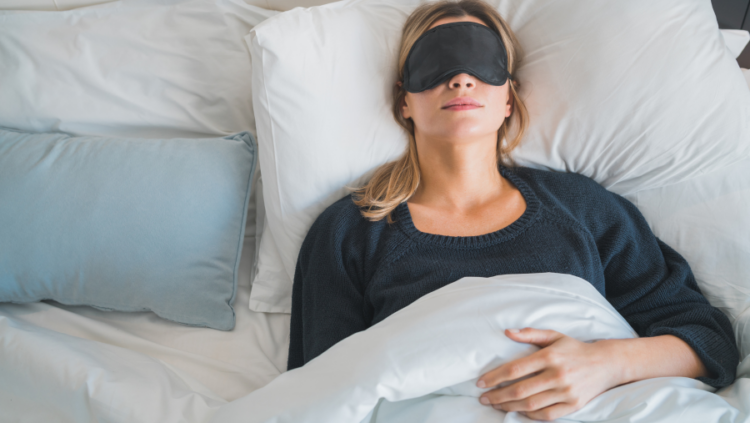
Sleep disruption affects more than energy levels. It also alters appetite-regulating hormones. Ghrelin, which stimulates hunger, tends to increase, while leptin, which signals fullness, tends to decrease. This imbalance often explains the heightened cravings for sugary or high-calorie foods during the first week after the shift.
To reduce metabolic strain, begin adjusting meal timing now. Shifting meals 10 to 15 minutes earlier each day can help align digestive rhythms with the upcoming clock change. Limiting caffeine after 2:00 p.m. and avoiding alcohol in the days surrounding the transition will also support deeper, more restorative sleep.
Supporting Children and Teenagers
Children and adolescents are particularly vulnerable to circadian disruption. Teenagers naturally experience a biological phase delay during puberty, which makes early wake times especially challenging. After the March 8 shift, many students will effectively wake up even earlier than their internal clocks.
Parents can ease the adjustment by focusing on these steps:
- Shift bedtime earlier in small increments, starting one week before the change
- Keep bedrooms dark with blackout curtains to offset longer spring evenings
- Encourage morning light exposure to reset the internal clock
These adjustments can significantly reduce fatigue and “brain fog” during the first week of school after the transition.
Helping Pets Adjust
Pets rely on consistent routines rather than clocks. When feeding times and walks suddenly shift by an hour, pets may display signs of stress.
A gradual transition works best. Begin moving feeding and walking times forward in small increments during the week leading up to March 8. Additional evening play can help pets settle into the earlier bedtime more easily, and extra morning light exposure supports their natural rhythms just as it does for humans.
Use the Time Change as a Home Reset
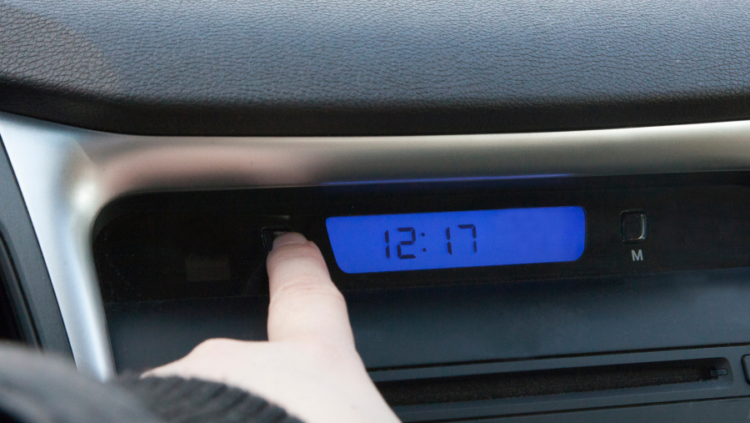
The transition weekend also serves as a reminder for household maintenance. Replacing batteries in smoke and carbon monoxide detectors remains one of the most important safety steps. Units older than ten years should be replaced entirely, as sensor accuracy degrades over time.
Early spring is also ideal for changing HVAC filters, inspecting gutters and roofing for winter damage, cleaning dryer vents, and vacuuming refrigerator coils.
Getting an early start to spring cleaning? Check out these 8 Canadian cleaning brands you’ll want under your sink.
Make the Time Change Work for You
When daylight saving time ends, don’t let the clock dictate your energy. Prepare early, protect your sleep, and use the shift as a structured seasonal reset. One hour may be small, but how you handle it makes all the difference.
Longer evenings mean more natural light and new routines. If you’re dreaming of brighter spaces, explore homes with Zoocasa and start your search today.