North Carolina’s real estate market in 2026 is in the middle of a reset. After years of record-high prices and inventory shortages, conditions are finally shifting in favor of buyers. For anyone searching for the most affordable places to buy in North Carolina, the opportunities are real, but they require looking beyond the sticker price. True affordability in this state depends on a combination of purchase price, property taxes, insurance costs, and local economic stability.
The state currently faces a housing deficit of roughly 764,000 units, with the bulk of the shortage concentrated in the Charlotte and Raleigh metros. That pressure has pushed affordability outward into smaller cities and towns that offer significantly lower costs of entry while still providing access to jobs, schools, and modern infrastructure.
Here’s where to look.
Jump Ahead
- Kinston
- Roanoke Rapids
- Rocky Mount
- Greensboro
- Winston-Salem
- High Point
- Fayetteville
- Greenville
- Hickory
Kinston
Kinston is one of the most affordable cities in North Carolina. Median home prices range from roughly $93,000 to $130,000, depending on the measure. The cost of living runs about 12% below the state average, and for a single person, estimated monthly living costs come in around $2,088, compared to $2,403 in Charlotte.
Certain pockets like the Kinston Country Club area offer a noticeably higher quality of living within a low-cost market. The Highland neighborhood offers vintage housing stock close to downtown. However, buyers should weigh two significant risk factors: roughly 23% of properties face severe flood risk, due to driven by the city’s proximity to the Neuse River. Additionally, Kinston’s overall crime rate sits at 59 per 1,000 residents, placing it above 98% of North Carolina communities.
Roanoke Rapids
About 90 minutes from Raleigh, Roanoke Rapids, and the 27870 zip code offer a similar value proposition with a median home values around $115,000. Median gross rent in the area is roughly $780, which is low in absolute terms but represents a notable share of local household income given the area’s $54,854 median household income.
Rocky Mount
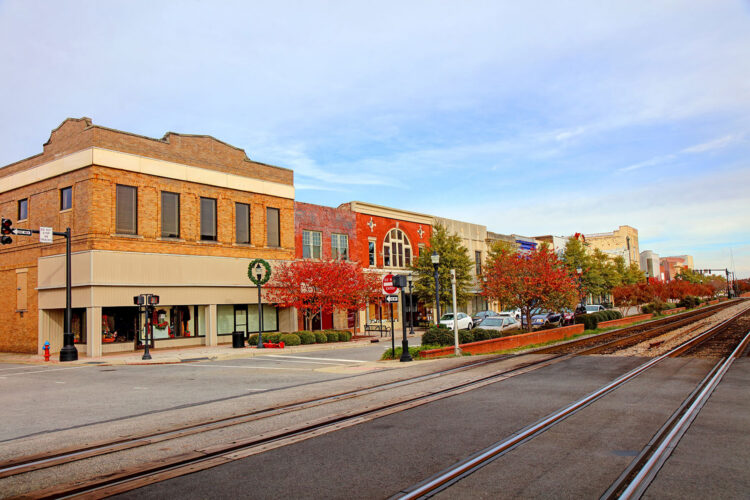
For buyers who find Kinston’s floor a bit too low but can’t stretch into the Triangle market, Rocky Mount offers a middle ground. The median home price is approximately $178,000, and the cost of living is 18% below the national average.
The city has been investing in its identity through the Rocky Mount Mills mixed-use development and the Imperial Center for the Arts and Sciences, both of which bring urban-style amenities to a market that’s still very affordable. Neighborhoods like West Haven feature Colonial Revival and Tudor Revival architecture, while Belmont Lake Preserve offers newer construction around a golf course and lake.
Greensboro
Greensboro provides big-city amenities at a competitive price. Median home values range from roughly $259,000 to $285,000, and the cost-of-living index is 96. The local economy has evolved beyond its manufacturing roots and is now driven by healthcare and education, with institutions like UNC-Greensboro and North Carolina A&T bringing a steady flow of residents.
The home price-to-income ratio here is 4.0, which is considered sustainable by national standards. For remote workers, Greensboro offers an average monthly rent of $1,330, fast internet, and what locals describe as a warm, unhurried pace.
Winston-Salem
Known as the “City of Arts and Innovation,” Winston-Salem has transformed from its tobacco heritage into a hub for healthcare and advanced manufacturing. Median home values range from roughly $244,000 to $287,000, and the cost of living is 8% below the U.S. average.
Average annual homeowners insurance runs roughly $2,111, far below coastal cities where hurricane exposure can push premiums above $7,000.
High Point
High Point rounds out the Triad at a median home price of approximately $245,000. Best known for hosting the world’s largest furniture trade show, the city offers a quieter residential feel than Greensboro, with access to the same regional job market.
Fayetteville
Fayetteville is widely considered one of the most affordable large cities in North Carolina. The median home value is about $222,000, and the cost of living sits 7% below the national average — both largely sustained by Fort Liberty, the world’s largest military installation.
The tradeoff is higher homeowners insurance than in inland Piedmont cities due to storm exposure, though the overall cost of entry and monthly carrying costs remain very competitive for a city of this size.
Greenville
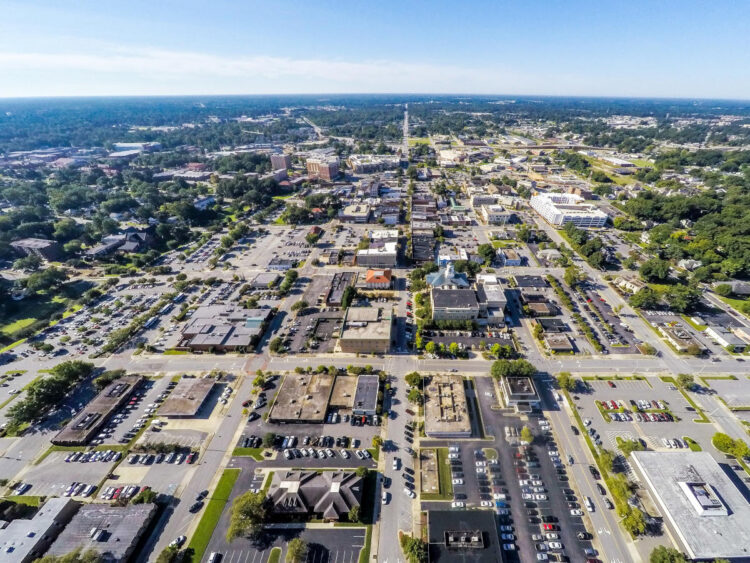
Greenville serves as eastern North Carolina’s hub for education and healthcare, anchored by East Carolina University and Vidant Health. Median home values range from $228,000 to $241,000, and the cost of living is 6% below the national average. ECU ensures constant rental demand, and the city’s college-town character supports a steady housing market.
Established neighborhoods offer traditional suburban living, while areas on the city’s edges provide more spacious, wooded lots with a semi-rural feel inside city limits.
Hickory
Hickory has emerged as a top destination for retirees and remote workers, with a cost of living 12% below the national average, and median home values sit around $289,000, which is well below Raleigh’s market. The city’s economy is evolving as well, with data centers and technology firms driving a transformation expected to continue through the end of the decade.
Where Affordability Meets Opportunity
As the market continues to stabilize, the most affordable places to buy in North Carolina are no longer just the cheapest on paper. They are the cities and towns that balance price, risk, and long-term potential. Whether it’s the low entry point of Kinston, the stability of the Triad, or the growth potential of satellite markets, buyers in 2026 have more strategic choices than they’ve had in years.
Ready to explore the most affordable places to buy in North Carolina? Start your search with Zoocasa today.